Paint Sprayer Nozzles and Spray Tips
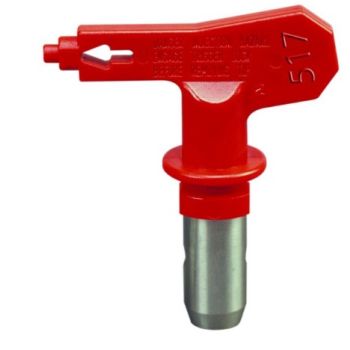
Paint sprayer nozzles and spray tips are essential for achieving precise, consistent coverage and controlling spray patterns. Using the right nozzle improves efficiency, reduces overspray, and ensures smooth, professional results on any surface.
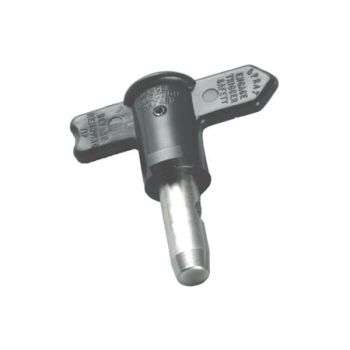
Common signs that a nozzle or spray tip needs attention include uneven paint coverage, sputtering, or clogging. Using the correct paint sprayer nozzles, along with parts like tip guard assemblies and reversible airless spray tips, ensures smooth, precise spraying and protects surfaces from overspray. These nozzles are designed for different paint types and patterns, making them ideal for tasks such as line striping, detailed finishing, or large-area coating. Routine cleaning, inspection, and timely replacement of worn tips help maintain consistent performance and extend the life of your sprayer.
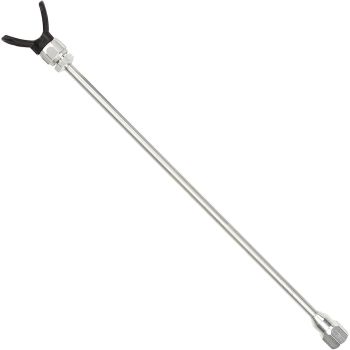
WholeToolBox offers high-quality nozzles and paint spray tips, including air caps, tip extensions, line striping tips, airless spray tips, tip filter packs, TC Pro tip guards, tip guard FFLP, tip seat & seal kits, and adjustable brass spray nozzles, compatible with top brands like Echo, Graco, Ingersoll Rand, Wagner, and Titan.
FAQs
How do I change or clean a paint sprayer tip?
Turn off and depressurize the sprayer before removing the tip. Unscrew the old one, then soak it in warm water or cleaning solution to remove dried paint. Use a soft brush to clear any residue before reinstalling or replacing it.
What is a 2.5 spray tip used for?
A 2.5 spray tip is ideal for thicker materials such as latex paints, primers, and heavy coatings. It provides a wider spray pattern and helps achieve even coverage on large surfaces like walls or fences.
What is a 1.7 spray tip used for?
A 1.7 spray tip is commonly used for medium-viscosity materials like automotive paints, lacquers, and sealers. It offers a balanced flow, making it suitable for fine finishes and smaller projects.
Can one sprayer nozzle be used for different paint types?
Some nozzles are versatile, but it’s best to use specific tip sizes for different paint viscosities. Using the wrong nozzle can cause uneven spraying, clogging, or poor finish quality.
How to choose spray tip size?
Select a tip size based on your paint type and project needs. Thicker paints require larger tip openings, while thinner coatings need smaller ones for better control and smoother application.



Validate your login