Lawn Tiller Carburetors and Rebuild Kits
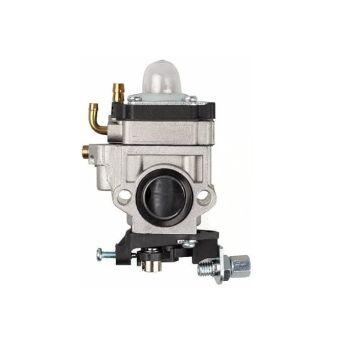
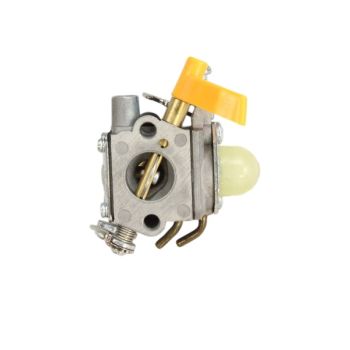
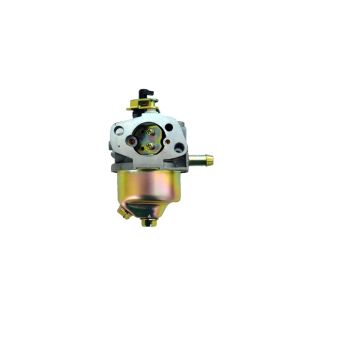
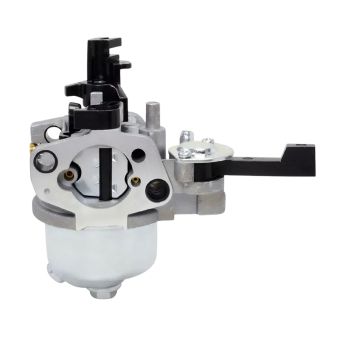
Lawn tiller carburetors are critical components that regulate the air-fuel mixture for the engine, ensuring efficient combustion and smooth operation. Properly functioning carburetors help the tiller start easily, maintain consistent power.
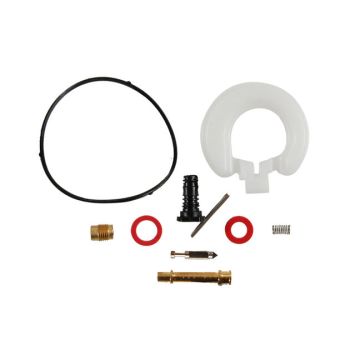
Common issues with carburetors include hard starting, engine stalling, rough idling, or poor acceleration, often caused by clogged jets or worn parts. Regular maintenance prevents the buildup of dirt or debris that can affect engine performance. Using the correct tiller carburetors and performing repairs with a tiller carburetor rebuild kit ensures precise fuel flow, restores engine performance, and prolongs the life of your tiller.
WholeToolBox offers high-quality carburetor assemblies and rebuild kits, including complete carburetors, carburetor R100 with felt wash, and rebuild kits compatible with trusted manufacturers such as Homelite, Powermate, MTD, and Toro.
FAQs
What are the common signs of a clogged or malfunctioning tiller carburetor?
Signs include difficulty starting the engine, rough idling, stalling, reduced power, or excessive fuel consumption. These issues often indicate clogged jets, dirt buildup, or a misadjusted carburetor.
How to solve the tiller carburetor problem?
Clean the carburetor thoroughly, removing dirt and debris from jets and passages. Replace worn gaskets or diaphragms, and adjust the air-fuel mixture according to the manufacturer’s instructions.
What is a common failure for a carburetor?
Common failures include clogged jets, stuck float, worn diaphragms, or gaskets. These problems lead to poor engine performance, fuel leaks, or starting difficulties.
How do I clean the carburetor on my tiller?
Turn off the engine and remove the carburetor. Disassemble it carefully, soak parts in a carburetor cleaner, and use a soft brush or compressed air to clear passages. Reassemble and reinstall, then test the engine.
How to adjust the carburetor on a Mantis tiller?
Locate the idle and mixture screws on the carburetor. Start the engine, then turn the screws slowly to achieve smooth idling and optimal engine performance.


Validate your login