Motor Assembly Replacements Parts for Pressure Washers
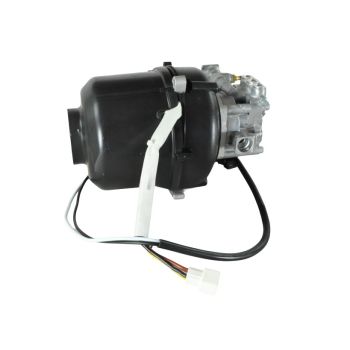
A pressure washer motor is the key component that powers the machine by converting electrical or fuel energy into mechanical motion. It drives the pump, enabling the pressure washer to generate the high-pressure water needed for effective cleaning. The motor can be electric or gas-powered and includes parts such as the rotor, stator, and housing, all working together to deliver smooth and consistent performance.
Common signs of a failing pressure washer motor include unusual noises like grinding or whining, the motor failing to start or running inconsistently, and a noticeable drop in water pressure. Overheating and a burning smell are also warning signs that the motor may be damaged. Prompt attention to these issues can help avoid further damage and costly repairs, ensuring the pressure washer remains in optimal working condition.
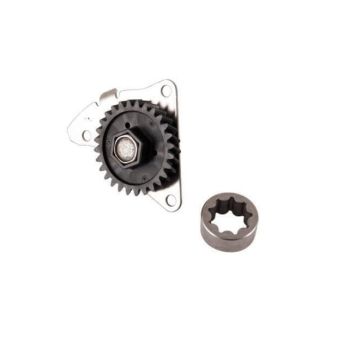
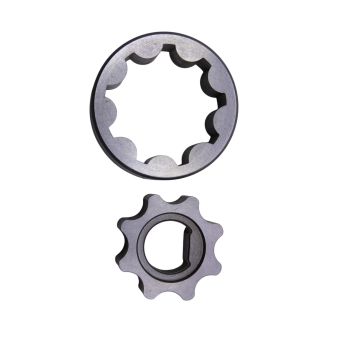
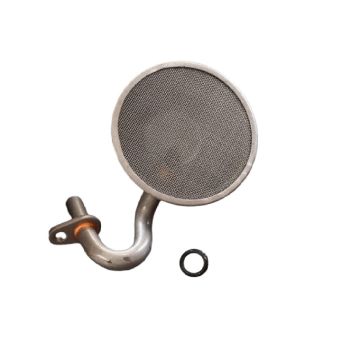
WholeToolBox, we provide premium motor assemblies, motors, and pump SAs from trusted brands like Wilton, Tradepr, and Subaru. With fast shipping and top-quality parts, you’ll get the components you need delivered quickly to keep your pressure washer performing at its best.
FAQs
How do I know if my pressure washer motor or pump needs replacing?
If you notice weak pressure, strange noises, leaks, or failure to start, replacement is likely needed.
Why is my pressure washer motor not starting?
Check power source, connections, or capacitor; replace if faulty. Inspect for motor or switch damage, too.
What causes a pressure washer pump to lose pressure?
Possible causes include worn seals, clogged nozzles, air leaks, or an underperforming motor assembly.
How do I know if my pressure washer motor is failing?
You may hear unusual noises, experience low pressure, overheating, or the motor may stop running unexpectedly.
Why won't my pressure washer motor turn on?
My motor won’t start—could be a bad switch, power issue, or internal motor fault needing attention.
What causes my pressure washer to lose pressure suddenly?
It starts strong, then drops—possible air leak, clogged nozzle, or weak motor failing to maintain flow.






Validate your login