Lawn Tiller Forward and Reverse Clutch Cables
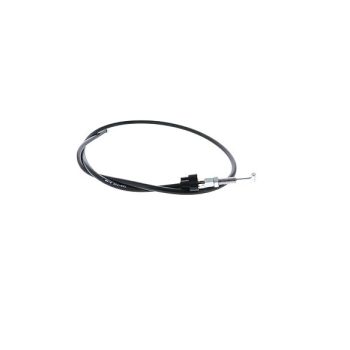
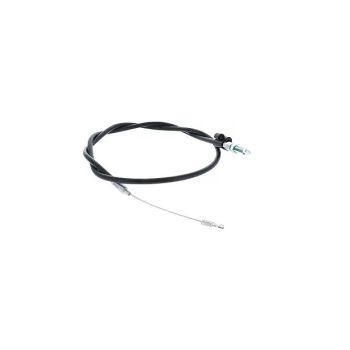
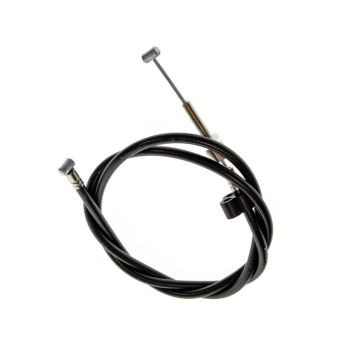
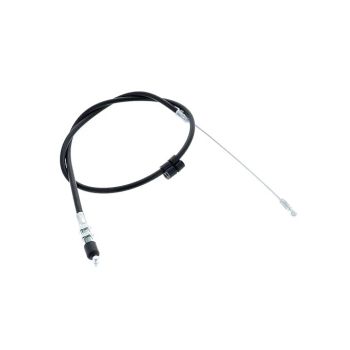
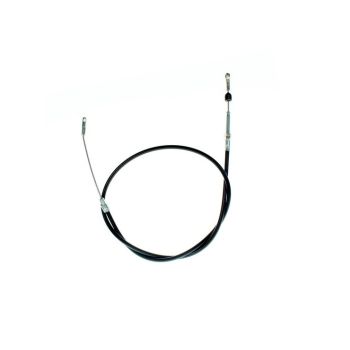
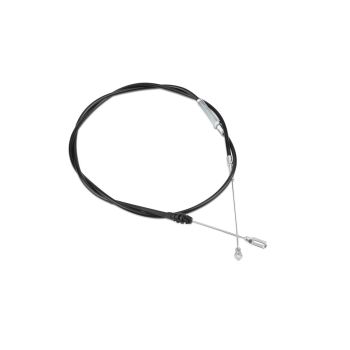
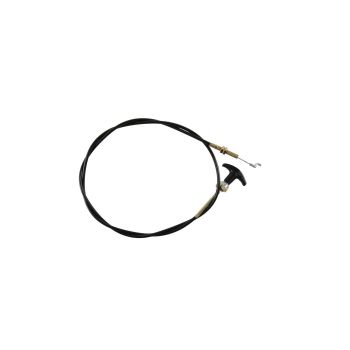
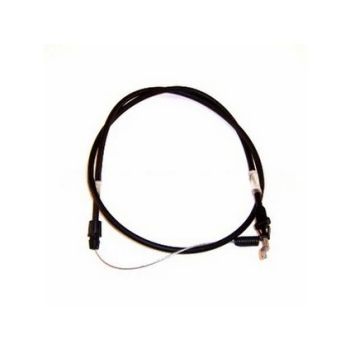
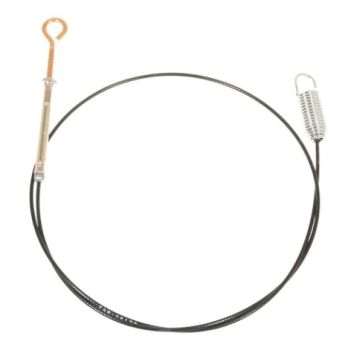
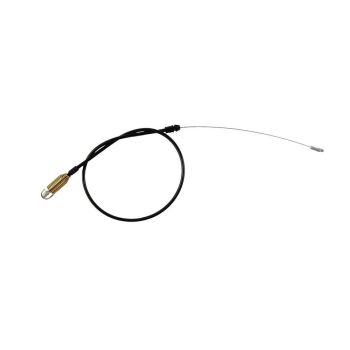
Lawn tiller clutch cables are essential for smooth and responsive operation, allowing the operator to engage and disengage the tiller’s drive and rear tines efficiently. Proper functioning of cables ensures precise control over forward and reverse motion, making it easier to maneuver the tiller while maintaining consistent performance.
Common issues with clutch cables include difficulty engaging gears, delayed response, or uneven tine operation. Using the correct tiller reverse clutch cable along with forward and main clutch cables ensures smooth engagement, reliable performance, and better control of the tiller. Timely inspection and replacement of worn cables improve safety and prevent damage to the transmission system.
WholeToolBox provides high-quality lawn tiller clutch components, including clutch cables, wheel clutch cables, reverse clutch cables, forward clutch cables, and main clutch cables. These parts are compatible with trusted manufacturers such as Snapper, Cub Cadet, and Bolens.
FAQs
What is the function of the clutch cable on a tiller?
The clutch cable connects the operator’s control lever to the clutch mechanism, allowing the tines or wheels to engage or disengage. It controls the power transmission from the engine to the working parts of the tiller.
How to tell if a tiller clutch is bad?
Signs of a bad clutch include slipping (tines or wheels not engaging), grinding noises, difficulty in engaging or disengaging, or uneven power delivery. Inspect the clutch components and replace worn or damaged parts.
How do you adjust the cable on a tiller?
Loosen the adjustment nuts on the cable, then move the control lever or clutch arm until proper tension is achieved. Tighten the nuts and test the engagement to ensure smooth operation.
Why is my tiller clutch cable not disengaging properly?
This can be caused by a stretched, frayed, or misaligned cable, or a damaged clutch mechanism. Inspect the cable for wear, adjust the tension, or replace it if necessary.
How do you adjust a tiller?
Adjustments include setting the throttle, clutch, and gear linkages according to the manufacturer’s manual. Proper adjustment ensures smooth operation, correct tine depth, and efficient soil tilling.



Validate your login