Lawn Tiller Gearboxes and WormGear Sets
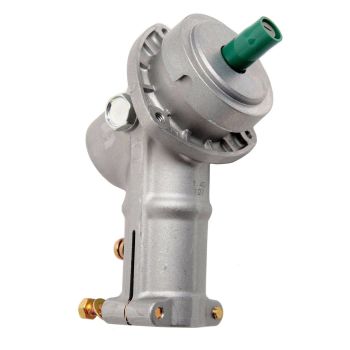
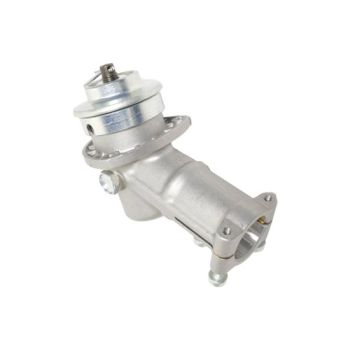
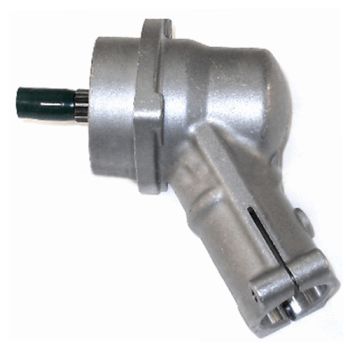
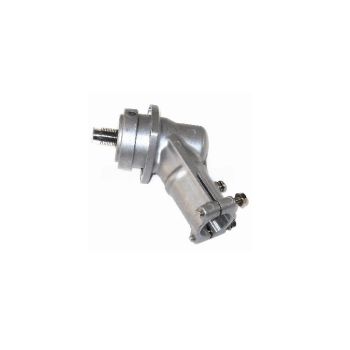
Lawn tiller gearboxes are essential for transferring power from the engine to the tines and wheels, regulating speed, torque, and overall performance. A well-maintained gearbox ensures smooth operation, efficient soil cultivation, and reduced wear on other mechanical components.
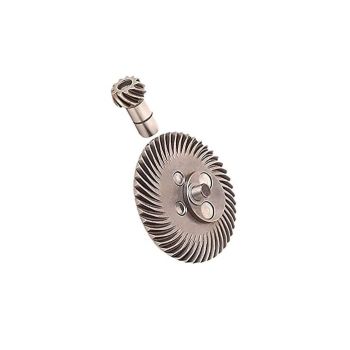
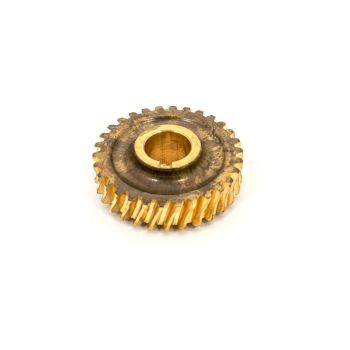
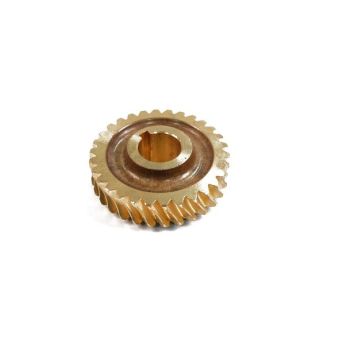
Common issues in tiller gearboxes include slipping under load, uneven tine rotation, or grinding sounds. Installing the correct tiller gearbox and using a tiller right worm gear set ensures reliable power transfer, precise speed control, and consistent performance. Regular inspection and maintenance help detect worn gears, unusual noises, or difficulty shifting, which can affect tilling efficiency and safety. Proper lubrication and timely replacement of worn components prevent damage to the gearbox and improve the tiller's lifespan.
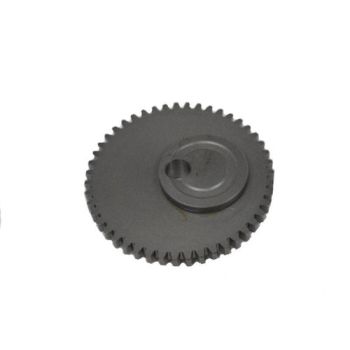
WholeToolBox offers high-quality gearbox components, including worm gear 61T, LH worm gear 30T, gearbox assembly cult, gearbox assembly, and worm & worm gear service assembly. These parts are compatible with trusted manufacturers such as MTD, Ariens Company, and Greenworks.
FAQs
How do I adjust the gears in my tiller for optimal performance?
Check your tiller’s gear settings according to the user manual. Adjust the gear lever or transmission linkages so that the tines rotate at the correct speed and the machine moves smoothly without strain. Proper gear selection improves efficiency and reduces wear.
Do tillers have transmissions?
Yes, most tillers have a transmission that controls the speed and direction of the tines or wheels. Some models have simple single-speed transmissions, while others feature multiple gears for better versatility.
Are tillers self-propelled?
Many modern tillers are self-propelled, using a drive system connected to the wheels or tines. This makes maneuvering easier, especially in larger gardens or heavier soil, while some lightweight models may still require manual pushing.
How do I replace the gearbox on my tiller?
Turn off the engine and disconnect the spark plug. Remove any belts, chains, or linkages connected to the gearbox. Unbolt the old gearbox, install the new one, reconnect all components, and test for proper operation.
What would cause a tiller not to start?
Common causes include a dirty or clogged carburetor, faulty spark plug, empty fuel tank, or engine flooding. Inspect each component, clean or replace parts as needed, and ensure the fuel system is functioning properly.



Validate your login