Drive System & Friction Replacements for Snow Blowers
Body: Drive systems & friction parts for snow blowers transfer power from the engine to the wheels and auger, enabling movement and snow clearing. Key components include clutch parts, friction wheels, belts, and pulleys. These elements work together to ensure smooth operation, controlled speed, and efficient performance, maintaining reliable handling and precise maneuverability across various snow conditions.
Signs of drive system or friction part failure include slipping wheels, uneven movement, unusual grinding noises, difficulty engaging the clutch, and excessive belt wear. Friction wheels may show visible damage or reduced traction. Clutch parts can become unresponsive, making the snowblower hard to control. Reduced snowblower speed or loss of power indicates worn drive components.
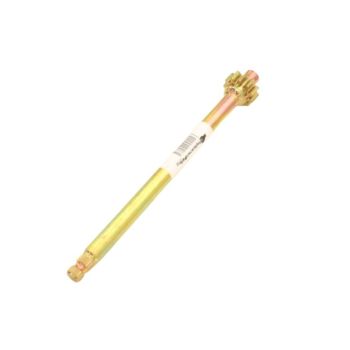
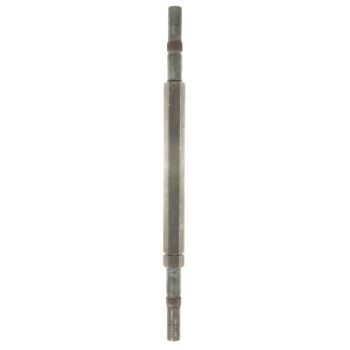
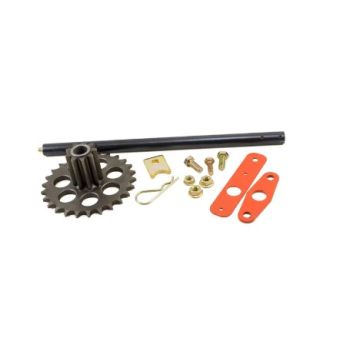
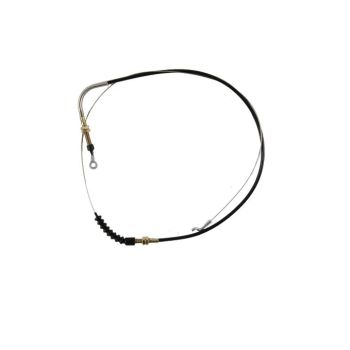
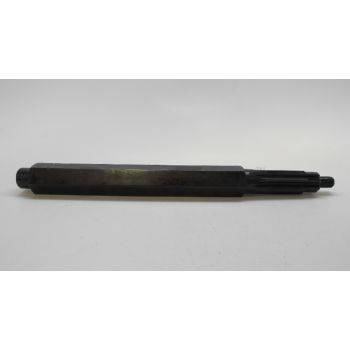
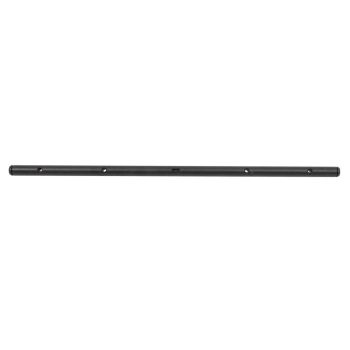
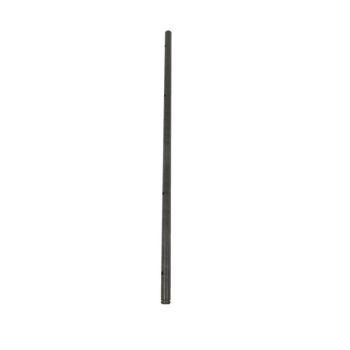
Explore WholeToolbox for a comprehensive range of snowblower equipment like support frames, shaft & sprocket assemblies, wheel sprockets & hubs, and hex shafts available in stock and ready to ship. We sell trusted parts, including wheel drivers, shafts, auger axles, friction discs & more.
FAQs
What are the key clutch parts for a snowblower, and how do I know when to replace them?
Clutch parts include discs, springs, and sheaves; replace when slipping, grinding, or the snowblower drive shaft shows wear.
How do friction wheels affect snowblower drive performance?
Friction wheels transfer power to wheels; worn surfaces reduce traction, causing slipping and stressing the snowblower drive shaft.
Why does my snowblower drive feel weak or slow?
A weak drive often indicates worn belts, friction wheels, clutch parts, or a failing snow blower drive shaft needing replacement.
What does a friction wheel do on a snowblower?
A friction wheel transfers engine power to wheels, ensuring smooth movement and controlled snow-clearing performance.
How do I know if my clutch parts are failing?
Slipping, grinding noises, or unresponsive controls indicate worn clutch parts affecting snowblower operation.
Why is my snowblower moving slower than usual?
Reduced speed often signals worn drive system parts, friction wheels, or belts needing inspection.


Validate your login