Pressure Washer Unloader Valve Replacement Parts
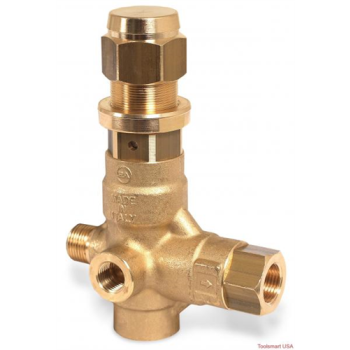
Pressure washer unloader valves regulate water pressure within the system, ensuring safe and efficient operation. These valves control the flow of water by diverting excess pressure away from the pump when the trigger is released.
The primary function of unloader valves is to maintain consistent pressure and protect the pump by redirecting water flow when the spray gun is closed. Key components include the valve body, springs, and seals, which work together to regulate pressure accurately. Common signs of unloader valve issues include fluctuating pressure, water leaks, or the pump running continuously without stopping. Proper maintenance involves inspecting the valve for wear, cleaning internal parts to remove debris, and replacing seals or springs as needed to keep the valve operating smoothly.
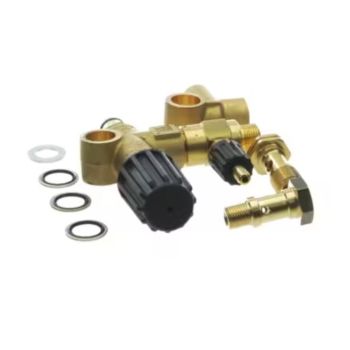
WholeToolBox offers a broad selection of pressure washer unloader valves and kits, including complete unloaders, unloader kits, check/valve kits, pump unloader kits, and unloader assemblies from trusted brands such as Dewalt and Briggs & Stratton.
FAQs
How do I adjust a pressure washer unloader valve?
Turn the adjustment screw clockwise to increase pressure or counterclockwise to decrease it, while monitoring the pressure gauge.
What causes unloader valves to fail?
Wear and tear, debris, corrosion, or improper maintenance are common causes.
Is it normal for the unloader valve to make noise?
Some noise is normal during pressure release, but loud or unusual sounds may indicate a problem.
What is the purpose of a pressure washer unloader valve?
It regulates and redirects water flow to prevent damage by relieving excess pressure when the trigger is released.
How do I know if my pressure washer unloader valve is bad?
Signs include fluctuating pressure, water leaks, or the washer not shutting off pressure properly.
Can an unloader valve cause low pressure?
Yes, if it’s malfunctioning or improperly adjusted, it can cause low or inconsistent pressure.



Validate your login