Lawn Tiller Throttle and Trigger Cables
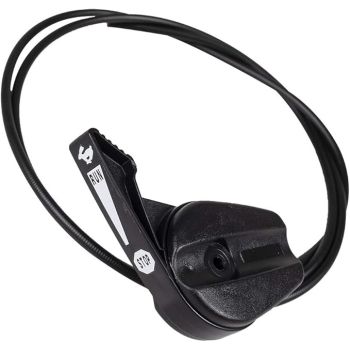
Lawn tiller throttle cables are crucial for controlling engine speed and ensuring smooth operation of the tiller. Properly functioning tiller throttle cables allow precise adjustments to the throttle, making it easier to manage tilling depth, speed, and maneuverability.
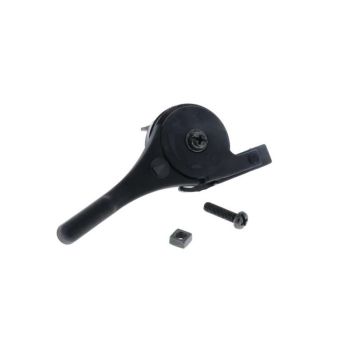
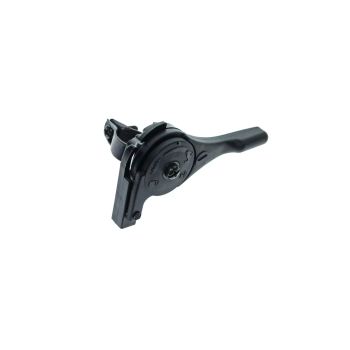
Common issues with throttle cables include sluggish response, difficulty adjusting engine speed, or cable fraying. Using the correct tiller lever throttle assembly along with high-quality throttle and trigger cables ensures consistent engine control, smooth operation, and reliable performance. Timely replacement of worn cables prevents strain on the operator and avoids engine performance issues.
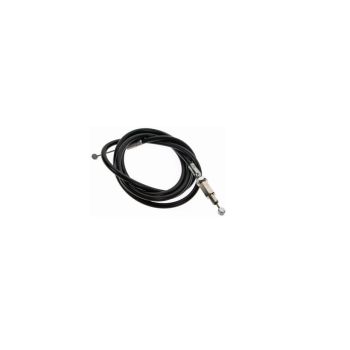
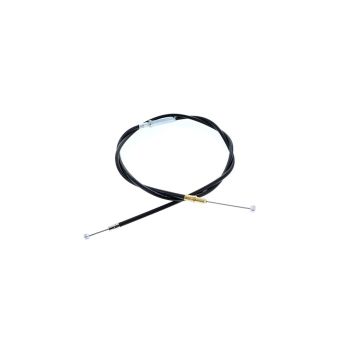
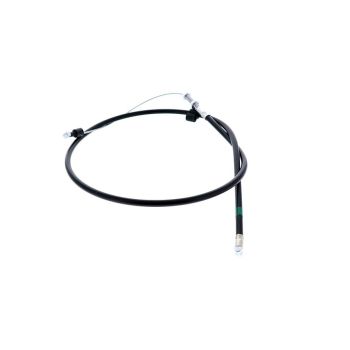
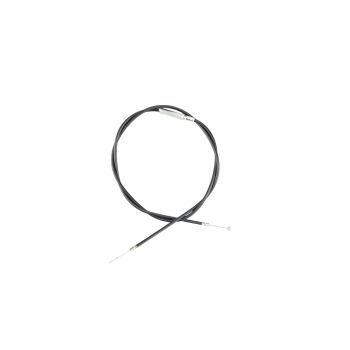
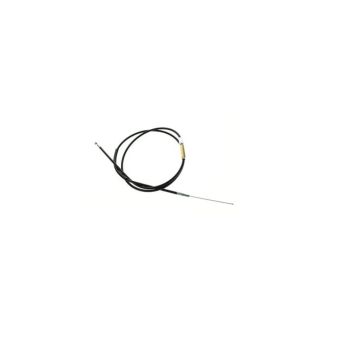
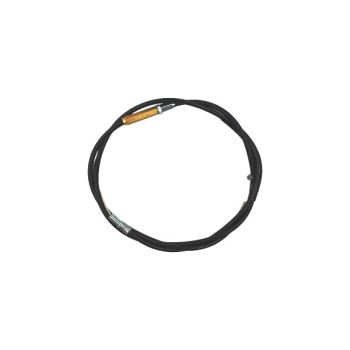
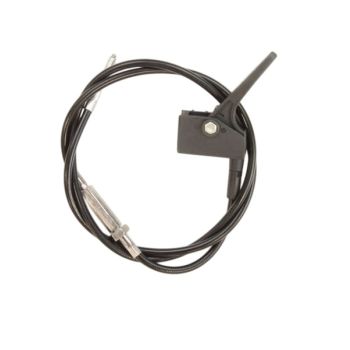
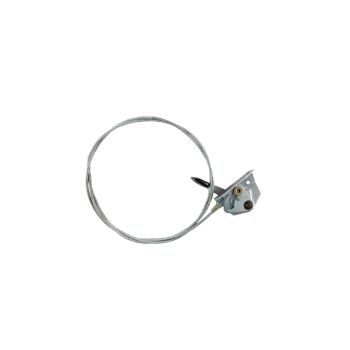
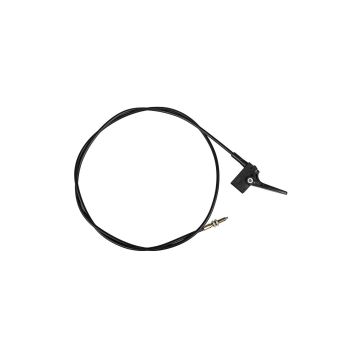
WholeToolBox provides a wide range of lawn tiller throttle components, including 55" throttle cables. These parts are compatible with trusted manufacturers such as Honda, Powermate, MTD, and Cub Cadet.
FAQs
How can I tell if my tiller throttle cable is damaged or broken?
Signs of a damaged throttle cable include frayed wires, kinks, stiffness, or complete loss of throttle control. If the engine doesn’t respond when you move the throttle lever, the cable may need repair or replacement.
How do I know what size throttle cable I need?
Check your tiller’s owner manual or measure the existing cable. Important dimensions include the outer casing diameter, inner wire diameter, and overall length to ensure proper fit and smooth operation.
What are the symptoms of a bad throttle cable?
Symptoms include the engine not accelerating properly, sudden loss of speed, difficulty moving the throttle lever, or the lever snapping back without controlling engine speed.
How do I troubleshoot a throttle cable that isn’t responding properly?
Inspect the cable for kinks, fraying, or disconnections. Lubricate the cable if it’s stiff, ensure both ends are properly attached, and replace it if there is visible damage or loss of tension.
How can you tell the difference between a 4mm and 6mm cable?
Measure the outer diameter of the cable’s casing and the inner wire. A 4mm cable is thinner and more flexible, while a 6mm cable is thicker and stronger, designed for heavier-duty applications.

Validate your login