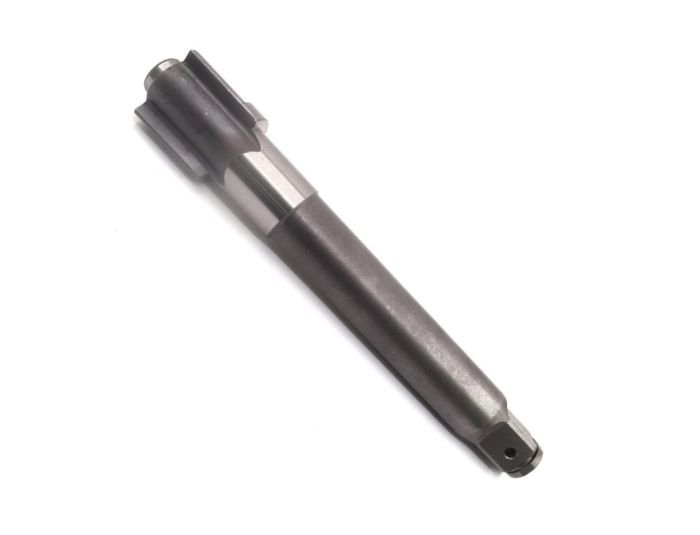
The Ingersoll Rand 285B-A726 Anvil Assembly series impact tools plays a critical role in transferring hammer energy to the socket. Wear or damage in this assembly can quickly reduce fastening efficiency and tool reliability in demanding shop environments.
Common Symptoms This Part Helps Address:
- Loss of torque output during tightening or loosening operations.
- Socket retention failure or loose fit on the drive end.
•Excessive vibration or irregular tool “kickback”.
- Visible wear, chipping, or rounding on the drive square.
- Intermittent hammer engagement under load.
Weak Torque Delivery Under Load.
Quick Check: Test tool performance on a known tight fastener and observe power drop.
Fix Suggestion: Replace the anvil assembly if internal wear prevents proper hammer energy transfer.
Prevention Tip: Avoid prolonged use under continuous overload conditions that stress the drive components.
Socket Not Seating Firmly on Drive.
Quick Check: Inspect the anvil drive square for rounding or uneven edges.
Fix Suggestion: Install a new anvil assembly if socket play is visible or locking is inconsistent.
Prevention Tip: Always use correctly rated 1/2" or 3/4" sockets (depending on tool configuration) to reduce wear.
Excessive Tool Vibration or Jerking.
Quick Check: Run the tool briefly and check for abnormal shaking at the nose housing.
Fix Suggestion: Replace the assembly if shaft alignment or internal bearing surfaces are worn.
Prevention Tip: Regular internal lubrication helps maintain smooth anvil rotation and reduces vibration buildup.
Intermittent Impact or Hammer Engagement Failure.
Quick Check: Observe whether the tool cycles inconsistently under load.
Fix Suggestion: Inspect and replace the anvil assembly if engagement surfaces show scoring or fatigue.
Prevention Tip: Avoid running the tool at partial throttle under heavy load, which can disrupt hammer timing.
Customer Experience: Users working with the 285B-A726 Anvil Assembly often report noticeably smoother torque delivery after replacement, especially in high-cycle automotive and industrial repair settings. Many technicians mention that restoring a worn assembly eliminates inconsistent hammering and brings the tool back to “factory-feel” performance during heavy fastening jobs.


Validate your login