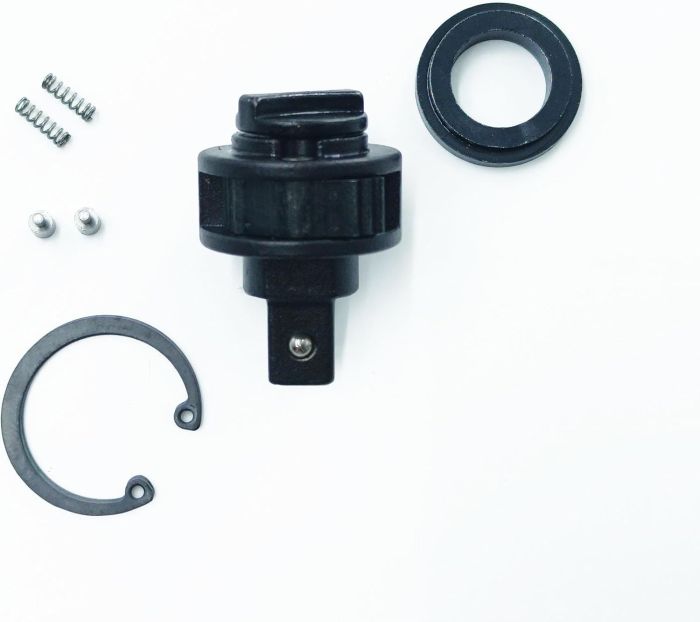
The Milwaukee 42-06-2557 Anvil Assembly is a precision-engineered internal drive component used in compatible Milwaukee impact wrench models. Designed to transfer rotational force from the hammer mechanism to the socket, this anvil plays a critical role in torque delivery, socket retention, and overall tool performance.
Common Symptoms This Part Helps Address:
- Reduced torque output during fastening tasks.
- Socket slipping or not locking properly.
- Visible wear or rounding on drive surfaces.
- Excessive vibration while operating the tool.
- Intermittent hammer engagement or inconsistent impacts.
Worn or Rounded Anvil Drive Faces.
Quick Check: Inspect the drive end of the anvil for visible rounding, flattening, or uneven edges.
Fix Suggestion: Replace the anvil assembly if the drive faces no longer hold sockets firmly or show deformation.
Prevention Tip: Avoid using worn or incompatible sockets that accelerate edge wear.
Socket Not Locking or Frequently Detaching.
Quick Check: Test socket retention by attaching and lightly pulling without engaging the tool.
Fix Suggestion: Check the internal locking mechanism of the anvil assembly and replace if spring tension or detent wear is detected.
Prevention Tip: Regularly clean the anvil area to prevent debris buildup affecting socket engagement.
Loss of Impact Power or Weak Torque Delivery.
Quick Check: Compare current torque output against normal operating performance.
Fix Suggestion: Inspect the anvil for internal fatigue or misalignment and replace if torque transfer is inconsistent.
Prevention Tip: Avoid prolonged use under overload conditions that strain internal drive components.
Excessive Tool Vibration During Operation.
Quick Check: Run the tool without load and observe abnormal shaking or noise.
Fix Suggestion: Replace the anvil assembly if imbalance or internal wear is detected.
Prevention Tip: Ensure proper lubrication and periodic internal maintenance of the impact mechanism.
Customer Experience: Many users report that replacing a worn anvil assembly restores their impact wrench’s original “tight bite” and noticeably improves socket stability. Some mention that performance feels like a new tool again after installation, especially during heavy-duty fastening jobs.



Validate your login