How Hammers and Anvils Transform Torque into Precision in Power Tools
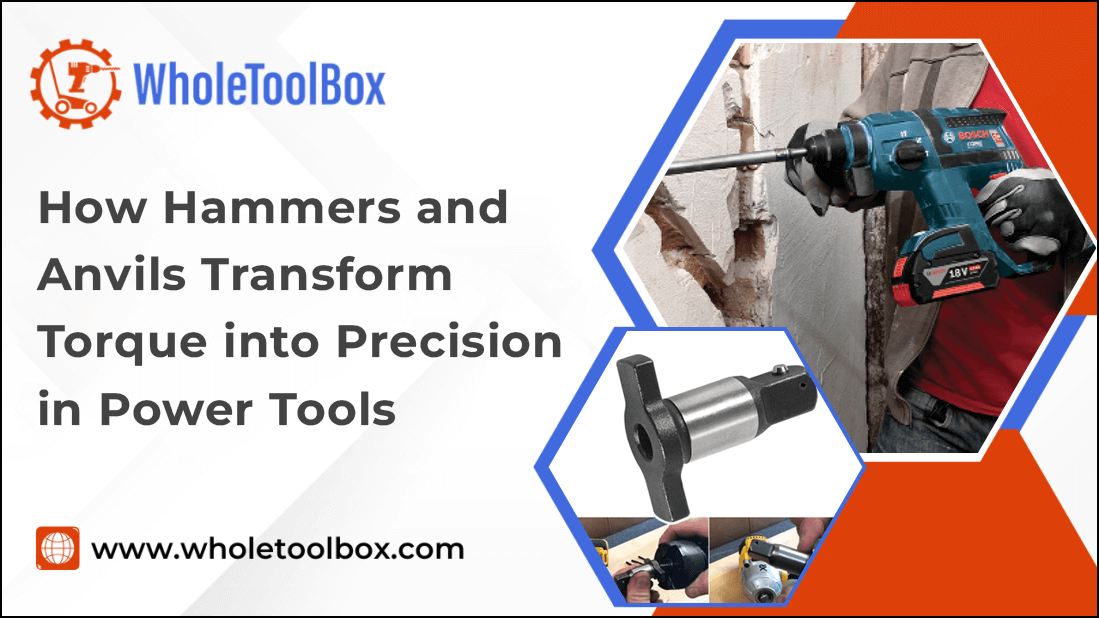
Power tools rely on a sophisticated mechanism where hammers and anvils work together to convert torque into precise, impactful force. This interaction is crucial for tools like impact drivers and wrenches, which require both strength and accuracy to perform effectively. The hammer rapidly strikes the anvil, transforming rotational energy into controlled bursts of power that help tighten or loosen fasteners without slipping or damaging surfaces. This method not only maximizes the tool’s efficiency but also extends its lifespan by reducing strain on components. By harnessing this dynamic, engineers have created power tools that deliver consistent, steady performance in demanding environments, making them indispensable in industries ranging from construction to automotive repair.
Understanding The Crucial Role of Hammers and Anvils in Power Tools
Hammers and anvils are essential components in many power tools, especially impact drivers and wrenches, where they work together to convert torque into controlled, precise force. Their interaction allows these tools to deliver high-impact energy while maintaining accuracy and durability.
Here’s how they function and why they matter:
-
Torque Conversion: The hammer stores rotational energy and releases it by striking the anvil, which transfers this energy to the fastener, generating a powerful, controlled torque.
-
Impact Delivery: This striking action provides bursts of impact force that help loosen or tighten bolts more effectively than continuous rotational force alone.
-
Durability: Both components are made from hardened materials to withstand repeated high-impact stress, ensuring the tool’s long-lasting performance.
-
Precision Control: The hammer-anvil mechanism allows the tool to apply torque in measured increments, reducing the risk of over-tightening or stripping fasteners.
-
Efficiency: By converting torque into impactful bursts, power tools achieve faster work speeds and better control in demanding applications.
Understanding the hammer and anvil’s role helps users appreciate how power tools combine force and precision, making them indispensable in construction, automotive, and mechanical industries.
Explore this article on revolutionizing power tools: the role of technology and innovation, how smart technology, AI, and modern engineering are reshaping the future of power tools.
Types of Hammer and Anvil Systems in Power Tools
Different power tools use variations of the hammer and anvil mechanism, each optimized for specific tasks. Understanding these variations helps appreciate their specialized roles and benefits.
Impact Drivers and Wrenches
-
Function: Deliver powerful, rapid, concussive torque to drive or remove screws and bolts efficiently, especially in automotive and construction applications.
-
Hammer Type: Rotational hammer that intermittently engages the anvil, creating high-frequency impacts to multiply torque output.
-
Anvil Function: Transfers impact force directly to the output shaft, allowing bursts of torque without damaging fasteners or stripping heads.
-
Benefit: Provides precise torque control, prevents over-tightening, and improves fastening speed, reducing operator fatigue during repetitive tasks.
Examples: DeWalt DCF887 impact driver, Milwaukee M18 fuel impact wrench, Makita XDT16 Impact Driver.
Rotary Hammers and Hammer Drills
-
Function: Combines rotary drilling with hammering action to penetrate hard materials like concrete, brick, and stone effectively.
-
Hammer Type: Pneumatic or mechanical piston moving in a linear, back-and-forth motion, creating powerful hammer blows synchronized with rotary motion.
-
Anvil Role: Serves as a stationary surface that the piston strikes, converting energy into rapid impacts that fracture tough materials.
-
Benefit: Enables efficient drilling with minimal bit wear, better dust management, and reduced operator effort in heavy-duty construction and renovation.
Examples: Bosch RH328VC rotary hammer, Hilti TE 7-C hammer drill, Makita HR2475 rotary hammer.
Nailers and Staplers
-
Function: Drives nails or staples quickly and accurately into wood, upholstery, or light construction materials.
-
Hammer Type: Spring-loaded or air-powered hammer that delivers a single, forceful strike per actuation.
-
Anvil Role: Acts as a solid backing surface to ensure consistent, reliable energy transfer, preventing misfires or incomplete fastening.
-
Benefit: Enhances productivity by speeding up fastening tasks, reduces strain on the user, and ensures high-quality results in framing, cabinetry, and upholstery work.
How Hammer and Anvil Mechanisms Enhance Power Tool Performance
The hammer and anvil mechanism plays a vital role in boosting the efficiency and effectiveness of power tools by converting rotational energy into impactful bursts of force. This unique design improves the tool’s ability to handle tough fastening jobs with precision and ease.
Key performance enhancements:
-
Energy Storage and Release: The hammer stores kinetic energy during rotation and releases it suddenly by striking the anvil, producing powerful impacts that drive fasteners with greater force than continuous rotation alone.
-
Minimized Backlash: By controlling the striking action, the mechanism reduces tool recoil and vibration, resulting in better control and increased user comfort during prolonged use.
-
Optimized Torque Delivery: The hammer and anvil deliver impacts in quick, controlled intervals, ensuring consistent torque application while preventing slippage or damage to fasteners.
-
Extended Tool Life: The shock-absorbing nature of the mechanism helps protect internal components from excessive wear and tear, enhancing the tool’s durability over time.
-
Improved Worksite Safety: Reduced vibration and smoother operation decrease operator fatigue and lower the risk of repetitive strain injuries, promoting safer work environments.
-
Enhanced Adaptability: This mechanism enables power tools to perform effectively in tight or awkward spaces where constant high torque would be difficult to manage.
This perfect blend of power, precision, and durability makes hammer and anvil mechanisms essential components in high-performance power tools across various industries.
Common Applications of Hammers and Anvils in Power Tools
The hammer and anvil mechanism is a fundamental feature in many power tools, providing the force and precision needed to tackle a wide variety of fastening and loosening tasks. Its ability to deliver impactful bursts of torque makes it indispensable across numerous industries and applications.
Typical uses:
-
Automotive Repairs: Impact wrenches equipped with hammer and anvil systems efficiently loosen and tighten lug nuts, bolts, and engine components, speeding up vehicle maintenance and repairs.
-
Home Improvement Projects: Impact drivers make DIY tasks easier by allowing quick and secure fastening of screws in wood, drywall, and other materials.
-
Metal Fabrication: These tools provide consistent, precise torque to assemble metal parts accurately without damaging delicate threads or materials.
-
Electrical Installations: Power tools with hammer and anvil mechanisms help electricians securely fasten conduit, junction boxes, and fixtures with controlled torque, ensuring safety and reliability.
-
Heavy Machinery Maintenance: Large industrial equipment requires powerful torque for maintenance, which hammer and anvil impact tools deliver to handle oversized bolts and components.
-
Furniture Assembly: In manufacturing and DIY, these tools speed up the assembly process by fastening screws and bolts quickly, improving production efficiency and product quality.
The versatility of hammer and anvil systems allows them to adapt to various fastener sizes and materials, making them essential in both professional and home settings.
How to Choose the Right Hammer and Anvil Power Tool for Your Project
Selecting the appropriate hammer and anvil power tool ensures efficiency, safety, and quality results. Consider the following factors to make the best choice for your specific needs:
Identify the Task Requirements:
-
Determine whether you need a tool for driving fasteners, drilling masonry, or fastening nails and staples.
-
Consider the materials you’ll be working with wood, metal, concrete, or drywall.
Consider Torque and Power Needs:
-
For heavy-duty tasks like automotive repair or construction, choose tools with higher torque output and durable hammer and anvil mechanisms.
-
For lighter or precision tasks, tools with moderate torque and finer impact control work better.
Evaluate Tool Type and Mechanism:
-
Impact drivers and wrenches are ideal for fastener-heavy projects.
-
Rotary hammers suit drilling in tough materials.
-
Nailers and staplers are best for framing, cabinetry, or upholstery.
Power Source:
-
Cordless tools offer portability and convenience, but check battery life and power.
-
Corded or pneumatic tools provide consistent power for prolonged use.
Ergonomics and Comfort:
-
Look for lightweight, balanced designs with vibration reduction to reduce user fatigue.
-
Comfortable grips and easy trigger controls improve handling during extended tasks.
Budget and Brand Reliability:
-
Choose tools from reputable manufacturers known for quality hammer and anvil mechanisms.
-
Balance cost with features and warranty for long-term value.
By carefully assessing these factors, you can select a hammer and anvil power tool that matches your project needs, maximizing performance and efficiency.
Read the article how to choose the right power tools for your home improvement projects to find practical tips on selecting tools based on project needs, performance, safety, and ease of use.
Materials and Design Innovations in Hammer and Anvil Components
Advancements in materials and design have significantly improved the performance, durability, and efficiency of hammer and anvil components in power tools. These innovations help power tools withstand intense stress while delivering precise torque and impact.
Key materials and design innovations:
Hardened Steel Alloys
-
Increased Wear Resistance: Use of specially heat-treated steel increases resistance to wear, fatigue, and deformation.
-
Enhanced Durability: These alloys extend component longevity even under repeated high-impact loads.
Surface Treatments and Coatings
-
Friction Reduction: Advanced coatings like titanium nitride or chromium plating reduce friction between moving parts.
-
Corrosion Protection: These coatings also prevent rust and corrosion, improving component lifespan and maintaining smooth operation.
Lightweight Composite Materials
-
Weight Reduction: High-strength composites used in housing or non-load areas reduce overall tool weight without compromising durability.
-
Improved Ergonomics: This results in better handling and less user fatigue during extended use.
Precision Machining and Tolerances
-
Exact Component Fit: Modern CNC machining ensures precise fits between hammer and anvil parts.
-
Optimized Energy Transfer: Tight tolerances reduce backlash, resulting in smoother, more consistent impacts.
Modular and Replaceable Components
-
Ease of Maintenance: Modular designs allow quick replacement of worn hammer or anvil parts.
-
Cost-Effective Repairs: This reduces downtime and maintenance expenses by enabling faster repairs in the field.
Innovative Impact Mechanisms
-
Advanced Hammer Designs: Systems like twin-hammer or cam-over improve energy transfer efficiency.
-
Performance Enhancement: These designs deliver higher torque outputs while minimizing component wear.
These materials and design advancements contribute to the continued evolution of hammer and anvil systems, ensuring power tools remain powerful, reliable, and user-friendly in demanding environments.
Final Thoughts
The hammer and anvil mechanism serves as the core of many power tools, skillfully converting raw torque into precise, controlled impacts that enhance performance and reliability. By combining innovative materials, thoughtful design, and engineering precision, this system ensures power tools deliver consistent power while protecting internal components and reducing user fatigue. Understanding and appreciating this vital mechanism empowers users to select, maintain, and utilize their tools more effectively, ultimately leading to better results and greater efficiency on every project.
Looking for top-quality power tools with advanced hammer and anvil systems? WholeToolBox offers everything from impact drivers and rotary hammers to nailers, from leading brands like DeWalt, Makita, and Milwaukee. Shop now to power your projects with precision and efficiency!
FAQs
How does the hammer and anvil system improve tool performance?
By storing and releasing energy rapidly, this system enhances torque delivery, reduces tool recoil, minimizes fastener stripping, and increases efficiency during tough fastening or drilling tasks.
Which power tools commonly use hammer and anvil mechanisms?
Impact drivers, impact wrenches, rotary hammers, hammer drills, and pneumatic nailers often utilize hammer and anvil systems for improved torque and impact control.
What materials are used in hammer and anvil components for durability?
Hardened steel alloys and advanced surface coatings like titanium nitride are commonly used to increase wear resistance, reduce friction, and extend component life.
Can hammer and anvil power tools reduce user fatigue?
Yes, their design reduces vibration and tool recoil, making the operation smoother and more comfortable during extended use.