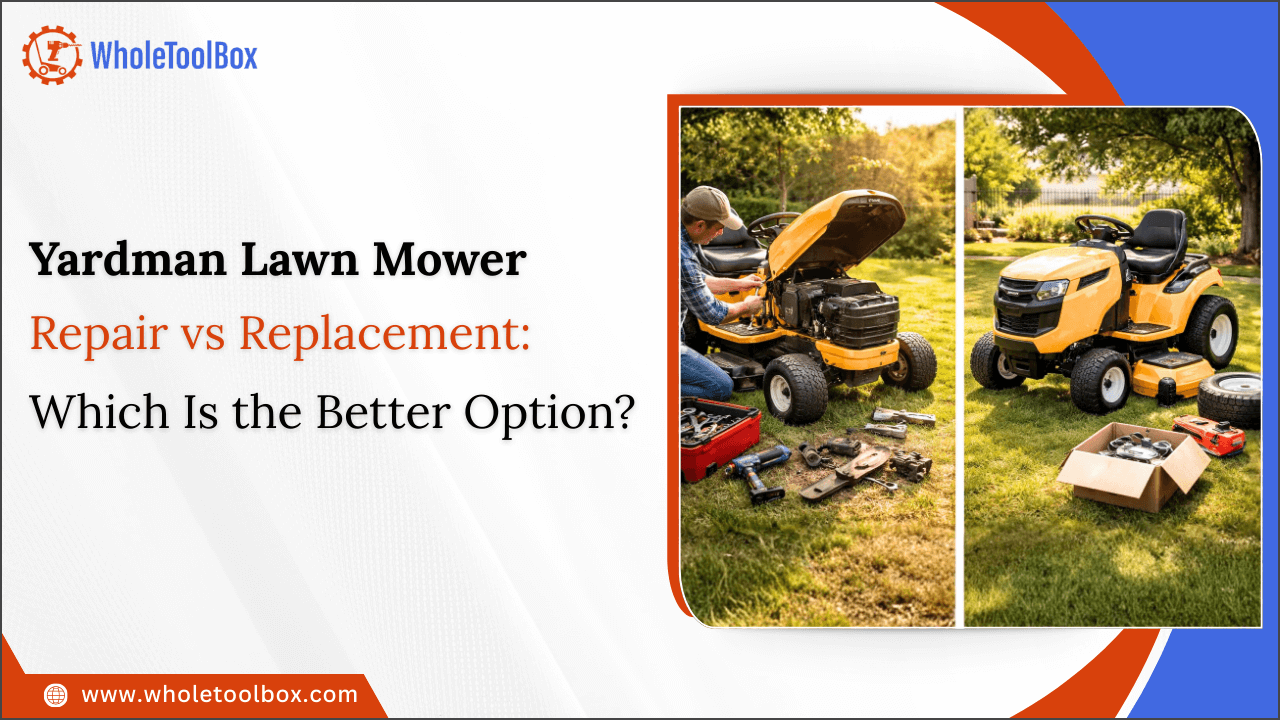
Yardman Lawn Mower Repair vs Replacement: Which Is the Better Option?
When a mower begins losing power, struggling to start, or producing uneven cuts, deciding between repair and replacement becomes essential. For owners of a Yardman lawn mower, this choice often depends on cost, age, parts availability, and overall condition. While some mechanical issues can be resolved affordably, others may signal it’s time for an upgrade. This article provides a structured comparison to help evaluate whether Yardman lawn mower repair is the smarter financial move or if replacement offers better long-term value.
Understanding Yardman Lawn Mower Lifespan and Performance
The lifespan of a Yardman lawn mower is influenced by its type, usage, and maintenance. Properly serviced and stored machines can operate efficiently for many years, while neglected mowers tend to wear out faster. Refer to the table below for average lifespans based on mower type:
|
Mower Type |
Average Lifespan |
|
Push mowers |
8 to 10 years |
|
Self-propelled models |
8 to 12 years |
|
Riding mowers |
10 to 15 years |
Signs of declining performance include difficulty starting, reduced cutting power, uneven mowing, and excessive vibration. While occasional issues can be resolved through routine maintenance and minor repairs, repeated problems often indicate that the mower is approaching the end of its serviceable life.
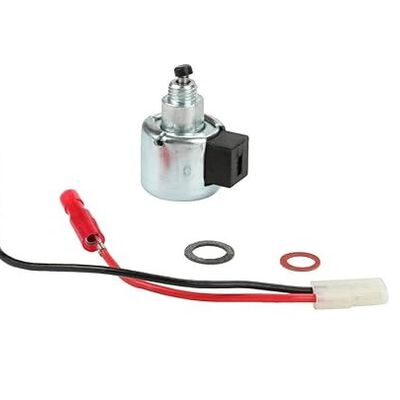
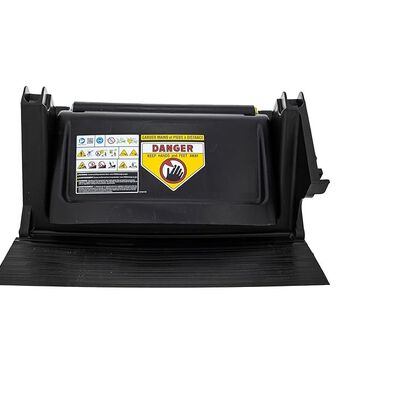
Shop now for high-quality Yardman lawn mower parts at WholeToolBox. From blade adapters and carburetors to lower trays, chutes, and wheels, our durable components keep your mower running efficiently and performing at its best.
Common Yardman Lawn Mower Problems That Impact Repair Decisions
Several mechanical and performance issues help determine whether repair is practical or if replacement is the better option. Below are common problems with clear solutions.
Hard Starting: Hard starting usually happens when the mower struggles to ignite due to a worn spark plug, stale fuel, a clogged carburetor, or a dirty air filter. After long storage, fuel can degrade and create deposits that restrict proper combustion, making the engine slow to start or completely unresponsive.
-
Solution: Replace the spark plug, drain and refill with fresh fuel, clean the carburetor to remove buildup, and clean or replace the air filter. These steps restore proper air-fuel flow and improve ignition reliability.
Loss of Cutting Power: Reduced cutting power occurs when the mower cannot maintain blade speed while cutting grass. This is commonly caused by dull blades, grass buildup under the deck, or an engine that is not properly maintained. As a result, the mower may leave patches of uncut grass or stall in thicker areas.
-
Solution: Sharpen or replace the blade to improve cutting efficiency, clean the mower deck to remove debris that restricts airflow, and perform a basic engine tune-up, including oil change and filter maintenance, to restore engine performance.
Uneven Cutting: Uneven cutting happens when the mower trims grass inconsistently, leaving an irregular lawn surface. This problem is often linked to bent blades, improper deck alignment, or uneven tire pressure, which causes imbalance during operation.
-
Solution: Inspect the blade for bends or damage and replace if necessary, adjust and level the cutting deck according to specifications, and ensure all tires are evenly inflated to maintain stable and uniform cutting.
Excessive Vibration: Excessive vibration during operation is a warning sign of mechanical imbalance or loose internal parts. It may be caused by an unbalanced blade, loose mounting bolts, worn bearings, or damaged internal components. Continuous vibration can accelerate wear and reduce mower lifespan.
-
Solution: Tighten all fasteners and mounting bolts, check and balance the blade, and inspect internal components for wear. Replacing worn or damaged parts early prevents further mechanical damage.
Engine Smoking: Engine smoking indicates combustion or lubrication issues. Blue or white smoke may suggest oil burning due to overfilled oil or worn engine seals, while black smoke often signals an improper fuel-air mixture. Persistent smoke can lead to long-term engine damage if ignored.
-
Solution: Check and correct the engine oil level, replace clogged air filters, and inspect the carburetor for fuel mixture issues. If smoking continues, a deeper engine inspection may be required to identify internal wear.
Drive System Failure: Drive system failure is common in self-propelled mowers and affects forward movement and traction. This typically occurs due to worn drive belts, damaged pulleys, or transmission wear from prolonged use. The mower may move slowly, inconsistently, or stop self-propelling altogether.
-
Solution: Replace worn drive belts, inspect pulleys and wheel gears for damage, and service or repair the transmission system if movement remains inconsistent. Timely replacement of drive components can restore proper mobility and prevent more costly repairs.
Yardman Lawn Mower Repair vs Replacement: Cost Comparison Breakdown
Cost evaluation is one of the most critical aspects when choosing between repair and replacement. Check the table below for a clear cost comparison to help guide your decision.
|
Cost Factor |
Repair Cost Range |
Replacement Cost Range |
|
Initial Cost |
$20 – $120 (blades, belts, filters, spark plugs) |
$350 – $900 for a new mower |
|
Major Component Failure |
$250 – $600 (engine, transmission, electrical repairs) |
$0 upfront repairs (new unit/warranty) |
|
Annual Maintenance |
$80 – $200 per year as mower ages |
$30 – $80 per year in early ownership |
|
Performance vs Cost |
Limited improvement despite repeated spending |
Noticeable efficiency and power upgrade |
|
Breakdown-Related Costs |
$100 – $300 annually if issues recur |
Minimal during the first 2–3 years |
|
Remaining Lifespan Value |
Worth it if mower has 3–5 usable years left |
Better value if the mower is 7–10 years old |
|
Decision Threshold |
Repair if the total cost is under $200–$300 |
Replace if repairs exceed $400–$450 |
Key Factors to Consider Before Yardman Lawn Mower Repair or Replacement
Before choosing between repair and replacement, it is important to evaluate the mower’s overall condition, repair frequency, and long-term performance potential. Below are the key factors that help determine the most practical and cost-effective option.
-
Mower Age: The age of your mower plays a big role in how reliable it will be going forward. Older machines naturally experience more wear and tear, which can lead to repeated mechanical problems. That said, age alone is not a reason to replace it if the engine still runs well and repair costs remain reasonable.
-
Breakdowns: Frequent breakdowns are often a sign of overall wear rather than a single faulty part. If you find yourself fixing the mower several times in a season, the repair costs and downtime can quickly add up, making replacement a more practical long-term option.
-
Parts Availability: Yardman mowers are generally easier to maintain because replacement parts like belts & blades are widely available. When parts are easy to source, repairs become more cost-effective. However, if certain components are hard to find, repair time and expenses can increase.
-
Lawn Size & Performance: Your lawn size and mowing needs should also influence the choice. A mower that struggles with larger lawns or heavy grass may no longer meet performance expectations. In such cases, upgrading to a newer model with better power and cutting efficiency can improve overall productivity.
-
Maintenance History: A well-maintained mower is more likely to perform reliably after repairs. Regular servicing helps prevent small issues from turning into major failures, extending the machine’s lifespan and keeping performance consistent over time.
-
Safety Concerns: Safety should always be a priority. Problems like worn blades, faulty safety switches, or brake issues can make the mower unsafe to operate. If repairs cannot fully restore safe functioning, replacement is the smarter and safer choice.
-
DIY vs Professional Repair: Simple tasks such as replacing spark plugs or sharpening blades can often be handled at home. However, complex issues involving the engine, transmission, or electrical components are best left to professionals to ensure proper repair and long-term reliability.
Check out how to choose the perfect lawn mower for your yard: Ultimate guide highlighting mower options, key features, and maintenance advice for a healthy lawn
Summary: Making the Right Yardman Lawn Mower Repair or Replacement Decision
Deciding between repairing or replacing your Yardman lawn mower depends on age, condition, and repair costs. Minor issues and a well-maintained engine favor repair, while frequent breakdowns or major component failures make replacement more practical. Evaluate long-term performance, parts availability, and safety before purchasing.
Key Takeaways:
-
Hard starting, uneven cuts, vibration, and engine issues guide repair choices.
-
Minor repairs are cost-effective; major engine or transmission issues may need replacement.
-
Repair is best if costs are under 40–50% of a new mower.
-
Replace if breakdowns are frequent or performance is poor.
-
Safety, maintenance, and parts availability are key factors.
FAQs
Why won't my Yardman lawn mower start?
Common reasons include a dirty or faulty spark plug, clogged fuel lines, stale fuel, or a blocked carburetor. Checking these components often restores starting ability.
How do I unclog a Yardman lawn mower carburetor?
Remove the carburetor and clean it with a carburetor cleaner spray. Pay special attention to jets and passages, then reassemble with fresh fuel for smooth operation.
How can I tell if a Yardman lawn mower ignition coil is bad?
Symptoms of a failing ignition coil include difficulty starting, engine sputtering, or no spark at all. Testing with a spark tester can confirm if replacement is needed.
How do I know if the fuel filter is clogged on a Yardman lawn mower?
Signs of a clogged fuel filter include poor engine performance, stalling, or hesitation during acceleration. Inspecting and replacing the filter restores proper fuel flow.
How do I get a Yardman lawn mower to start after sitting unused?
Drain old fuel, replace the spark plug, clean the carburetor, and check the air filter. Fresh fuel and routine maintenance usually resolve starting issues.
| Disclaimer: This information is for general guidance on Yardman lawn mower repair, replacement, and parts maintenance. Always follow manufacturer instructions and consult a qualified technician for complex repairs or issues beyond basic maintenance. |