The Evolution of Pressure Washers: Smart, Electric, and Cordless Innovations
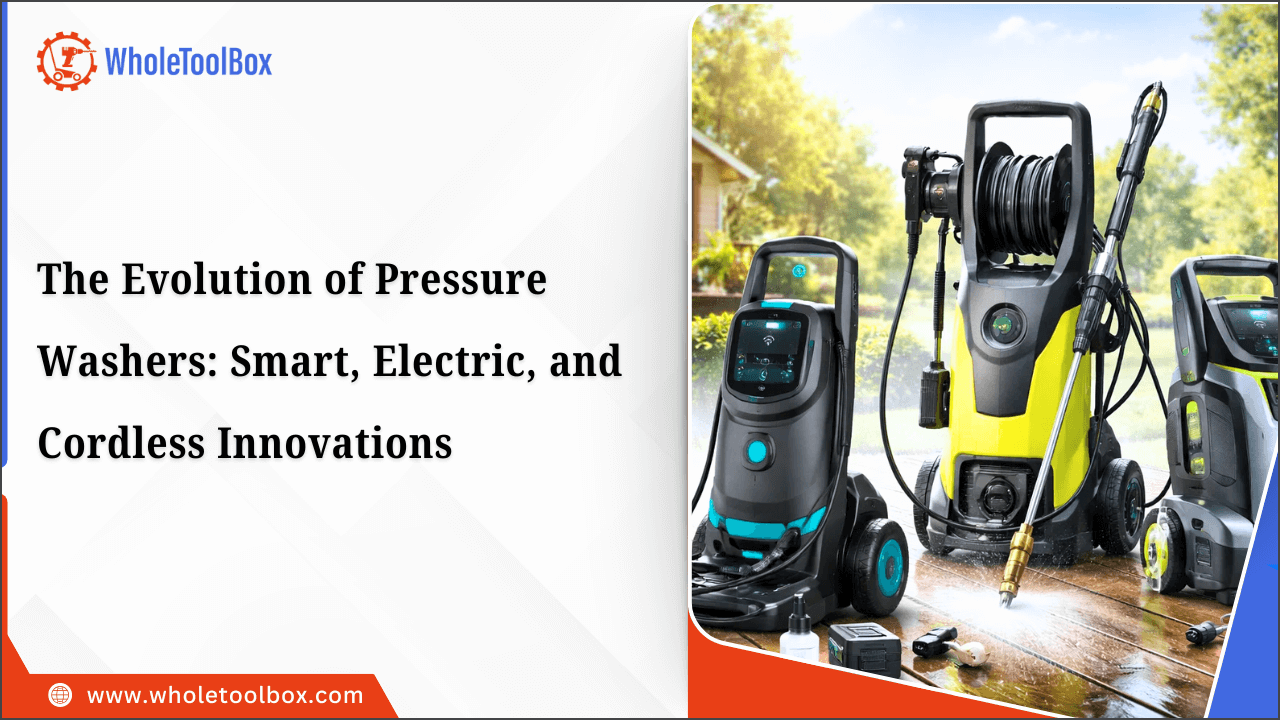
In recent years, pressure washers have evolved far beyond traditional high-pressure water machines. From powerful gas models to portable cordless units, and now smart-enabled washers, technology is reshaping how we clean homes, vehicles, and industrial equipment.
Modern innovations focus on efficiency, precision, and convenience, combining connectivity, app-based controls, and eco-friendly designs. This article explores the different types of pressure washers, the rise of smart technology, practical applications, and emerging trends in electric cleaning systems.
Understanding the Different Types of Pressure Washers
Pressure washers come in a variety of types, each designed to meet different cleaning requirements and environments. Selecting the right type depends on the surface, cleaning intensity, portability needs, and power source. Below are the key types of pressure washers:
Gas‑Powered Pressure Washers: Gas-powered pressure washers use an internal combustion engine to drive the water pump, producing high pressure, commonly between 2,000 and 4,000 PSI or higher, along with strong water flow.
-
Advantages: Gas models deliver robust performance and mobility, enabling fast and efficient cleaning of large areas. They are especially suited for professional or industrial applications where raw power is critical.
-
Limitations: They are heavier, noisier, and emit exhaust, requiring careful handling and regular engine maintenance, including oil changes, spark plug replacement, and filter upkeep. These factors make them less convenient for routine residential use and less environmentally friendly.
Electric (Corded) Pressure Washers: Electric pressure washers operate using standard household electricity and typically offer moderate pressures between 1,300 and 3,000 PSI.
-
Advantages: Corded electric washers are lightweight, low-maintenance, and cost-effective to operate. Their quiet and emission-free operation makes them ideal for residential environments or areas sensitive to noise.
-
Limitations: Their need for a nearby electrical outlet limits portability, and their lower power output makes them less effective on large or heavily soiled surfaces than gas models.
Battery-Powered (Cordless) Pressure Washers: Battery-powered pressure washers use rechargeable lithium-ion batteries to provide cordless operation, offering high portability and convenience. Typical run times range from 20 to 45 minutes, depending on battery capacity.
-
Advantages: Cordless washers allow maximum mobility without cords or emissions. They operate quietly, are eco-friendly, and are easy to handle for quick cleaning tasks.
-
Limitations: These units generally produce lower pressure than corded or gas models, have limited runtime per charge, and may become costly if extra batteries are required. They are not ideal for extensive, heavy-duty cleaning projects.
Smart Pressure Washers: Smart pressure washers enhance traditional electric models with digital controls, sensors, and connectivity features. These washers represent the next generation of intelligent outdoor cleaning tools.
-
Advantages: Smart washers offer precise pressure control, app-based management, and real-time performance feedback. This improves cleaning efficiency and ensures the correct settings for different surfaces.
-
Limitations: They are typically more expensive than standard electric units, rely on software and electronics that may require updates or repairs, and generally do not match the high output of professional-grade gas washers.
Example: Manufacturers such as Kärcher have introduced intelligent models like the Kärcher K5 Premium Smart Control, which connects via Bluetooth to provide guided cleaning settings. Digital displays on the spray gun show pressure levels and system status in real time.
Find out the 9 best pressure washers that make deep cleaning faster and easier, and discover the top models for powerful, efficient cleaning
How Smart Technology Is Transforming Modern Pressure Washers
Smart technology is revolutionizing pressure washers by adding intelligence, automation, and connectivity to traditional cleaning equipment. These innovations help users work more efficiently, safely, and with consistent results. Below are the key smart features that modern pressure washers offer:
-
App-Based Customization: Smart washers connect to mobile apps to select cleaning tasks and automatically adjust pressure and detergent. This ensures surfaces are cleaned safely, reduces guesswork, and provides helpful guidance for beginners.
-
Real-Time Sensor Feedback: Built-in sensors and LCDs show live PSI and flow data, allowing users to adjust pressure on the spot. This improves workflow efficiency, gives precise control, and makes cleaning faster and easier.
-
Predictive Maintenance Alerts: The washer monitors its performance and notifies users of issues like overheating, clogged filters, or reduced pump efficiency. This helps prevent downtime, extends the machine’s lifespan, and enables proactive maintenance.
-
Automatic Pressure Adjustment: Smart washers can adjust pressure levels automatically based on the surface being cleaned. This protects delicate surfaces, ensures consistent cleaning results, and saves time by reducing manual adjustments.
-
Smart Dispensing: Advanced models regulate detergent flow based on the cleaning task. This ensures optimal cleaning performance, prevents waste, and makes chemical use safer and more efficient.
Real-World Applications of Modern Pressure Washers
Pressure washers are used across residential, commercial, industrial, and agricultural sectors to maintain cleanliness, safety, and operational efficiency. Their versatility allows them to tackle a wide range of cleaning tasks effectively. Below are the main application areas:
|
Application Area |
Function |
Key Benefits |
|
Residential Cleaning |
Cleaning homes, driveways, patios, and decks. |
Removes dirt, mold, and grime quickly. |
|
Commercial Cleaning |
Maintaining storefronts, sidewalks, and commercial buildings. |
Enhances appearance and hygiene. |
|
Automotive & Marine |
Washing vehicles, boats, and other water-adjacent equipment. |
Saves time, protects surfaces, prevents buildup. |
|
Industrial & Agricultural |
Cleaning heavy machinery, equipment, barns, and farm tools. |
Increases equipment lifespan and safety. |
Check out how to safely pressure wash garden furniture and patios, and discover expert tips for cleaning your outdoor spaces efficiently without causing damage
Emerging Trends in Electric Pressure Washer Technology
Electric pressure washers continue to evolve with new technologies that improve efficiency, sustainability, and user comfort. Manufacturers are focusing on durability, environmental impact, and ergonomics to meet both residential and commercial needs. Below are the key trends shaping modern electric washers:
-
Brushless Motors: Electric pressure washers increasingly feature brushless motors, which enhance operational efficiency and longevity. By reducing heat buildup and mechanical wear, these motors deliver high-pressure performance while maintaining quieter operation and extended service life.
-
Hybrid Power Systems: Hybrid systems integrate battery and AC power, allowing seamless switching between cordless mobility and continuous plug-in operation. This approach provides greater flexibility for residential and commercial applications while supporting emission-free cleaning in sensitive environments.
-
Sustainability: Modern electric washers support eco-friendly operation through zero direct emissions, regulated water and detergent usage, and, in some commercial models, water recovery systems. These features help reduce environmental impact and ensure compliance with regulatory standards.
-
Noise Reduction and Ergonomics: Advanced insulation, vibration-dampening, and quieter pump designs make electric washers significantly quieter than gas units. Ergonomic spray guns and recoil-assist triggers reduce operator fatigue, improving comfort during prolonged use.
Summary: The Future of Intelligent Cleaning Systems
Pressure washers have evolved from gas-powered units to electric, cordless, and smart models, offering greater efficiency, portability, and eco-friendly operation. Smart technology adds app control, real-time feedback, and automatic adjustments. Emerging trends focus on durability, hybrid power, and user comfort, shaping the future of intelligent cleaning systems.
Key Takeaways:
-
Pressure washers include gas, electric, cordless, and smart models.
-
Gas washers offer high power but need maintenance.
-
Electric and cordless units are quiet, portable, and eco-friendly.
-
Smart washers provide app-based control and automatic adjustments.
-
Brushless motors and hybrid power improve efficiency.
-
Trends focus on sustainability, ergonomics, and smarter cleaning solutions.
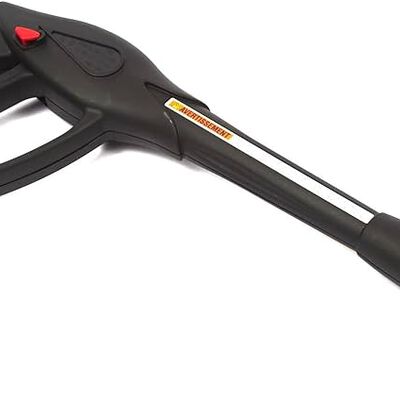
Shop top-quality pressure washer parts at WholeToolBox! We offer pressure washer guns, motors, cylinder heads, and recoil starters from trusted brands like Milwaukee, Echo, Ridgid, and Graco for reliable, long-lasting performance.
References:
https://www.consumerreports.org/home-garden/pressure-washers/buying-guide/
https://www.azfb.org/Article/12-Surprising-Uses-of-Pressure-Washers
FAQs
Is 2000 PSI enough to clean concrete?
Yes, 2000 PSI is sufficient for cleaning concrete driveways, patios, and sidewalks with light to moderate dirt, mold, and grime. For heavy oil stains or deep-set buildup, you may need a degreaser or higher pressure (2500–3000 PSI) for better results.
Can pressure washers be used on all surfaces?
No. High-pressure water can damage wood, painted walls, vinyl, or older bricks. Test a small area first and adjust pressure and nozzle type for safe cleaning.
Does water temperature affect cleaning?
Yes. Hot water removes grease and stubborn stains more effectively, though most electric and cordless washers use cold water. Using the right detergent can improve results.
| Disclaimer: This content is for informational purposes only and does not replace professional, technical, or safety advice. Always follow the manufacturer’s instructions and safety guidelines when operating electric or cordless pressure washers. Use equipment responsibly and at your own risk. |