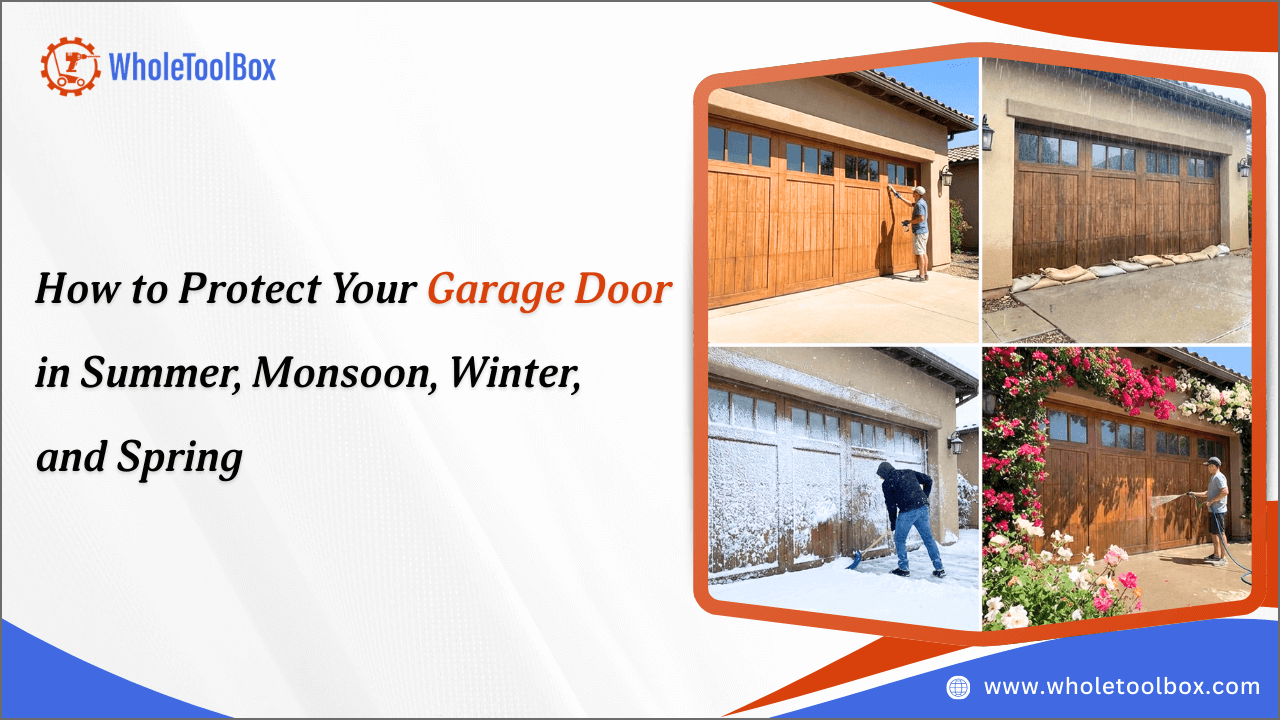
How to Protect Your Garage Door in Summer, Monsoon, Winter, and Spring
Seasonal weather shifts can significantly affect the performance, durability, and safety of your garage door. From intense summer heat and heavy monsoon moisture to cold winter conditions and spring dust, each season puts extra pressure on components such as springs, tracks, and seals.
A proactive, season-based maintenance approach helps extend lifespan, enhance safety, and ensure smooth operation in all conditions. In this blog, we cover how seasonal weather impacts garage door parts, common problems to watch for, useful maintenance tips, and an easy inspection checklist for year-round protection.
Seasonal Weather Changes Impacting Garage Door Performance
Seasonal weather changes directly affect the efficiency, safety, and lifespan of garage doors. Heat can cause metal parts to expand and lubricants to dry out, leading to noisy and strained operation. During monsoon or humid conditions, moisture increases the risk of rust, seal damage, and electrical issues in openers.
In winter, cold temperatures make components contract and lubricants thicken, resulting in stiffness and higher friction. Spring often brings dust, debris, and temperature fluctuations that can affect track alignment and sensor performance. Regular seasonal awareness helps prevent wear, breakdowns, and operational issues.
Common Garage Door Problems and How to Prevent Them
Each season presents unique environmental challenges that can affect garage door performance. Understanding these seasonal risks allows homeowners and property managers to implement preventive measures effectively.
Summer: During summer, extreme heat and dry air can cause metal components to expand and lubricants to evaporate quickly. This often leads to noisy operation, stiff movement, and increased strain on the opener motor. Dust and debris accumulation can also clog tracks and sensors.
Prevention Tips:
-
Apply high-quality silicone-based lubricant to rollers, hinges, and springs
-
Clean tracks regularly to remove dust buildup
-
Inspect weather stripping for cracks caused by heat exposure
-
Avoid excessive direct sunlight by using protective coatings or shades
-
Check the motor settings to ensure it is not overworking due to increased resistance
Monsoon: The monsoon season introduces excessive humidity and water exposure, which can cause rusting, swelling of wooden doors, and electrical malfunctions in automatic openers. Water seepage can also damage seals and insulation.
Prevention Tips:
-
Apply anti-rust coating to metal components
-
Ensure proper drainage around the garage area
-
Check the bottom seals to prevent water ingress
-
Inspect wiring and opener units for moisture damage
-
Wipe down wet surfaces and allow proper ventilation
Winter: Cold temperatures can make metal components contract, causing stiffness and increased friction in moving parts. Lubricants may thicken, and rubber seals can harden or crack, affecting insulation and door flexibility.
Prevention Tips:
-
Use winter-grade lubricant designed for low temperatures
-
Inspect and replace brittle weather seals
-
Check spring tension and balance
-
Clear debris or ice buildup near the door base
-
Test the opener's sensitivity to avoid strain during operation
Spring: Spring often brings increased debris, pollen, and fluctuating weather conditions. Accumulated debris in tracks and hinges can affect door alignment and sensor accuracy.
Prevention Tips:
-
Perform deep cleaning of tracks and rollers
-
Recalibrate safety sensors
-
Tighten loose hardware caused by temperature fluctuations
-
Inspect panels for minor damage after winter exposure
-
Conduct a full operational test to ensure smooth movement
When to Call a Professional
Routine maintenance can be done independently, but issues like uneven or off-track doors, worn springs or cables, unusual motor noises, persistent electrical or sensor problems, or doors that won’t move smoothly require a professional. Experts safely adjust components, perform diagnostics, and ensure compliance with safety standards to prevent accidents.
Garage Door Maintenance Tips for Year-Round Protection
A consistent, season-focused maintenance routine helps ensure your garage door operates safely and efficiently in all weather conditions. Preventive care reduces wear on mechanical components and minimizes the risk of unexpected breakdowns throughout the year.
-
Lubricate Moving Parts: Apply a high-quality lubricant to hinges, rollers, springs, and bearings every 3 to 4 months to reduce friction, prevent noise, and protect components from seasonal temperature changes.
-
Keep Tracks Clean: Remove dust, dirt, and debris from tracks, sensors, and rollers to maintain smooth movement and avoid operational disruptions caused by buildup.
-
Protect Against Weather Exposure: Use protective coatings and ensure proper sealing to safeguard the door from heat, moisture, and rust.
-
Test Door Balance Periodically: Check manual balance to prevent excessive strain on the opener and maintain efficient operation.
-
Schedule Periodic Servicing: Arrange professional servicing annually to detect hidden mechanical or electrical issues early.
Inspection Checklist for Long-Term Garage Door Performance
Below are the key inspection areas you should review regularly to ensure long-term garage door efficiency, safety, and durability across all seasons:
|
Inspection Area |
What to Inspect |
Inspection Purpose |
|
Structural Components |
Panels, hinges, brackets, and fasteners |
Detect damage, rust, or looseness affecting safety |
|
Track System |
Alignment, bends, and debris buildup |
Ensure smooth and stable door movement |
|
Lift Mechanism |
Springs, cables, and tension balance |
Prevent sudden failure and operational hazards |
|
Sealing and Insulation |
Weather stripping and bottom seals |
Avoid water ingress, dust entry, and air leaks |
|
Automation System |
Opener motor, sensors, and responsiveness |
Maintain reliable and safe automated operation |
|
Operational Performance |
Manual lift, noise levels, and vibrations |
Identify imbalance or hidden mechanical strain |
Summary: Protecting Your Garage Door Through Every Season
Seasonal weather changes continuously stress garage door components, affecting performance, safety, and durability. From heat expansion and monsoon moisture to winter stiffness and spring debris, each season introduces specific risks. A proactive maintenance routine combined with regular inspections helps prevent costly repairs and unexpected breakdowns. Consistent care ensures smooth operation, improved safety, and extended system lifespan throughout the year.
Key Takeaways
-
Seasonal weather directly impacts springs, tracks, seals, and opener systems.
-
Regular lubrication reduces friction and prevents premature component wear.
-
Moisture control and anti-rust protection are essential during monsoon periods.
-
Cold temperatures require proper lubrication and seal inspection to prevent stiffness and cracking.
-
Routine balance tests and sensor checks improve operational safety.
-
Annual professional servicing helps detect hidden mechanical or electrical issues early.
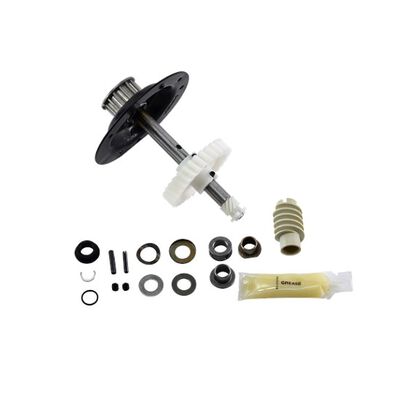
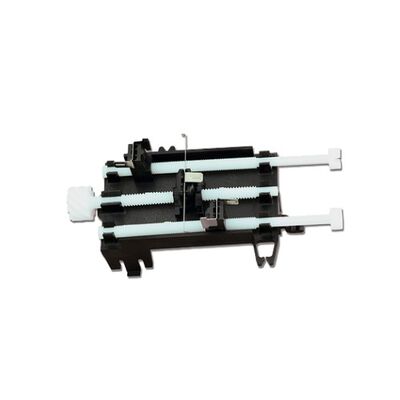
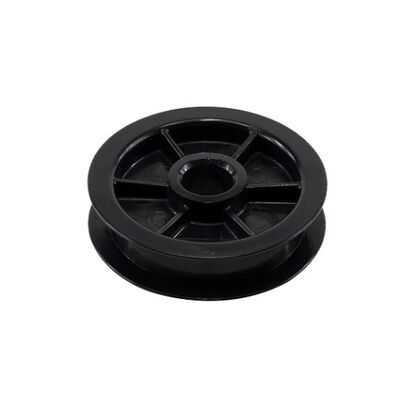
Shop top-quality garage door opener parts at WholeToolBox! We offer limit switch assemblies, idler belt pulleys, door opener chains, and cables from trusted brands like Chamberlain and Craftsman for long-lasting garage performance.
FAQs
Is it cheaper to repair or replace a garage door?
Repairs are cheaper for minor issues like worn parts or alignment problems. Replacement is more cost-effective if the door is heavily damaged, outdated, or requires frequent repairs.
What’s the average lifespan of a garage door opener?
Most garage door openers last about 10 to 15 years with regular maintenance and proper usage.
How often should I replace my garage door springs?
Garage door springs typically last 7 to 10 years, depending on usage and maintenance. If you notice rust, gaps, or difficulty lifting the door, it may be time to replace them.
| Disclaimer: This content is for informational purposes only. Always follow manufacturer instructions and safety guidelines when maintaining or operating garage doors. Perform repairs and inspections responsibly and at your own risk. |