Ultrasonic Carburetor Cleaning Technology: The Ultimate Game-Changer for Small Engine Power Tools
Small engine power tools are essential for both professionals and DIYers, but over time, their performance can suffer due to carburetor buildup and fuel residue. Traditional methods of cleaning carburetors can be slow and often fail to reach the small internal passages where dirt and residue accumulate. Ultrasonic carburetor cleaning provides a quicker, more thorough alternative. By using high-frequency sound waves in a specialized cleaning solution, it effectively removes stubborn buildup without harming delicate components. This process helps restore peak engine performance, enhances fuel efficiency, and prolongs the lifespan of your power tools. Whether you're dealing with lawn equipment, chainsaws, or generators, ultrasonic cleaning is a smart upgrade for your maintenance routine. Let’s explore how this technology is transforming small engine care.
What Is Ultrasonic Carburetor Cleaning and How It Works for Small Power Tools
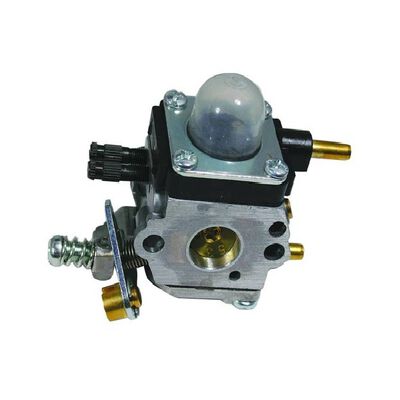
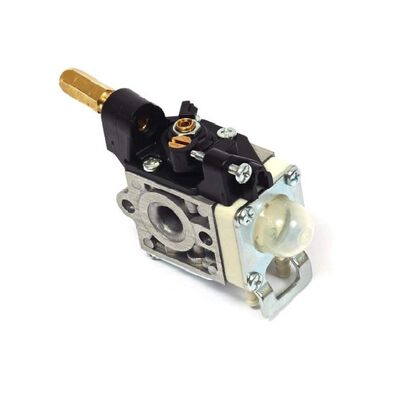
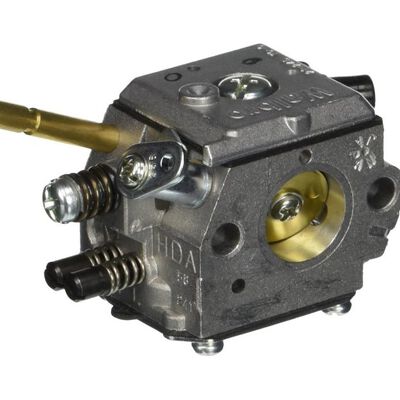
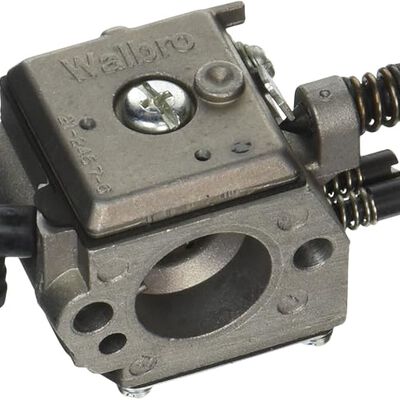
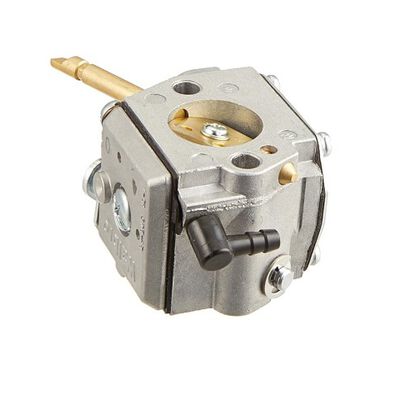
Ultrasonic carburetor cleaning is a modern and highly effective method for removing dirt, varnish, and fuel deposits from carburetors, especially in small engine power tools like lawnmowers, chainsaws, and trimmers.This method uses ultrasonic waves to thoroughly clean even the smallest passages and components that traditional cleaning techniques often can’t reach.
How Ultrasonic Carburetor Cleaning Works for Small Power Tools:
-
Ultrasonic Waves: his process utilizes high-frequency sound waves, usually ranging from 20 to 40 kHz, to generate microscopic cavitation bubbles within a cleaning solution.
-
Cavitation Effect: These bubbles rapidly form and collapse, producing tiny shock waves that gently but effectively dislodge dirt, carbon deposits, and grime from the carburetor’s surface and internal passages.
-
Thorough Cleaning: The ultrasonic waves penetrate small holes, jets, and channels within the carburetor, ensuring a comprehensive clean without needing to dismantle every part.
-
Non-Damaging: Unlike harsh chemicals or abrasive methods, ultrasonic cleaning is gentle on delicate carburetor components, preserving their integrity.
-
Improved Performance: By restoring clogged carburetors to like-new condition, this process helps small power tools run smoother, start easier, and operate more efficiently.
-
Time-Efficient: Ultrasonic cleaning typically takes minutes and requires minimal manual effort, making maintenance quicker and more convenient.
This innovative cleaning method is revolutionizing how small engine power tools are maintained, offering a reliable way to extend their lifespan and improve overall performance.
Types of Ultrasonic Cleaners Suitable for Small Engine Carburetors
Choosing the right ultrasonic cleaner is essential for effectively cleaning small engine carburetors without causing damage. Different types of ultrasonic cleaners vary in size, power, and features to suit various needs.
Benchtop Ultrasonic Cleaners:
These are the most common choices for cleaning carburetors at home or in small workshops. They are compact, affordable, and provide sufficient power for small engine parts.
Key Features:
-
Compact size ideal for small to medium parts
Adjustable frequency and heating controls -
Affordable and easy to use
-
Suitable for hobbyists and small repair shops
Industrial Ultrasonic Cleaners:
Industrial models are larger, more powerful, and built for heavy-duty use. They can clean multiple carburetors or large parts simultaneously and are often used in professional automotive or manufacturing settings.
Key Features:
-
High power for thorough cleaning
-
Larger tank size for multiple parts
-
Programmable cleaning cycles
-
Designed for frequent, heavy use
Portable Ultrasonic Cleaners:
Portable cleaners are small, often battery-powered units designed for quick cleaning on the go. While convenient, they usually have limited power and capacity, making them less ideal for deep cleaning.
Key Features:
-
Compact and lightweight for mobility
-
Suitable for quick touch-ups
-
Limited tank size and ultrasonic power
-
Useful for field repairs or occasional use
Additional Factors to Consider:
-
The tank size should comfortably fit all carburetor parts
-
Optimal ultrasonic frequency ranges from 25-40 kHz for delicate cleaning
-
Heating and timer functions enhance cleaning efficiency and control
Selecting the right ultrasonic cleaner ensures effective cleaning while preserving the delicate parts of your small engine carburetor.
Benefits of Ultrasonic Carburetor Cleaning for Small Engine Power Tools
Ultrasonic carburetor cleaning offers unique advantages that go beyond just cleaning, making it a smart choice for maintaining your small engine power tools:
-
Restores Engine Power: Removes tough carbon deposits and varnish that restrict fuel flow, helping engines regain lost power and responsiveness.
-
Prevents Engine Stalling: Thorough cleaning reduces the risk of carburetor blockages that cause the engine to stall or run inconsistently.
-
Improves Cold Starts: By clearing fuel jets and passages, it helps small engines start quickly and reliably, even in cooler weather.
-
Reduces Maintenance Frequency: Cleaner carburetors mean fewer tune-ups and less frequent replacements, saving time and money.
-
Protects Fuel System Components: Ultrasonic cleaning avoids abrasive damage, extending the life of delicate carburetor parts like needles and floats.
-
Enhances Throttle Response: A clean carburetor allows for smoother throttle control, improving tool handling during operation.
-
Supports Fuel Economy: Efficient fuel atomization leads to better combustion, lowering fuel consumption and operating costs.
These benefits highlight why ultrasonic cleaning is becoming the preferred method for keeping small engine power tools in top shape.
Check out this article on hammers, anvils, torque, and precision power tools to learn how these elements impact tool performance and accuracy.
When and How Often Should You Use Ultrasonic Carburetor Cleaning?
Proper timing and frequency of ultrasonic carburetor cleaning ensure your small engine power tools stay reliable without unnecessary maintenance.
When to Use Ultrasonic Carburetor Cleaning:
-
At Signs of Decreased Engine Efficiency: Noticeable drops in power, sluggish acceleration, or rough idling signal it’s time to clean.
-
After Exposure to Harsh Conditions: Tools used in dusty, wet, or dirty environments benefit from more frequent cleaning to prevent buildup.
-
Post-Season Storage Preparation: Clean carburetors before storing tools for extended periods to prevent gumming and corrosion.
-
When Switching Fuel Types: Changing from ethanol-blended fuels to pure gasoline or vice versa may require cleaning to remove different deposits.
-
After Using Additives: Some fuel additives can leave residues that ultrasonic cleaning effectively removes.
How Often to Use Ultrasonic Carburetor Cleaning:
-
Annually for Moderate Use: For average homeowners or hobbyists, yearly cleaning helps maintain consistent performance.
-
Biannually for Heavy Use: Professionals or frequent users should consider cleaning every six months to avoid performance issues.
-
Based on Tool Performance: If you notice any starting difficulties, fuel inefficiency, or irregular operation, it’s time to clean, regardless of the scheduled maintenance interval.
-
After Fuel System Repairs: Anytime carburetor parts are replaced or adjusted, ultrasonic cleaning ensures all components are residue-free.
By following these guidelines, you can optimize your maintenance routine and keep your small engine power tools running smoothly.
Best Practices for Ultrasonic Carburetor Cleaning in Small Engine Power Tools
Proper ultrasonic cleaning technique ensures you get the most effective and safe results for your small engine power tools. Follow these best practices to protect your equipment and optimize performance:
-
Properly Disassemble the Carburetor: Remove the carburetor and take it apart carefully, separating removable metal parts while avoiding delicate rubber or plastic components that might get damaged.
-
Choose the Correct Cleaning Solution: Use a solution specifically designed for carburetors or small engine parts—avoid harsh chemicals that could corrode or damage components.
-
Pre-Soak if Needed: For heavily soiled carburetors, a short pre-soak in the cleaning solution can help loosen tough deposits before ultrasonic cleaning.
-
Follow Recommended Cleaning Time: Keep cleaning cycles within 5 to 10 minutes to avoid overexposure, which can harm sensitive parts.
-
Use Proper Ultrasonic Frequency: Select an ultrasonic cleaner operating at 25-40 kHz for optimal cleaning without causing damage.
-
Rinse and Dry Thoroughly: After cleaning, rinse parts with clean water or isopropyl alcohol to remove residue, then dry completely to prevent rust or corrosion.
-
Inspect Components Post-Cleaning: Check for any wear, cracks, or damage and replace worn parts before reassembling.
-
Avoid Cleaning Non-Metallic Parts Ultrasonically: Rubber diaphragms and plastic components are better cleaned manually to avoid deterioration.
-
Regular Maintenance Schedule: Incorporate ultrasonic cleaning as part of regular maintenance, especially if tools are used frequently or in harsh conditions.
-
Handle Parts Gently: Ultrasonic cleaning loosens debris but doesn’t replace careful handling during reassembly and tuning.
By following these detailed best practices, you’ll maximize the benefits of ultrasonic carburetor cleaning, extend the lifespan of your carburetor, and ensure your small engine power tools operate at their best.
Check out this article on preventing power tool accidents with modern safety features to help protect users and improve overall tool performance.
Ultrasonic Cleaning vs. Traditional Carburetor Cleaning Methods for Small Engine Power Tools
Maintaining the carburetors of small engine power tools like lawnmowers, chainsaws, and trimmers is crucial for optimal performance. Here’s how ultrasonic cleaning compares to traditional methods, specifically for these tools.
Traditional Cleaning Methods:
-
Often involves manual scrubbing and soaking parts in solvents, which can be tricky due to the small, intricate carburetor components in power tools.
-
May not fully clean tiny jets and narrow fuel passages critical for consistent fuel flow in small engines.
-
Use harsh chemicals that can degrade sensitive parts like rubber diaphragms and plastic floats found in many small tool carburetors.
-
requires more frequent maintenance because buildup isn’t always fully removed, leading to poor engine performance and starting issues.
Ultrasonic Cleaning:
-
Effectively reaches and cleans the tiny jets, passages, and chambers in small engine carburetors that traditional methods often miss.
-
Uses gentle yet powerful cavitation to remove varnish, carbon, and fuel residue without damaging delicate parts unique to small power tools.
-
Shortens maintenance time with thorough cleaning cycles typically lasting under 10 minutes, ideal for busy professionals and DIYers alike.
-
Helps restore reliable cold starts, smooth throttle response, and prevents engine stalling in tools exposed to harsh conditions or seasonal use.
-
Extends the lifespan of carburetor components by avoiding abrasive scrubbing and harsh chemicals common in traditional cleaning.
While traditional methods still have a place for quick surface cleaning, ultrasonic cleaning provides a superior, efficient solution tailored for the delicate and compact carburetors found in small engine power tools.
Final Thoughts
Ultrasonic cleaning technology has revolutionized the maintenance of carburetors in small engine power tools by providing a fast, thorough, and gentle cleaning method that reaches even the smallest internal passages. This advanced technique not only restores optimal engine performance and fuel efficiency but also extends the lifespan of delicate carburetor components, reducing the need for frequent repairs and replacements. By embracing ultrasonic cleaning, both professionals and DIY enthusiasts can ensure their lawnmowers, chainsaws, trimmers, and other tools operate reliably and efficiently, making it an essential part of modern small engine care.
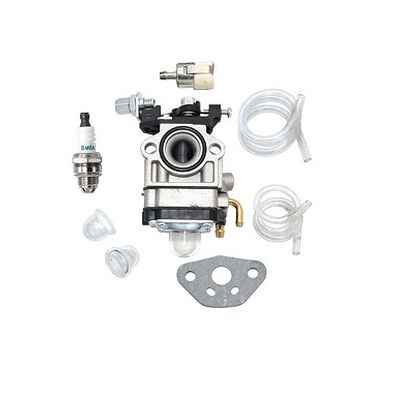
Want to keep your engine power tools running smoothly? WholeToolBox offers top-quality parts, including carburetor kits, fuel filters, and spark plugs, from brands like Husqvarna, STIHL, and Briggs & Stratton. Shop now for reliable components and expert solutions that boost performance and extend tool life!
FAQs
Is ultrasonic cleaning safe for all carburetor parts?
Yes, ultrasonic cleaning is gentle and safe for most metal carburetor components but may damage rubber or plastic parts, which should be cleaned separately. Always follow manufacturer guidelines for best results.
How often should I clean my carburetor with an ultrasonic cleaner?
For average use, once a year is usually sufficient, but heavy use may require cleaning every six months. Clean the carburetor anytime you notice performance issues like rough idling or hard starts.
Can ultrasonic cleaning improve engine performance?
Absolutely, it removes stubborn deposits that block fuel flow, helping engines run smoother and start more easily. This also improves fuel efficiency and reduces engine stalling.
Do I need special cleaning solutions for ultrasonic cleaning?
Yes, it’s best to use cleaning solutions designed specifically for carburetors or small engine parts to avoid corrosion or damage. Avoid harsh chemicals that can degrade delicate components.