Winter Lawn Maintenance in North Texas: A Homeowner’s Checklist
Winter in North Texas brings cooler temperatures that trigger dormancy in most warm-season grasses, leaving lawns brown and seemingly inactive. While growth slows, the root system remains alive and requires careful management to ensure a strong spring recovery. Proper winter lawn care, including mowing adjustments, irrigation management, weed prevention, and equipment preparation, protects your turf from frost, foot traffic, and winter weeds. In this blog, we guide homeowners through essential tasks and share practical tips so your lawn stays healthy during dormancy and emerges lush, green, and strong in spring.
Understand Your Grass Type and Dormancy Patterns
Knowing your grass type and its dormancy behavior is key to maintaining a healthy lawn throughout the winter months in North Texas. Different grasses respond differently to cooler temperatures, shorter daylight, and frost, and understanding these patterns allows you to adjust watering, mowing, and fertilization practices to keep roots healthy and prepare your lawn for vigorous spring growth. The table below explains common grass types in North Texas, their dormancy periods, triggers, and winter behavior.
|
Grass Type |
Dormancy Period |
Dormancy Trigger |
Winter Behavior |
|
Bermudagrass |
Late November – Late April |
Soil temps below ~55°F consistently |
Turns brown and stops top growth, but roots remain alive |
|
Zoysiagrass |
Mid-November – Mid April |
Cooler air temps, first frost events |
Often retains some green longer than Bermuda, though growth slows |
|
St. Augustinegrass |
Late November – Mid April |
Prolonged cold air & soil temperatures |
Leaves turn straw-colored while crowns remain viable |
|
Buffalograss |
Late October – Early April |
Shorter daylight, cooler soil |
Goes brown but is drought- and cold-tolerant |
|
Bahiagrass |
Late November – Early April |
Sustained cool temperatures |
Turns brown quickly but remains hardy once established |
|
Centipedegrass |
Late November – Mid April |
Cold, short days |
Goes brown and growth halts while the roots survive |
|
Ryegrass (overseeded) |
Winter active |
Cooler soil temps |
Remains green and continues growing through winter |
Tip : Lawns overseeded with winter rye or fescue may remain green during colder months. These cool-season grasses still require light, periodic watering throughout winter to stay healthy.
How to Protect Your Lawn from Freezes, Foot Traffic, and Winter Weeds
North Texas winters can be unpredictable. A stretch of mild weather can quickly give way to a hard freeze, making it essential for homeowners to take proactive steps to protect their lawns during the colder months. Here’s how to safeguard your turf from freezing temperatures, excessive foot traffic, and invasive winter weeds.

Check out how to reseed your lawn in fall: step-by-step tips for a healthier yard for easy, effective lawn care tips
Common Winter Lawn Care Mistakes to Avoid in North Texas
Winter lawn care mistakes are easy to make, especially when your yard appears brown and dormant. Avoiding the common mistakes below helps protect your lawn from cold stress and supports a stronger, healthier spring recovery.
-
Overwatering: Dormant lawns require far less water than actively growing turf. Overwatering during winter can lead to fungal diseases, root rot, and soil compaction. Water should only be applied during extended dry periods when rainfall is insufficient.
-
Late-Season Fertilization: Applying nitrogen-heavy fertilizer in winter can force weak top growth that is easily damaged by freezing temperatures. Nutrients applied too late are often wasted or contribute to disease rather than strengthening roots.
-
Cutting Grass Too Short: Scalping the lawn before or during winter exposes soil and grass crowns to cold stress. Maintaining the proper mowing height helps insulate the root zone and protects turf from temperature extremes.
-
Ignoring Weed Growth: Winter weeds establish strong root systems early. Waiting until spring allows weeds to mature and spread seeds, making control more difficult and costly.
Winter Care Tip: Consider applying a light layer of mulch or organic compost around shrubs, flower beds, and bare spots to protect roots, retain soil moisture, and improve soil health during the dormant season.
Check out 10 common lawn mowing mistakes that kill your grass: how to avoid them like a pro and learn simple tips to keep your lawn healthy and thriving
Essential Winter Lawn Tasks and Equipment Prep for Homeowners
Proper winter lawn maintenance reduces stress on turf and minimizes spring repair work. Follow the key tasks below to protect your lawn, strengthen roots, and prepare equipment for long-term performance.
-
Fall Aeration and Fertilization: Perform core aeration in late fall to relieve soil compaction and improve air, water, and nutrient flow. Apply a potassium-rich winter fertilizer to strengthen roots, increase cold tolerance, and prepare the lawn for spring green-up.
-
Leaf and Debris Management: Remove leaves, branches, and excess organic matter to prevent smothering. Light mulching is fine; thick layers can encourage pests or disease. Shredded leaves can be composted or lightly mulched to return nutrients safely.
-
Seasonal Mowing Adjustments: Reduce mowing frequency as growth slows. Leave the final cut slightly taller than summer height to protect crowns from cold stress. Avoid cutting too short to maintain winter resilience.
-
Irrigation System Adjustments: Switch to shorter, less frequent winter watering cycles. Inspect sprinkler heads, check rain and freeze sensors, disconnect hoses, and insulate outdoor faucets to prevent freeze damage.
-
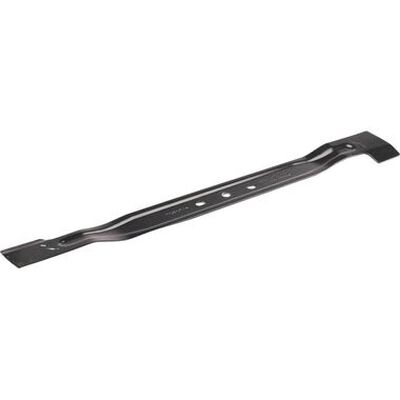
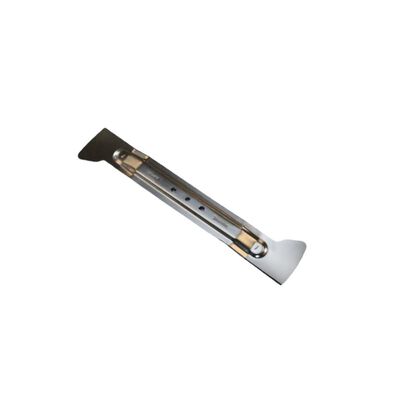
Equipment Maintenance: Service lawn equipment for winter storage. Sharpen blades, replace air and oil filters, change oil if needed, and add fuel stabilizer. Well-maintained tools ensure cleaner cuts and healthier turf in spring.
-
Routine Lawn Monitoring: Inspect the lawn periodically for drainage issues, bare spots, or pests. Early detection allows corrective action and ensures irrigation remains effective during winter temperature fluctuations.
| Caution: Always disconnect and insulate hoses or irrigation lines before freezing temperatures. |
Summary: Preparing Your North Texas Lawn for a Healthy Spring
Winter is a preparation period for North Texas lawns, not a break. By understanding grass dormancy, adjusting watering and mowing, preventing weeds, and performing fall maintenance, homeowners safeguard roots and crowns. Following this checklist ensures your lawn emerges greener, thicker, and healthier in spring, minimizing winter damage and setting the stage for a strong, low-maintenance growing season.
Key Takeaways
-
Avoid walking or mowing frozen turf to prevent crown and blade damage.
-
Fertilize warm-season grasses in fall with potassium; avoid nitrogen during winter.
-
Apply pre-emergent herbicides to prevent winter weeds from establishing.
-
Maintain equipment and inspect irrigation systems for optimal performance.
-
Monitor your lawn periodically for bare spots, drainage issues, or pest activity.
Shop high-quality lawn equipment replacement parts at WholeToolBox for dependable performance and extended equipment life. We carry lawn mower and trimmer parts for leading brands, including Honda, MTD, and Toro, for precise cutting and consistent results every season.
References:
https://www.loveyourlandscape.org
https://www.gilbertaz.gov/Home/Components/News/News/2755/628
FAQs
Can I leave grass clippings on my lawn during winter?
Yes, leaving a thin layer of clippings is beneficial as it returns nutrients to the soil. Avoid thick mats, which can trap moisture, block sunlight, and promote disease. Lightly mulched clippings help maintain lawn health during dormancy.
What are the signs of a struggling lawn in winter?
Look for bare or thinning patches, unusual discoloration beyond normal dormancy, compacted soil, or signs of mold or fungus. Early detection allows you to address problems before spring growth begins.
What should I do first to my lawn after winter?
Start by removing debris and fallen leaves, inspect for winter damage, and check irrigation systems. Aerate compacted areas if needed, and apply a light fertilizer to help roots recover and prepare for active spring growth.
Should I mow the grass higher or lower in Texas during winter?
Keep grass slightly taller than summer height, around 3 to 4 inches, depending on the type. Taller blades protect the crowns, insulate roots, and reduce frost damage, helping the lawn recover faster in spring.