9 Common Husky Tools Air Compressor Parts That Wear Out First
Husky Tools air compressors are designed for durability and consistent performance, yet ongoing use naturally causes wear on key components. Overlooking early signs of part failure can reduce efficiency and increase repair costs. Understanding which parts wear out first allows users to plan maintenance more effectively and extend equipment life. This article highlights the most common Husky air compressor parts prone to wear, explains why they degrade over time, and outlines practical steps to keep your compressor operating safely and efficiently.
Understanding Wear and Tear in Husky Tools Air Compressors
All air compressors operate under constant mechanical and environmental stress during regular use. Friction, heat, vibration, and electrical load gradually fatigue internal pump and motor components. Moisture buildup and airborne contaminants further accelerate wear by causing corrosion and restricting airflow. Over time, these factors reduce efficiency and lead to predictable component failures.
Air Compressor Wear Factors: The table below summarizes the primary factors that cause air compressor wear, highlighting their sources, the components most affected, and the common performance issues they create.
|
Wear Factor |
What Causes It |
Parts Most Affected |
Visible Impact |
|
Friction & motion |
Continuous pump cycling |
Pistons, rings, bearings |
Loss of compression, slow pressure build |
|
Heat |
Repeated air compression |
Valves, seals, gaskets |
Overheating, seal hardening |
|
Vibration |
Motor and pump operation |
Pressure switch, wiring |
Loose connections, erratic cycling |
|
Electrical load |
Frequent start/stop cycles |
Capacitor, motor |
Hard starting, breaker trips |
|
Moisture |
Condensation in the tank |
Tank, drain valve |
Corrosion, air leaks |
|
Dust & debris |
Contaminated intake air |
Air filter, intake valve |
Restricted airflow, reduced output |
|
Pressure cycling |
Tank pressurization changes |
Regulator, seals |
Pressure fluctuation |
|
Poor maintenance |
Infrequent servicing |
All components |
Shortened lifespan, higher repairs |
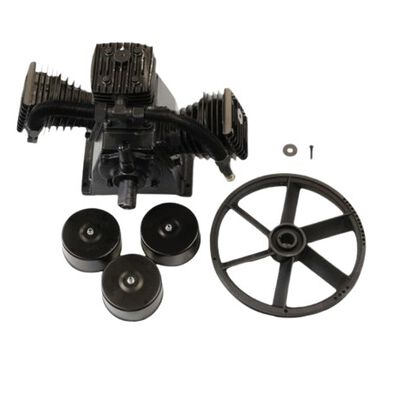
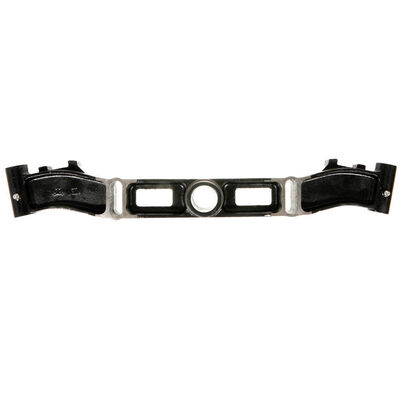
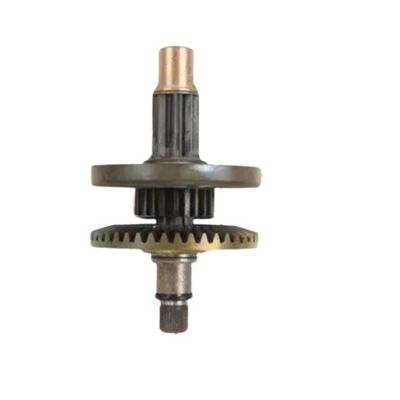
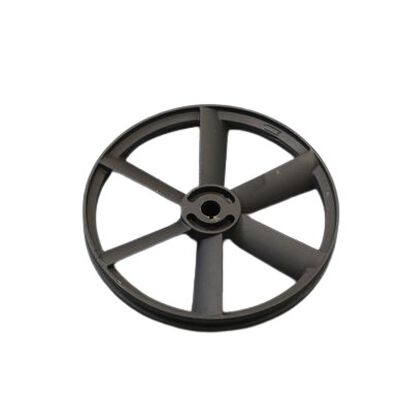
Shop now for high-quality Husky tools air compressor parts at WholeToolBox. From pump assemblies and pressure switches to capacitors and pulleys, our durable parts keep your compressor running smoothly and efficiently. Ensure maximum performance, reliability, and longevity with every replacement.
9 Husky Tools Air Compressor Parts That Wear Out First
Even well-built Husky air compressors are subject to normal wear due to heat, pressure cycles, vibration, and environmental exposure. Understanding which components fail first helps users plan preventive maintenance, avoid unexpected breakdowns, and extend overall compressor lifespan. Below are the nine parts most commonly affected by wear and the basic reasons they fail:
Air Filter: The air filter prevents dust, dirt, and airborne debris from entering the compressor pump. Clean intake air is essential to protect pistons, valves, and cylinders from premature wear.
-
Why It Wears Out: Every operating cycle pulls contaminants through the filter media. Over time, particles accumulate, restricting airflow and increasing strain on the motor and pump.
-
Failure Symptoms: Clogged filters cause reduced airflow, slower pressure buildup, overheating, and louder-than-normal operation. Severe neglect may allow debris to damage internal pump components.
-
Maintenance Tip: Inspect the air filter regularly and replace it according to usage conditions. In dusty environments, more frequent replacement is a simple, low-cost way to protect the entire system.
Pressure Switch: The pressure switch controls motor operation by turning the compressor on and off at preset tank pressure levels, ensuring safe and efficient operation.
-
Why It Wears Out: Electrical contacts degrade due to repeated arcing, vibration, and exposure to moisture, eventually affecting switching accuracy.
-
Failure Symptoms: Inconsistent starting, failure to shut off at cut-out pressure, or rapid cycling are common indicators of a failing pressure switch.
-
Maintenance Tip: Check for corrosion and loose wiring during inspections. When performance becomes unreliable, replacing the switch is typically more effective than attempting repairs.
Check Valve: The check valve allows compressed air to enter the tank while preventing backflow into the pump after the motor stops.
-
Why It Wears Out: Constant pressure cycling, debris contamination, and seal fatigue gradually compromise the valve’s ability to seal.
-
Failure Symptoms: Air leaking after shutdown, hard starting, and frequent cycling indicate a leaking or failed air compressor check valve.
-
Maintenance Tip: Check valves are inexpensive and easy to replace. Timely replacement reduces motor strain and improves startup performance.
Intake (Inlet) Valve: The intake valve opens to draw air into the cylinder during the intake stroke and closes during compression to build pressure.
-
Why It Wears Out: High-speed cycling, heat, and contamination from dirt or oil residue lead to valve fatigue and surface damage.
-
Failure Symptoms: Loss of pressure output, extended run times, and overheating are common signs of intake valve deterioration.
-
Maintenance Tip: Air compressor intake valves are usually replaced during pump rebuilds. Maintaining a clean air compressor air filter significantly extends valve service life.
Piston Rings: Piston rings create a tight seal between the piston and cylinder wall, enabling efficient compression and controlling oil movement.
-
Why They Wear Out: Continuous friction, high operating temperatures, and normal mechanical wear gradually reduce sealing effectiveness.
-
Failure Symptoms: Worn rings result in slow pressure buildup, reduced maximum pressure, increased oil consumption, and oil carryover into air lines.
-
Maintenance Tip: Piston rings are replaced during major pump servicing. Using the correct oil and maintaining proper lubrication helps minimize wear.
Gaskets and Seals: Gaskets and seals prevent air and oil leaks at joints, fittings, and between major pump components.
-
Why They Wear Out: Heat, pressure changes, vibration, and chemical exposure cause materials to harden, crack, or lose elasticity over time.
-
Failure Symptoms: Hissing sounds, visible air leaks, oil seepage, and unexplained pressure loss often point to failed gaskets or seals.
-
Maintenance Tip: Always replace air compressor gaskets and seals during disassembly. Correct torque and proper material selection are critical for long-term sealing.
Drain Valve: The air compressor drain valve allows accumulated moisture and condensation to be released from the air tank.
-
Why It Wears Out: Continuous exposure to water, rust, and sediment leads to corrosion and sticking.
-
Failure Symptoms: Leaking valves, difficulty opening or closing, and poor sealing indicate drain valve wear.
-
Maintenance Tip: Drain the tank after each use. Replace the valve promptly if it fails to seal to prevent internal tank corrosion.
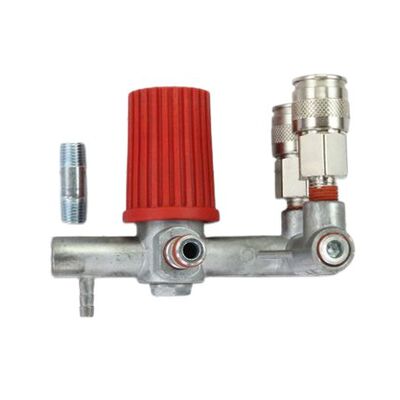
Regulator: The regulator controls the air pressure delivered to tools, maintaining a stable and usable output pressure.
-
Why It Wears Out: Internal diaphragms, springs, and seals degrade due to contamination, pressure fluctuations, and mechanical fatigue.
-
Failure Symptoms: Unstable output pressure, air leaks near the adjustment knob, or inability to hold a set pressure signal indicate regulator failure.
-
Maintenance Tip: If cleaning does not restore consistent performance, air compressor regulator replacement is the most reliable solution.
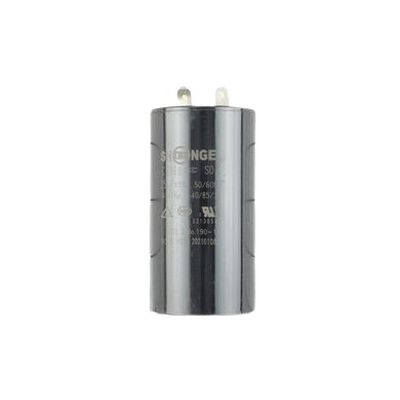
Capacitor: The capacitor provides the electrical boost needed to start the compressor motor under load.
-
Why It Wears Out: Heat exposure, voltage fluctuations, and aging cause capacitors to lose capacity or fail.
-
Failure Symptoms: A failed capacitor may cause the motor to hum without starting, trip breakers, or struggle during startup.
-
Maintenance Tip: Always replace air compressor capacitors with units that match the original voltage and microfarad specifications to ensure safe operation.
Signs Your Husky Tools Air Compressor Parts Need Replacement
Early warning signs often appear as air compressor components begin to wear. Identifying these symptoms in time helps prevent performance loss and costly repairs. Below are the most common indicators that Husky tools air compressor parts may require replacement.
-
Pressure loss or continuous running usually indicates air leaks caused by worn air compressor piston rings, damaged air compressor seals, or failing valves. As the compressor struggles to maintain pressure, it runs longer than intended, increasing heat buildup and accelerating wear on both mechanical and electrical components.
-
Unusual noises such as grinding, rattling, knocking, or constant hissing often signal internal mechanical wear, loose components, or leaking air connections. Ignoring these sounds can lead to more severe internal damage over time.
-
Overheating or burning odors point to excessive friction, restricted airflow, or lubrication problems. If left unaddressed, prolonged overheating can damage valves, seals, motor windings, and other critical internal parts.
-
Oil in the air output is a strong indicator of worn piston rings or deteriorated seals, allowing lubricating oil to enter the compressed air stream. This reduces air quality and may damage connected tools or equipment.
-
Frequent tripping, hard starting, or rapid cycling may be caused by electrical faults, pressure control issues, or persistent air leaks that place excessive load on the motor.
Addressing these symptoms early helps maintain consistent performance, extend equipment lifespan, and avoid costly repairs.
Check out air compressor installation made easy: A step-by-step guide to set up your compressor quickly and safely
How to Extend the Life of Husky Tools Air Compressor Parts
Proper maintenance and correct operating practices significantly extend the service life of Husky tools air compressor components while maintaining consistent performance. Small preventive actions reduce wear, improve efficiency, and help avoid premature part failure. Refer to the image below for a visual overview of key maintenance practices.

By following these maintenance tips and operating your Husky tools air compressor correctly, you can maximize performance, ensure reliable operation, and extend the lifespan of critical components.
| Disclaimer: This information is for general guidance only. Always follow the manufacturer’s manual for your specific Husky Tools air compressor. Improper use or maintenance may cause damage, injury, or void the warranty. |
Conclusion: Protecting Your Investment with Timely Part Replacement
Husky tools air compressors deliver dependable performance when critical wear parts are monitored and maintained proactively. Understanding which components fail first, recognizing early warning signs, and following consistent maintenance practices significantly reduce repair costs and operational interruptions. Timely replacement of worn parts not only protects internal systems but also ensures safe operation, stable air output, and maximum service life, preserving the long-term value of your compressor investment.
Key Takeaways
-
Wear is inevitable, but predictable, in high-use Husky air compressor components
-
Air filters, valves, seals, and electrical parts are most prone to early failure
-
Moisture, heat, and contamination accelerate internal wear
-
Early symptoms help prevent major mechanical and electrical damage
-
Regular inspection and maintenance extend the overall compressor lifespan
-
Timely part replacement reduces repair costs and operational disruptions
| Summary: Husky tools air compressor parts experience gradual wear due to heat, pressure cycles, moisture, and contamination. High-impact components such as filters, valves, regulators, seals, and electrical parts tend to degrade first. Identifying early performance issues allows for timely corrective action before major failures occur. Regular inspection and scheduled part replacement ensure safe operation, consistent air output, and long-term efficiency. |
FAQs
How long do Husky air compressors last?
With proper maintenance, Husky air compressors typically last 8 to 15 years. Regular oil changes, filter replacement, moisture draining, and timely part replacement significantly extend service life and maintain consistent performance.
Are Husky air compressor parts easy to replace?
Most Husky tools air compressor parts, such as air filters, regulators, check valves, drain valves, and capacitors, are easy to replace. Using the correct model-specific parts ensures proper fit, safe operation, and consistent performance.
Can worn air compressor parts impact air tool performance?
Yes. Worn air compressor parts can lead to pressure instability, reduced airflow, and uneven air delivery, which lowers air tool efficiency and performance.
What is the average life expectancy of an air compressor?
Most air compressors have an average lifespan of 10 to 15 years, depending on usage intensity, operating conditions, and maintenance practices. Light-duty units may last longer, while heavily used compressors may require earlier servicing or component replacement.