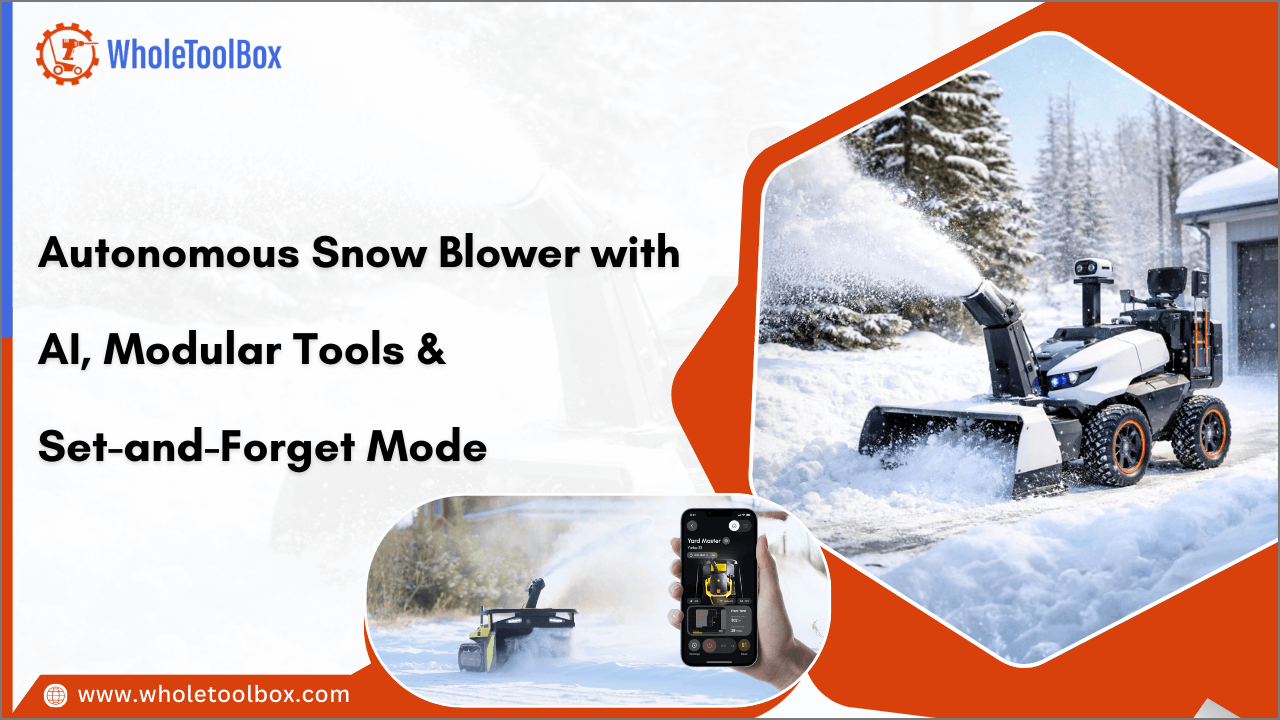
Autonomous Snow Blower with AI, Modular Tools & Set-and-Forget Mode
Winter snow removal is often time-consuming, physically demanding, and critical for safety. Traditional snow blowers require constant manual effort, but advances in technology are changing the game. AI-powered autonomous snow blowers combine intelligent automation, modular tools, and set-and-forget operation to simplify snow clearing for homes, businesses, and public spaces. These smart machines not only reduce labor and improve efficiency but also enhance safety and lower operational costs. In this article, we explore how these next-generation snow blowers work, their key features, benefits, and real-world applications.
How Intelligent Automation Makes Snow Removal Easier
Modern autonomous snow blowers combine AI, sensors, and smart automation to handle snow clearing with minimal human involvement. By integrating GPS mapping, cameras, and intelligent detection systems, these machines navigate properties safely and efficiently, transforming winter maintenance into a largely hands-off process. Key advantages include:
-
Intelligent Obstacle Detection: Advanced stereo vision, radar, and ultrasonic sensors identify people, pets, and objects in the robot’s path, allowing safe operation even in complex environments.
-
Optimized Route Planning: AI algorithms calculate the most efficient clearing path, pausing or rerouting automatically when obstacles are encountered.
-
Automated Scheduling: Robots can start clearing automatically based on weather data or pre-set schedules, ensuring your property is maintained without manual intervention.
-
Adaptability to Harsh Conditions: Designed to operate in severe winter weather, these machines handle icy surfaces and temperatures as low as –25°C, and navigate slopes up to 36% (≈21°) with ease.
-
Modular Functionality: Many units feature interchangeable modules, letting one base machine switch between snow clearing, lawn mowing, or leaf blowing. This year-round versatility reduces equipment costs and storage needs.
-
Hands-Free Operation: Self-charging and automated scheduling allow the robot to maintain your property continuously, freeing homeowners from routine shoveling tasks.
By combining these capabilities, intelligent snow blowers turn a traditionally labor-intensive chore into an automated, reliable, and cost-effective solution for year-round property maintenance.
Explore the future of snow removal: exploring advanced snow blower technology and how innovation is transforming winter maintenance
Customizable Clearing Modes for Different Surfaces
AI-powered autonomous snow blowers in 2026 are designed with specialized clearing modes to handle diverse terrains without damaging the machine or the property. Using advanced sensor fusion and intelligent terrain mapping, these robots automatically adjust their operation based on the specific surface and snow conditions. Refer to the image below for a visual overview of these modes.

Safety Reminder: Always verify surface mapping and clearing modes before operation. Inspect equipment regularly for ice buildup or wear, keep manual override accessible, and avoid use in extreme conditions or high-traffic areas without proper safety controls.
Key Features That Power Smarter Autonomous Snow Removal
Autonomous snow blowers come equipped with advanced features that make snow removal easier, safer, and more efficient. The table below highlights the key technologies and their benefits for smarter winter maintenance.
|
Feature |
Description |
Benefit |
|
Safety Systems |
Cameras, radar, bumpers, and emergency-stop functions detect hazards like pets, children, or obstacles. |
Reduces accident risk and ensures safe operation in residential or commercial settings. |
|
Eco-Friendly Electric Power |
Fully battery-powered operation with long run times and zero emissions. |
Lowers operating costs, reduces noise pollution, and supports environmentally responsible snow removal. |
|
Weather-Resistant Design |
Enclosures and components are built to resist snow, ice, moisture, and extreme cold. |
Ensures reliable performance and durability even in harsh winter conditions. |
|
Remote Monitoring & Alerts |
Smartphone or cloud-based app sends notifications on clearing progress, battery status, or issues. |
Let's users track operation, troubleshoot remotely, and maintain control without being on-site. |
|
Adjustable Throw Distance & Angle |
Ability to control how far and in which direction snow is thrown. |
Prevents snow from blocking walkways, driveways, or landscaping, improving efficiency and safety. |
|
LED Lights |
Integrated lights for low-light operation and reflective indicators. |
Enables safe night-time operation and improves visibility in early mornings or late evenings. |
Read about last-minute mistakes to avoid when using snow blowers this winter for safer and more reliable snow clearing
Real-World Applications of Autonomous Snow Blowers
Below are real-world environments where autonomous snow blowers are actively used or well-suited for deployment. These applications demonstrate how automated snow clearing supports accessibility, continuity, and reliability across different property types.
-
Residential Properties: Autonomous snow blowers keep driveways, sidewalks, and entryways clear during winter storms, especially in regions with frequent snowfall. They are well-suited for smart homes and properties that require reliable, hands-free snow removal.
-
Multi-Unit Housing Communities: Apartment complexes and gated communities use autonomous snow blowers to maintain shared walkways and access paths. Scheduled operation ensures consistent snow clearing across large residential properties.
-
Municipal Infrastructure: Cities deploy autonomous snow blowers on sidewalks, bike lanes, and pedestrian corridors that require frequent clearing. These machines support safer public access during prolonged winter conditions.
-
Government and Institutional Campuses: Universities, hospitals, and public facilities rely on autonomous snow blowers to maintain key routes between buildings.
-
Commercial Properties: Office parks and retail centers use autonomous snow blowers to clear snow during off-hours or before opening. This helps ensure access without disrupting daily business activities.
-
Light Industrial Facilities: Warehouses and logistics centers apply autonomous snow blowers to internal roads and operational access areas.
-
Transportation Facilities: Airports and transit depots use autonomous snow clearing on designated service routes and controlled areas.
Summary: Smarter, Safer, and More Efficient Snow Removal
Autonomous snow blowers use AI-driven automation to deliver reliable, hands-free snow removal across residential, commercial, and municipal environments. With surface-specific clearing modes and intelligent navigation, they ensure safe and efficient operation on driveways, sidewalks, and high-traffic areas. Modular designs enable year-round functionality beyond winter use, reducing overall equipment costs. Built-in safety sensors and set-and-forget operation minimize labor requirements while maintaining consistent accessibility and operational continuity during harsh winter conditions.
Key Takeaways:
-
AI automation enables fully autonomous, weather-responsive snow clearing with minimal human involvement.
-
Modular design allows one robotic platform to handle snow removal and other seasonal tasks year-round.
-
Surface-specific clearing modes improve precision on driveways, sidewalks, and high-traffic paths.
-
Built-in safety sensors reduce collision risk by detecting people, pets, and obstacles in real time.
-
Hands-free operation delivers reliable snow management for residential, commercial, and public spaces.
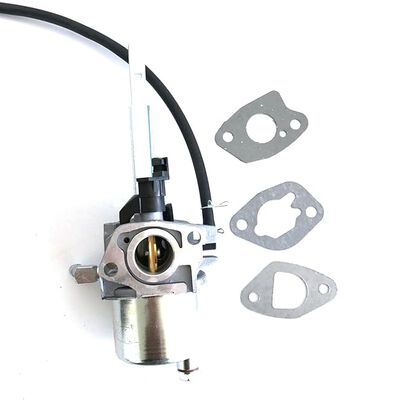
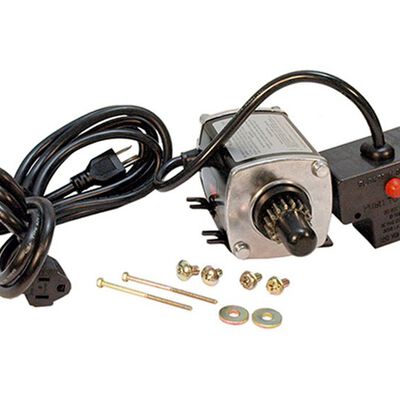
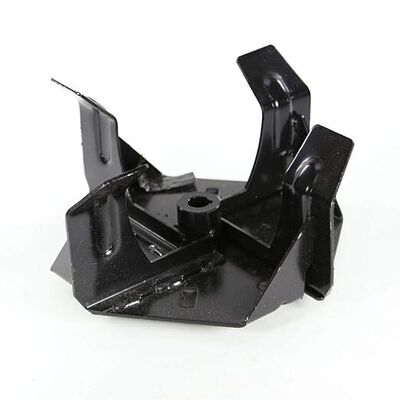
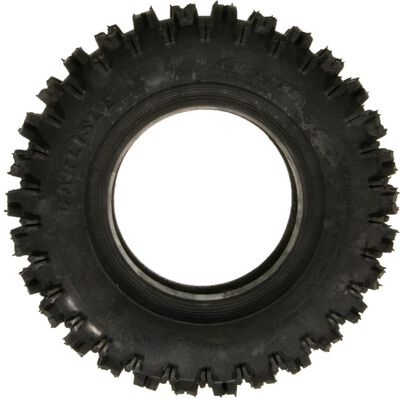
Buy high-quality snow blower parts today at WholeToolBox and keep your equipment performing at peak efficiency. We offer durable replacement components for leading brands like Poulan, Craftsman, and Ariens Company, including auger shafts, snow chains, and axle bushings built for long-lasting winter performance.
References:
https://micoolestthing.org/contestants/self-driving-snow-removal-robots/
https://www.unoosa.org/documents/pdf/icg/2022/ICG16/WG-B/ICG16_WG-B_19d.pdf
FAQs
How much snow can an electric snowblower handle?
Most electric snowblowers handle 6 to 12 inches of snow per pass, depending on model and motor power.
Which snowblower throws the snow the furthest?
Two-stage or high-powered electric models generally throw snow 20 to 30 feet, farther than single-stage units.
Which is better, a battery or an electric snow blower?
Battery snowblowers offer mobility, while corded electric units provide unlimited runtime; the choice depends on yard size and convenience.
What is the best month to buy a snowblower?
The best time to buy a snowblower is usually late summer to early fall, between August and October. Retailers often offer lower prices before peak winter demand, providing better selection and savings.