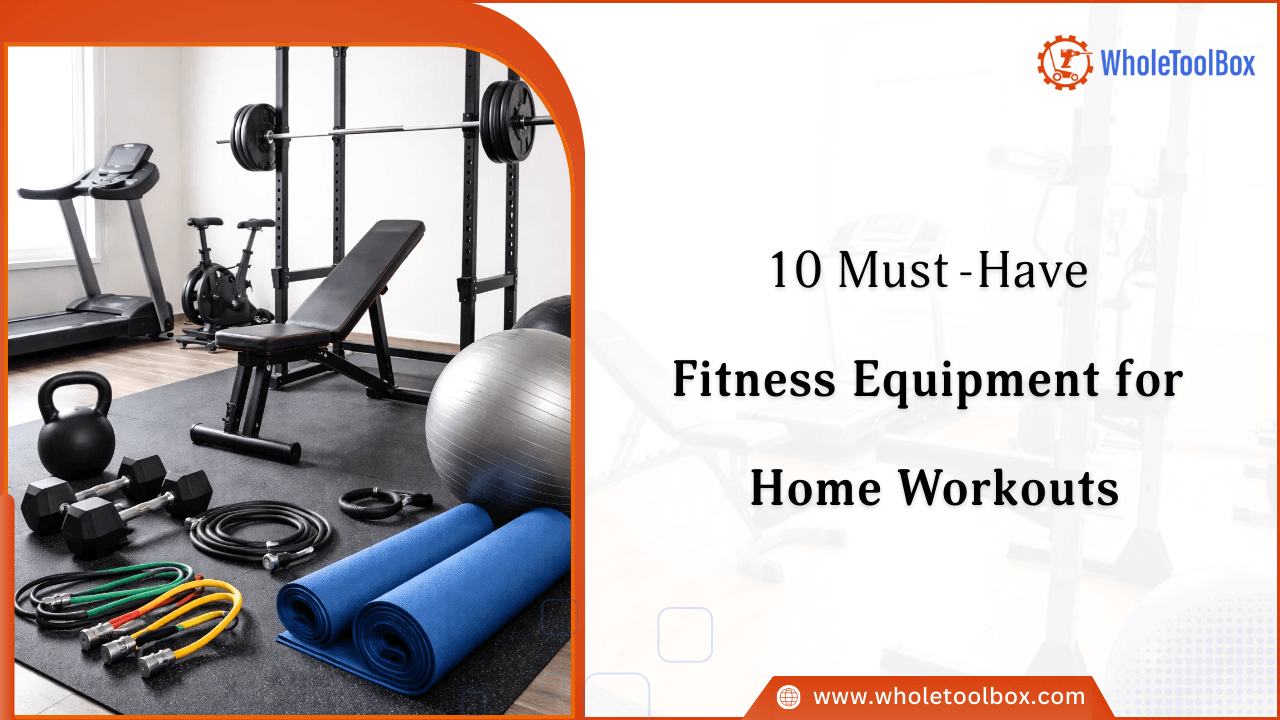
10 Must-Have Fitness Equipment for Home Workouts
Home workouts are more popular than ever, offering convenience, flexibility, and cost savings. Whether you’re short on time or prefer exercising at home, having the right fitness equipment for home can make all the difference. From building strength to boosting endurance, the right tools help you stay consistent and achieve your goals safely and effectively. In this article, we’ll explore 10 must-have fitness equipment for home gyms, explain how to choose the best fitness equipment for home, and highlight common mistakes to avoid for an effective home workout setup.
Why Home Workouts Are More Popular Than Ever
Home workouts have become a major trend, and for good reason. People are increasingly choosing to exercise at home because it fits modern lifestyles, offers flexibility, and can be tailored to individual needs. Here are some key reasons behind this shift, along with real-world examples:
-
Convenience and Time Savings: Exercising at home eliminates common obstacles, such as commuting, waiting for machines, or adjusting to crowded class schedules. This makes it easier to stick to a routine and fit workouts into busy days.
Example: A busy professional can do a 20-minute HIIT session in their living room before starting work, saving the hour that would have been spent traveling to and from a gym. Parents can squeeze in quick yoga or strength sessions while their children nap, something difficult in a traditional gym setting.
-
Cost-Effectiveness: Home workouts reduce reliance on expensive gym memberships and studio classes, making fitness more affordable. Many programs and apps provide guidance at little or no cost.
Example: Platforms like YouTube fitness channels offer structured workouts for free. A small investment in equipment like resistance bands or dumbbells can replace the need for a costly gym membership entirely.
-
Personalized and Private Environment: At home, individuals can customize workouts to suit their skill level, goals, or comfort without distractions or judgment from others.
Example: Beginners may feel self-conscious practicing yoga or pilates in a crowded gym, but at home, they can focus on their own pace. People recovering from injuries can safely follow low-impact exercises without worrying about gym schedules or supervision.
-
Digital Fitness Technology: Smart devices and apps have transformed home workouts, providing structured guidance, progress tracking, and interactive sessions that mimic studio classes.
Example: Peloton bikes, mirror systems, and smart treadmills offer live or on-demand spin, strength, or cardio classes. Users can follow instructors in real time and monitor their progress without leaving home.
-
Adaptable to Busy Lifestyles: Home workouts can be scheduled around personal or professional commitments, offering unmatched flexibility for irregular or unpredictable schedules.
Example: A freelancer can fit a 15-minute bodyweight circuit between client calls, while night-shift workers can exercise at unconventional hours without worrying about gym availability.
Overall, home workouts combine flexibility, affordability, privacy, and technology, making them a sustainable fitness choice. These factors explain why exercising at home is no longer a temporary trend, but a permanent part of many people’s health routines.
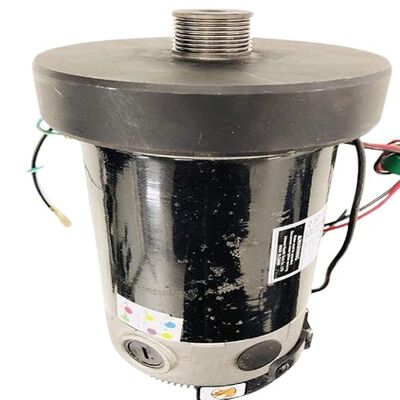
Explore premium fitness equipment parts at WholeToolBox. We offer bench parts, bike parts, elliptical parts, treadmill parts, and strength system parts to keep your home gym running smoothly. Shop Vision Fitness replacement parts to maintain peak performance and longevity.
| Disclaimer: This content is for guidance only. Consult a healthcare or fitness professional before starting any exercise program. |
10 Essential Fitness Equipment for Your Home Workout
Building an effective home gym requires equipment that delivers versatility, space efficiency, and long-term usability. The following must-have fitness equipment for home workouts supports strength, cardio, mobility, and stability without requiring excessive space or investment:
-
Dumbbells: Dumbbells are a core component of any home gym due to their versatility and scalability. They support gradual strength progression and are suitable for users at all fitness levels, making them a long-term investment for home training.
-
Resistance Bands: Resistance bands are compact, affordable, and easy to store, making them ideal for small spaces. They complement free weights and are commonly used for warm-ups, mobility work, and low-impact training.
-
Kettlebells: Kettlebells are designed for functional, movement-based training. Their unique shape allows fluid motion patterns and makes them especially effective for workouts that combine strength and conditioning.
-
Jump Rope: A jump rope offers a simple and space-efficient cardio solution. It is easy to store, travel-friendly, and suitable for short, high-intensity sessions when time or space is limited.
-
Exercise / Yoga Mat: An exercise mat provides essential floor protection and comfort. It creates a dedicated workout surface for stretching, mobility routines, and bodyweight training while also protecting the flooring.
-
Pull-Up Bar: Pull-up bars add vertical training capability without occupying floor space. Door-mounted or wall-mounted options make them practical for apartments or shared living spaces.
-
Adjustable Weight Bench: An adjustable bench expands workout variety by supporting multiple body positions. It enhances safety and comfort during strength training and pairs well with free weights.
-
Cardio Machine (Treadmill or Stationary Bike): Cardio machines deliver consistent workouts regardless of your schedule, and using high-quality fitness bike parts for home workouts helps keep your equipment safe, reliable, and performing at its best.
-
Power Rack / Squat Stand: Power racks and squat stands are foundational for serious strength training. They improve safety during heavy lifts and allow progressive loading in a controlled home environment.
-
Stability (Swiss) Ball: A stability ball adds balance-focused training to a home gym. It is lightweight, affordable, and easy to store, making it a practical accessory for improving movement control and posture.
Targeted Muscles and Sample Exercises by Equipment
Below is a quick reference table showing 10 essential home workout equipment, along with the muscles they target and sample exercises you can perform with each. Use this guide to plan effective full-body workouts at home, whether you’re a beginner or advanced trainer.
|
Equipment Name |
Targeted Muscles |
Sample Exercises |
|
Dumbbells |
Chest, shoulders, biceps, triceps, back, quads, hamstrings, glutes, core |
Bicep curls, shoulder press, chest press, lunges, goblet squats, bent-over rows |
|
Resistance Bands |
Glutes, shoulders, chest, back, arms, hips, core |
Band squats, lateral walks, chest press, rows, shoulder pull-aparts, assisted pull-ups |
|
Kettlebell |
Glutes, hamstrings, quads, core, shoulders, back |
Kettlebell swings, goblet squats, deadlifts, clean and press, Turkish get-ups |
|
Jump Rope |
Calves, quads, hamstrings, glutes, shoulders, core |
Basic jumps, high knees, interval skipping, endurance jump sessions |
|
Exercise / Yoga Mat |
Core, hips, glutes, lower back, full body |
Planks, crunches, leg raises, yoga flows, stretching routines |
|
Pull-Up Bar |
Lats, upper back, biceps, shoulders, core |
Pull-ups, chin-ups, hanging leg raises, assisted pull-ups |
|
Adjustable Weight Bench |
Chest, shoulders, arms, back, core, legs |
Bench press, incline press, seated shoulder press, step-ups |
|
Cardio Machine (Treadmill / Bike) |
Legs, glutes, calves, cardiovascular system |
Walking, running, cycling, interval training, endurance workouts |
|
Power Rack / Squat Stand |
Quads, hamstrings, glutes, chest, back, shoulders, core |
Barbell squats, bench press, overhead press, rack pulls |
|
Stability (Swiss) Ball |
Core, lower back, hips, glutes |
Ball crunches, planks, glute bridges, wall squats |
| Safety Notice: Use all fitness equipment carefully, maintain proper form, progress gradually, ensure your setup is secure, and stop immediately if you feel pain, dizziness, or discomfort. Always exercise in a safe, uncluttered space and follow manufacturer instructions for each device. |
How to Choose the Best Fitness Equipment for Home
Creating a fitness setup that fits your space, budget, and goals doesn’t have to be complicated. Choosing the right equipment ensures you stay motivated, safe, and consistent. Refer to the image below for an effective home workout setup.

Common Mistakes to Avoid When Building a Home Workout Setup
When setting up a home gym, beginners often make simple mistakes that can affect safety, efficiency, and cost. Below are the most common pitfalls:
-
Overlooking Space Requirements: Always measure your room, including floor area, ceiling height, and doorways, before buying equipment. Crowded setups can limit movement and increase the risk of injury during exercises like kettlebell swings or treadmill workouts.
-
Choosing Cheap or Low-Quality Gear: Inexpensive equipment may wear out quickly or fail under heavy use, posing safety risks. Always check for fitness equipment replacement parts availability.
-
Focusing on Single-Purpose Equipment: Avoid buying trendy gadgets that only serve one exercise. Choose versatile gear like adjustable dumbbells, barbells, or multi-use machines to maximize workout options and value.
-
Neglecting a Budget Plan: Home gyms can quickly become expensive without careful planning. Set a realistic budget and buy equipment in phases to avoid overspending and ensure you have essentials covered first.
-
Ignoring Flooring and Storage Needs: Use rubber mats or interlocking tiles to protect floors and reduce noise. Keep equipment organized with racks, hooks, or shelves to maintain a safe and functional workout space.
Summary: Build an Effective Home Gym and Stay Consistent
Building an effective home gym involves making informed equipment choices, maintaining it properly, and creating a well-planned setup to support consistent workouts. Selecting versatile fitness equipment for the home, including cardio machines and strength training tools, ensures safety, optimal performance, and long-term usability. Regularly maintaining machines with high-quality fitness treadmill parts and other replacement components keeps your equipment reliable and extends its lifespan.
Key Takeaways:
-
Measure your space and set a realistic budget before buying equipment.
-
Match fitness equipment to your specific goals: strength, cardio, or flexibility.
-
Prioritize versatile, multi-use gear for maximum value and efficiency.
-
Invest in durable, high-quality equipment for safety and longevity.
-
Avoid common mistakes like overcrowding, cheap gear, or single-purpose machines.
-
Plan flooring, storage, and layout to maintain a safe and organized home gym.
FAQs
What is the minimum space required to set up a functional home gym?
A functional home gym can fit in 6×6 to 8×8 feet. This provides enough room for a yoga mat, dumbbells, resistance bands, and safe movement for exercises like squats, lunges, and push-ups.
Can I get a full-body workout at home without heavy machines?
Yes. Using bodyweight exercises, dumbbells, kettlebells, and resistance bands, you can train all major muscle groups. Adding cardio like jump rope or high-intensity circuits ensures a complete workout.
How much should a beginner spend on home workout equipment?
Beginners can start with $100–$300 for essentials like dumbbells, resistance bands, a stability ball, and a yoga mat. Focus on versatile, multi-use equipment to get the most value.
Which home fitness tools are best for weight loss and toning?
Tools like dumbbells, kettlebells, resistance bands, jump ropes, and stability balls are ideal. Combining them with high-rep strength moves and cardio routines helps burn calories and improve muscle tone.
How often should home workout equipment be replaced or upgraded?
Inspect equipment regularly. Replace bands every 1–2 years, and consider upgrading dumbbells, kettlebells, or machines every 3–5 years, depending on use and wear.