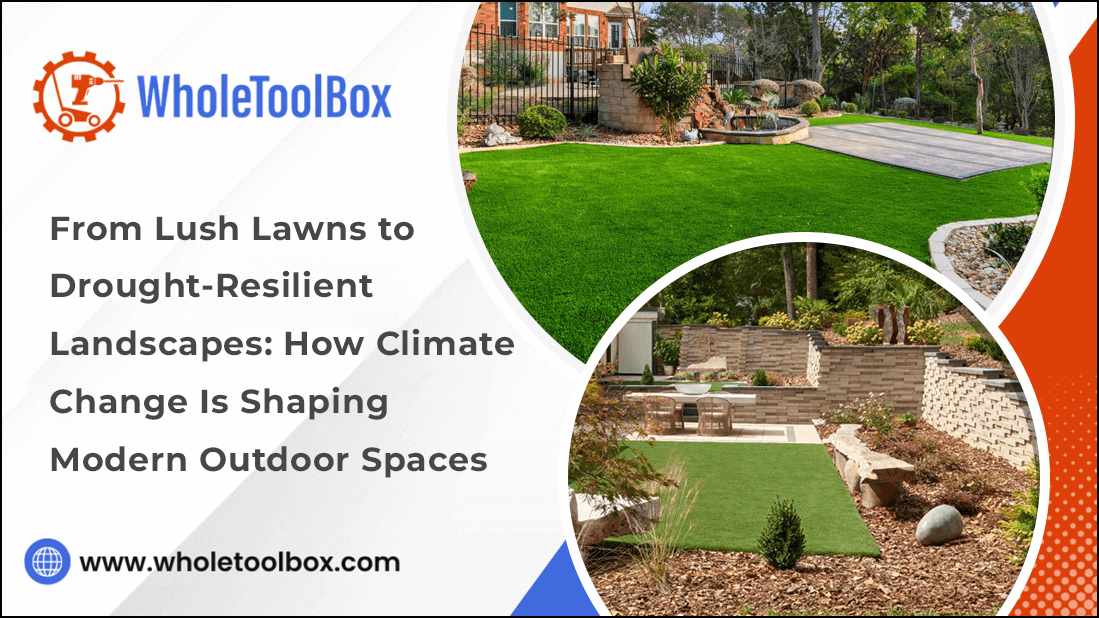
From Lush Lawns to Drought-Resilient Landscapes: How Climate Change Is Shaping Modern Outdoor Spaces
For years, lush green lawns have defined the ideal yard, but climate change is reshaping that vision. With hotter temperatures, longer droughts, and tighter water restrictions, traditional lawns are becoming unsustainable and expensive to maintain. In response, more homeowners and landscape professionals are embracing drought-resistant solutions that balance aesthetics with sustainability.
These new outdoor spaces often feature native or low-water plants, smart irrigation, and eco-friendly materials that reduce water use and maintenance. This shift reflects a growing need to adapt our environments to a changing climate. By reimagining outdoor design, we’re not only protecting natural resources but also creating attractive, resilient landscapes that are built to thrive in today's and tomorrow's conditions.
How Climate Change and Drought Are Impacting Traditional Lush Lawns
Traditional lush lawns are increasingly difficult to maintain as climate change accelerates and drought conditions become more frequent and severe. These environmental shifts are reshaping the way we think about lawn care and outdoor spaces:
-
Rising Temperatures: Hotter summers lead to faster evaporation of water from soil and grass, thereby increasing the need for constant irrigation to maintain healthy lawns.
-
Prolonged Drought Periods: Extended dry spells reduce natural water availability, making it nearly impossible to sustain water-hungry grasses without excessive watering.
-
Water Use Restrictions: Many municipalities impose watering limits during drought, forcing homeowners to reduce irrigation or face penalties, which often results in brown, patchy lawns.
-
Decreased Grass Health: Heat and water stress weaken grass, making it less resistant to foot traffic, pests, and diseases.
-
Higher Maintenance Requirements: Maintaining a lush lawn in these conditions demands more frequent watering, fertilization, and pest control efforts that raise costs and environmental impacts.
-
Environmental Concerns: Overwatering lawns during drought strains local water supplies and can lead to runoff that pollutes nearby waterways.
Given these challenges, traditional lush lawns are becoming less practical, encouraging a transition toward landscapes that require less water and care, better suited to the realities of our changing climate.
The Evolving Landscape: Moving from Traditional Lawns to Climate-Resilient Yards
Outdoor spaces are shifting to meet the demands of a changing climate. This evolution focuses on sustainability and resilience, transforming the traditional lawn into something new.
Key aspects of this evolution:
-
Changing Lawn Aesthetics: Homeowners are moving away from uniform green grass toward diverse, textured landscapes that incorporate native and drought-tolerant plants, reflecting a new aesthetic aligned with environmental needs.
-
Prioritizing Water Efficiency: Climate-resilient yards use plants and irrigation techniques designed to minimize water consumption, replacing the water-heavy maintenance traditional lawns require.
-
Supporting Local Ecosystems: The shift involves planting species that promote biodiversity, helping to restore habitats for pollinators and other wildlife often absent in traditional lawn settings.
-
Lower Maintenance Demands: These evolving landscapes reduce the need for frequent mowing, fertilizing, and pesticide use, making yard care more sustainable and less labor-intensive.
-
Resilience to Climate Extremes: Selecting plants and materials adapted to local weather patterns ensures yards can better survive heatwaves, droughts, and other climate stresses without deteriorating.
-
Incorporating Sustainable Materials: Beyond plants, the use of eco-friendly materials such as permeable paving, recycled mulch, and natural stone supports environmental goals while enhancing landscape functionality.
This transformation marks a meaningful departure from traditional lawns, creating outdoor spaces designed for the environmental realities of today and the future.
Key Elements of Outdoor Spaces Designed for a Changing Climate
Creating resilient outdoor spaces is no longer optional—it’s essential.
As climate conditions shift, landscapes must be built to adapt and endure.
-
Zoning Outdoor Areas by Microclimate: Dividing spaces based on sun, shade, wind exposure, and water runoff helps place plants and features where they’ll thrive with minimal intervention.
-
Incorporating Fire-Resistant Plants and Materials: With wildfires on the rise, especially in dry regions, choosing non-flammable plants and hardscaping materials adds an extra layer of climate resilience.
-
Creating Rain Gardens and Bioswales: These features capture and filter stormwater, reduce erosion, and support pollinators while enhancing visual appeal.
-
Designing for Passive Cooling and Airflow: Positioning trees, walls, or structures to direct breezes or shade windows helps cool adjacent indoor areas naturally.
-
Edible Landscaping: Growing drought-tolerant herbs, fruits, and vegetables reduces reliance on industrial food systems and makes outdoor spaces more productive.
-
Minimal Turf "Islands" for Function, Not Filler: Where grass is necessary (e.g., for kids or pets), limiting it to small, purposeful zones cuts water use without losing utility.
These strategies go beyond survival—they help landscapes thrive in uncertain climates.
Check out this article on revive your lawn: aeration and overseeding secrets for thick, green grass to explore expert tips for transforming patchy lawns into lush, vibrant turf.
The Rise of Drought-Resilient and Climate-Adaptive Landscapes
Climate change is accelerating the move toward sustainable landscaping. Drought-resilient designs now help conserve water, reduce maintenance, and support healthier ecosystems.
Key Features of Drought-Resilient Landscapes
-
Native and Adapted Plants: Using species naturally adapted to local climates reduces the need for supplemental watering and chemical inputs.
-
Xeriscaping: A landscaping method that emphasizes drought-tolerant plants and efficient irrigation techniques.
-
Soil Health Management: Incorporating organic matter and mulches to improve soil water retention.
-
Smart Irrigation Systems: Using drip irrigation, moisture sensors, and timers to minimize water waste.
-
Hardscaping Elements: Incorporating permeable paving, rock gardens, and other low-water features to reduce planted areas.
Popular Drought-Resistant Plants
-
Succulents: Agave, aloe, and sedum thrive with minimal water.
-
Grasses: Buffalo grass and blue grama grass require less irrigation than traditional turf.
-
Flowering Shrubs: Lavender, Russian sage, and California lilac offer color and resilience.
-
Trees: Mesquite, palo verde, and native oaks provide shade and habitat without excessive water needs.
Explore this article on drought stress in lawns: what it looks like and how to prevent It. to learn how to spot the signs early and keep your grass healthy during dry spells.
Comparing Traditional Lawns and Drought-Resilient Landscapes in a Changing Climate
As climate change creates hotter, drier conditions, our outdoor spaces must evolve. This comparison highlights how traditional lawns and drought-resilient landscapes differ in meeting today’s environmental challenges.
|
Aspect |
Traditional Lush Lawns |
Drought-Resilient Landscapes |
|
Climate Adaptability |
Poor struggle under hotter, drier conditions |
Designed to thrive amid rising temperatures and drought |
|
Water Use Efficiency |
High water consumption, unsustainable in drought-prone areas |
Uses native and low-water plants to conserve water |
|
Environmental Impact |
High overwatering causes runoff and pollution |
Supports soil health, biodiversity, and reduces water waste |
|
Aesthetic Evolution |
Uniform green lawn seen as ideal |
Embraces diverse textures, colors, and natural beauty |
|
Maintenance Needs |
High requires frequent watering, mowing, and chemicals |
Low irrigation, minimal mowing, fewer chemicals |
|
Resource Cost |
Expensive to maintain with rising water costs |
Cost-effective due to reduced resource demands |
|
Resilience to Climate Change |
Vulnerable to drought and heat stress |
Built to endure and adapt to changing climate conditions |
This comparison highlights why many homeowners and landscapers are rethinking outdoor spaces, embracing designs that are not only appealing but also climate-smart and resource-efficient.
Practical Tips for Designing Climate-Resilient and Sustainable Outdoor Spaces
Here are some fresh, practical ideas to support the shift from traditional lawns to drought-resilient outdoor spaces shaped by climate change:
-
Experiment with Soil Aeration and Amendment: Improve water absorption by regularly aerating compacted soils and adding organic matter to boost moisture retention.
Tip: Use a core aerator tool seasonally to reduce runoff and help roots grow deeper. -
Incorporate Seasonal Rainwater Gardens: Design low-lying garden areas that temporarily hold and slowly absorb rainwater, reducing irrigation needs and preventing erosion.
Tip: Plant native moisture-loving species in these gardens to maximize effectiveness. -
Use Shade Cloths and Temporary Covers: During extreme heat waves, protect vulnerable plants with breathable shade cloths to reduce water loss and heat stress.
Tip: Install adjustable covers that can be removed when cooler weather returns. -
Apply Soil Wetting Agents for Better Hydration: Use environmentally safe soil wetting agents to improve water penetration and reduce pooling or runoff in clay or sandy soils.
Tip: Apply before planting or at the start of the irrigation season for best results. -
Incorporate Edible Drought-Resilient Plants: Add drought-tolerant herbs and vegetables (like rosemary, thyme, or kale) to blend function with sustainability in your landscape.
Tip: Harvest regularly to encourage growth and conserve water by mulching around edible plants. -
Create Contour Landscaping for Water Management: Shape your yard with gentle slopes and swales that direct rainwater to plant beds, maximizing natural irrigation.
Tip: Consult with a landscape designer to ensure proper grading for water flow. -
Use Reflective or Light-Colored Mulch to Reduce Soil Heat: Instead of traditional dark mulch, opt for lighter, reflective mulch materials to keep soil cooler and reduce evaporation.
Tip: Try crushed shells, light-colored gravel, or straw as alternatives.
Final Thoughts
As climate change continues to challenge traditional gardening norms, the shift from lush lawns to drought-resilient landscapes becomes essential for sustainable outdoor living. Embracing drought-tolerant plants and water-smart design not only conserves precious resources but also creates beautiful, functional spaces that thrive in changing conditions.
By rethinking how we design and maintain our yards, we contribute to healthier ecosystems and a more resilient environment. This transformation reflects a growing awareness that modern outdoor spaces must adapt to ensure longevity, efficiency, and harmony with the natural world.
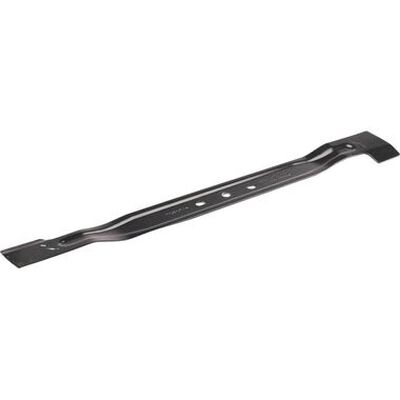
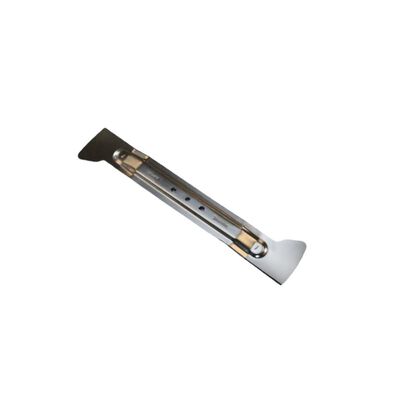
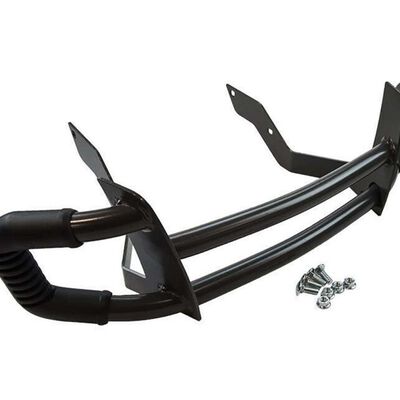
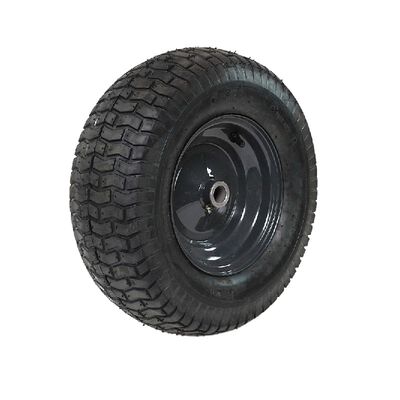
Looking for quality parts to keep your lawn equipment in top shape? WholeToolBox offers a wide selection of high-quality lawn mower parts, lawn tractor parts, lawn trimmer parts, and lawn tiller parts from leading brands like Honda, Briggs & Stratton, and Toro. Keep your outdoor tools running smoothly and your lawn looking perfect all season long!
References:
https://www.pbs.org/
https://www.theenvironmentalblog.org/
FAQs
Why do urban planning policies play a crucial role in adopting drought-resilient outdoor spaces?
Urban planning policies set the rules and incentives that encourage sustainable landscaping practices. They help communities adopt drought-resilient designs faster by promoting water conservation and eco-friendly standards.
How can technology innovations further enhance climate-adaptive landscaping?
Emerging technologies like AI-powered irrigation controllers and soil sensors optimize watering schedules, reduce waste, and help landscapes adapt dynamically to changing weather.
How can homeowners measure the long-term cost savings of switching to drought-resilient landscapes?
By tracking reduced water bills, lower maintenance expenses, and increased property value due to sustainable design, homeowners can quantify financial benefits over time.