Revive Your Lawn: Aeration and Overseeding Secrets for Thick, Green Grass
Many homeowners aim for a lush, green lawn, but achieving it takes more than just consistent watering and mowing. Two essential lawn care methods, aeration and overseeding, can help restore your yard’s health and appearance. Aeration helps break up compacted soil, enabling air, water, and nutrients to penetrate the grassroots more efficiently. Overseeding involves spreading new grass seed over bare or thin spots, encouraging a denser and healthier lawn. In this article, we’ll share key tips on how to properly aerate and overseed your lawn, helping you achieve a vibrant, green yard. Whether you're new to lawn care or experienced, these strategies can help your grass thrive year-round.
The Importance of Aeration and Overseeding for a Lush Lawn
Aeration and overseeding are essential lawn care techniques that work hand-in-hand to create a thicker, healthier, and more vibrant lawn. Understanding how these techniques benefit your yard can assist you in keeping a beautiful outdoor space all year round.
Aeration entails perforating the soil to decrease compaction and facilitate easier access for air, water, and nutrients to the roots. This aids in the strengthening and deepening of the roots.
Overseeding involves the application of new grass seed onto your current lawn in order to address sparse or bald patches. This encourages new grass growth and improves the lawn’s density and resilience.
Here’s why these practices are important:
-
Enhances Soil Quality: By aerating, the soil is loosened from compaction, facilitating root absorption of nutrients and oxygen.
-
Enhances Water and Fertilizer Absorption: Improved soil penetration enables water and nutrients to access the grassroots more efficiently.
-
Promotes Thicker Turf: Overseeding fills empty spots, creating a fuller and more lush lawn.
-
Reduces Weed and Pest Problems: A dense lawn is healthier and less vulnerable to unwanted weeds and insects.
-
Speeds Up Lawn Recovery: Overseeding helps repair damage caused by wear, drought, or pests.
Your grass will flourish and remain green throughout the season if you combine aeration and overseeding.
When and How to Aerate Your Lawn for Best Results
Timing and technique are crucial for successful lawn aeration. Knowing when to aerate depends on your grass type and climate, ensuring your lawn recovers quickly and thrives.
Ideal Times to Aerate:
-
Early spring or early fall is the ideal time to aerate cool-season grasses, such as ryegrass, fescue, and bluegrass.
-
Bermuda, St. Augustine, and zoysia are examples of warm-season grasses that benefit most from aeration in late spring or early summer.
-
Avoid aerating during very hot or dry spells to prevent stressing your grass.
Proper Aeration Tips:
-
Choose a core aerator that removes small soil plugs, which helps relieve soil compaction more effectively than spike aerators.
-
Aerate when the soil is damp but not soaked, making it easier to extract soil cores without causing damage.
-
While focusing on compacted or heavily used spots is important, aerate the entire lawn to improve overall soil condition.
-
To restore nutrients to the soil, let the soil plugs that are left on the surface break down organically.
Following these guidelines helps your lawn absorb water and nutrients better, encourages root development, and prepares your yard for overseeding and fertilization.
Explore this article on the best time to apply weed and feed your lawn to discover the ideal seasons, methods, and products that ensure effective weed control while nourishing your grass for a lush, healthy yard.
Effective Overseeding Techniques to Boost Lawn Growth
Overseeding is a simple and effective method to thicken your lawn and boost its overall health. By introducing new grass seed, you can fill in bare or sparse areas, making your lawn stronger against weeds, pests, and diseases. Here are some essential techniques to help you achieve successful overseeding:
-
Select the Right Grass Seed: Choose seeds that match your current lawn type and suit your region’s climate and soil.
-
Prepare Your Lawn: Cut your grass shorter than usual and clear away debris or thatch to create a good environment for seeds to contact the soil.
-
Aerate Before Seeding: Aeration opens up the soil, allowing seeds to settle in better and develop strong roots.
-
Evenly disperse Seeds: For steady growth, evenly disperse seeds around your lawn using a spreader.
-
Press Seeds Into Soil: To encourage germination, gently rake or roll the area to help seeds make good contact with the soil.
-
Maintain Moisture: Water the lawn regularly to keep the soil damp (but not soaked) until the new grass sprouts, usually within 2 to 3 weeks.
-
Reduce Foot Traffic: To preserve the delicate new grass, refrain from walking on the lawn at this time.
You may have a thicker, healthier grass that looks fantastic all year long by following these tips.
Check out this article on lawn fertilizer: when and how to apply it for optimal results to learn expert tips on timing, application techniques, and choosing the right fertilizer for a healthy, vibrant lawn year-round.
Best Lawn Care Practices After Aeration and Overseeding
Taking good care of your lawn after aeration and overseeding is crucial to help the grass grow strong and healthy. The following crucial actions should be taken for the greatest outcomes:
-
Maintain Consistent Moisture: Water frequently, but don't overwater, to keep the soil uniformly moist. This encourages seed germination and root development without causing waterlogging or fungal problems.
-
Mow Carefully: When the new grass reaches around 3 inches in height, mow it gently, cutting no more than one-third of the blade length to avoid stressing the young grass.
-
Delay Fertilizing: Hold off on applying fertilizer for about a month or more after overseeding to prevent harming the new grass. When you do fertilize, choose a slow-release, balanced formula.
-
Be Cautious with Weed Control: Avoid using strong herbicides immediately after overseeding. Do not treat weeds until the grass has taken root.
-
Monitor Your Lawn: Regularly check for signs of pests, diseases, or dry patches and address any problems early to support healthy growth.
Following these tips will help your lawn recover well and develop into a thick, vibrant turf.
How to Overcome Common Lawn Challenges Post-Aeration and Overseeding
Even after properly aerating and overseeding, your lawn might face some issues as it recovers. Your grass will grow thicker and healthier if you are aware of these issues and know how to handle them.
-
Patchy Germination: Seeds may not sprout evenly, causing thin or bare spots. This often results from uneven seed application or irregular watering. To resolve this, reseed the bare patches and consistently keep the soil moist while the seeds germinate.
-
Soil Crusting: After rainfall or watering, a tough layer can form on the soil surface, making it difficult for seedlings to break through. Gently loosening this crust with a rake or garden fork helps young grass emerge more easily.
-
Thatch Accumulation: An excessive amount of thatch can form a barrier that prevents the roots from absorbing water and nutrients. The soil remains accessible and healthy with regular dethatching with a rake or other specialized tools.
-
Fungal Problems: Overseeded lawns may develop fungal infections like mold or rust, especially in damp conditions. These problems can be avoided by improving airflow by removing surrounding plants and refraining from late-day irrigation.
-
Animal Interference: Birds and small animals may disturb freshly seeded areas by digging up seeds. Using lightweight netting or natural deterrents can protect the seeds until the grass is established.
Addressing these concerns promptly will support a thriving lawn after aeration and overseeding.
Tips for Maintaining a Healthy Lawn After Aeration and Overseeding
Caring for your lawn properly after aeration and overseeding is key to helping new grass establish and thrive. By following these guidelines, you may encourage robust development and maintain a lush, healthy lawn throughout the season.
Proper Watering
-
To prevent disease, keep the soil constantly moist, but do not drench it.
-
Throughout seed germination, water sparingly and frequently before progressively switching to deeper, less frequent irrigation.
-
Water first thing in the morning to cut down on evaporation and lower the chance of fungal issues.
Mowing Techniques
-
Wait to mow until the young grass is about three inches tall.
-
To prevent straining young shoots, only trim a third of the grass blade when mowing.
-
Ensure mower blades are sharp to make clean cuts and promote healthy growth.
Fertilizing Guidelines
-
Delay fertilizing for 4 to 6 weeks after overseeding to avoid damaging tender new grass.
-
After the grass is more established, apply a slow-release, balanced fertilizer.
-
High-nitrogen fertilizers might cause burns or stress, so stay away from them right after seeding.
Controlling Weeds
-
Refrain from using herbicides until the new grass has been mowed several times and is strong enough.
-
Use manual methods like hand-pulling to manage weeds during this vulnerable period.
-
Encourage a thick, healthy lawn that naturally limits weed growth.
Lawn Protection
-
Limit foot traffic on the lawn to protect delicate seedlings.
-
Until the new grass is established, keep kids and pets away from it using temporary signs or barriers.
-
Check regularly for signs of pests or diseases and address them early.
Ongoing Maintenance
-
Aerate the soil once a year to enhance root growth and lessen compaction.
-
To keep a dense, healthy grass, overseed worn or thin sections as necessary.
-
Stick to a consistent mowing and watering routine to support long-term lawn vitality.
Final Thoughts
Reviving your lawn through proper aeration and overseeding is a proven way to achieve a thick, vibrant, and healthy yard. By loosening compacted soil and introducing fresh grass seed, these techniques work together to improve root growth, enhance nutrient absorption, and fill in bare spots. With consistent care—such as regular watering, careful mowing, and timely fertilizing—you can maintain a lush lawn that stands strong against weeds, pests, and environmental stress. Implementing these secrets will help you enjoy a beautiful green space that boosts your home's curb appeal and provides a welcoming outdoor environment year-round.
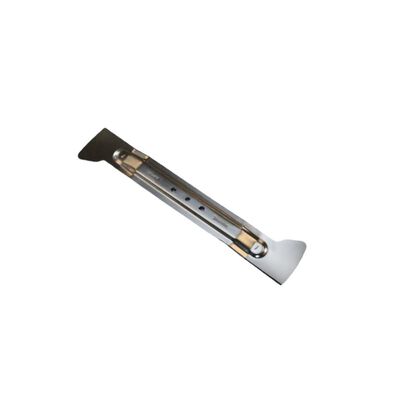
Looking to revive your lawn with the best tools? WholeToolBox offers top-quality aerators, lawn mower parts, and lawn tractor parts to help you achieve that thick, green grass you desire. Choose from trusted brands like Toro, Scotts, and Husqvarna, all available at WholeToolBox, to make your lawn care effortless and effective!
FAQs
How often should I aerate my lawn?
Most lawns benefit from aeration once a year, especially those with heavy foot traffic or compacted soil. However, highly compacted lawns might need aeration twice a year.
Can I overseed without aerating?
While overseeding can be done without aeration, aerating first greatly improves seed-to-soil contact, leading to better germination and stronger grass growth.
How long does it take for overseeded grass to grow?
New grass seeds usually germinate within 7 to 21 days, depending on the grass variety and environmental conditions. Consistent watering and proper care speed up this process.
What are the signs that my lawn needs aeration?
Signs include soil compaction, pooling water, thinning grass, and increased weed growth. If your lawn feels hard or spongy underfoot, it’s likely time to aerate.
Will aeration and overseeding help with weed control?
Yes, a thicker, healthier lawn from overseeding crowds out weeds and reduces their chances of taking hold. Aeration improves soil conditions that support strong grass growth, making weeds less competitive.