Top 10 Common Lawn Mower Engine Problems and How to Fix Them
Lawn mower engines may experience a range of issues that impact their performance and dependability. Whether your mower fails to start, runs roughly, or stalls without warning, these problems usually stem from common engine faults. Learning to identify and address these issues can help you save time, money, and avoid frustration. In this article, we’ll walk you through the top 10 most common lawn mower engine problems and provide easy-to-follow solutions to get your mower back in working order quickly. With these tips, you’ll be equipped to troubleshoot and repair your motor mower parts like a pro, keeping your lawn maintenance smooth and hassle-free.
What Causes Common Lawn Mower Engine Problems?
Lawn mower engines endure wear and tear from frequent use and exposure to the elements. Knowing the typical causes of problems can help you prevent damage and maintain smooth operation.
Here are the main causes of common lawn mower engine problems:
-
Dirty or Clogged Air Filter: Dust and debris block airflow, causing the engine to run poorly or stall.
-
Old or Contaminated Fuel: Stale gasoline can gum up the carburetor and fuel lines, leading to hard starts or poor engine performance.
-
Faulty Spark Plug: The mower is difficult to start when the spark plug is worn out or fouled, which prevents proper ignition.
-
Carburetor Issues: Dirt buildup or improper adjustments in the carburetor can disrupt fuel and air mixture, causing rough idling or stalling.
-
Blocked Fuel Filter: A clogged filter restricts fuel flow, which affects engine power and reliability.
-
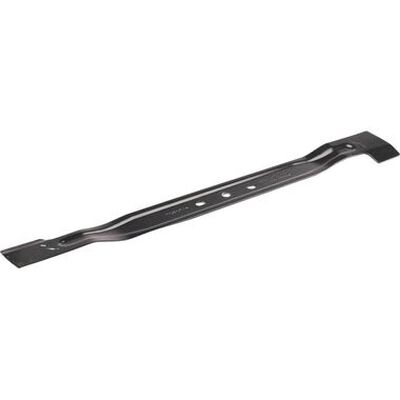
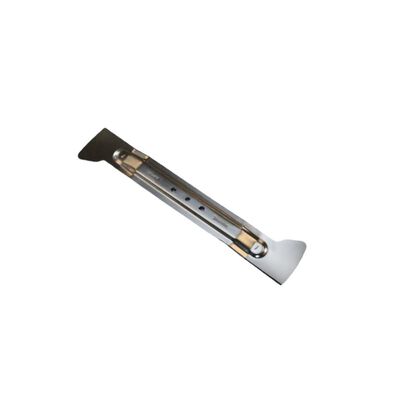
Dirty or Damaged Blade: While not an engine part, a damaged blade can strain the engine, leading to overheating or vibration problems.
-
Overheating: Insufficient cooling from dirt buildup around the engine can cause it to overheat and fail prematurely.
-
Fuel Line Problems: Cracks or leaks in fuel lines can cause fuel delivery issues or safety hazards.
-
Old or Worn Engine Parts: Over time, engine components such as valves, pistons, or seals can wear out, resulting in reduced performance or breakdowns.
Many of these frequent problems can be avoided with prompt access to motor repair parts and routine maintenance, keeping your mower in peak shape.
Looking to keep your lawn mower in perfect shape? WholeToolBox offers top-quality spark plugs, air filters, and carburetors from leading brands like Briggs & Stratton, Honda, and Toro. Find everything you need to fix and maintain your mower efficiently, all in one place!
How to Diagnose Common Lawn Mower Engine Problems
Troubleshooting lawn mower engine problems can seem tricky, but identifying symptoms early helps prevent costly repairs. Below is a simple guide to spot common issues and fix them effectively.
Engine Won’t Start
Issue: The lawn mower engine fails to start when you pull the cord.
Symptoms:
-
No sound or clicking when pulling the starter.
-
Engine cranks but does not ignite.
-
Fuel smell but no combustion.
Solution: If the spark plug is worn out or unclean, check it and replace it. Verify that the choke is adjusted properly and that the tank is filled with new fuel.
Tip: Regularly clean or replace the spark plug every season to avoid starting problems.
Engine Runs Rough or Stalls
Issue: The engine runs unevenly or stops unexpectedly during use.
Symptoms:
-
Engine sputters or hesitates.
-
Mower stalls when throttle is increased.
-
Loss of power while mowing.
Solution: Check for debris or obstructions in the carburetor and clean or replace the air filter. Ensure fuel lines are clear and use fresh gasoline for best performance.
Tip: To maintain the smooth operation of your engine, replace the air filter at least once every season..
Engine Overheats
Issue: The mower engine gets too hot and may shut down suddenly.
Symptoms:
-
Engine feels excessively hot to the touch.
-
Engine shuts off unexpectedly shortly after starting.
-
Smoke or a burning odor coming from the engine area.
Solution: To increase airflow, periodically clear the cooling fins and vents of debris. Always check and maintain proper oil levels to prevent overheating.
Tip: Regularly inspect cooling fins and remove any grass or dirt buildup for better airflow.
Poor Cutting Performance
Issue: The mower cuts unevenly or leaves patches of uncut grass.
Symptoms:
-
Uneven grass height after mowing.
-
Grass buildup under the deck.
-
Engine struggles or slows down during cutting.
Solution: Sharpen or replace the mower blade to ensure clean cuts. Clean the mower deck regularly to prevent clogs that strain the engine.
Tip: Sharpen your mower blade every 20-25 hours of use to maintain cutting performance.
Top 10 Common Lawn Mower Engine Problems and Their Fixes
Understanding the most frequent lawn mower engine problems can save you time and money. This guide covers 10 common issues along with practical fixes to keep your mower in top shape.
Engine Backfires
Cause: Incorrect fuel-air mixture or faulty ignition timing causes combustion to occur at the wrong time.
Signs:
-
Loud popping or banging noises from the engine.
-
Engine stalls suddenly.
-
Smoke emitted from the exhaust.
Fix:
-
Adjust the carburetor to correct the fuel-air mixture.
-
Replace malfunctioning ignition parts, such as coils or spark plugs.
-
Inspect for vacuum leaks and repair damaged hoses.
Engine Floods Easily
Cause: Excess fuel enters the combustion chamber due to a stuck choke or over-priming.
Signs:
-
Strong smell of gasoline.
-
Engine won’t start or struggles to start.
-
Wet spark plug.
Fix:
-
Avoid excessive priming of the carburetor.
-
Check and replace a stuck choke if necessary.
-
Clean or replace the carburetor float and needle valve.
Engine Idle Speed Fluctuates
Cause: Malfunctioning governor or vacuum leaks cause unstable engine speed.
Signs:
-
Engine speed changes without throttle input.
-
Engine stalls when idle.
-
Engine runs rough at low speeds.
Fix:
-
Adjust or replace the governor spring.
-
Clean the idle jet of the carburetor.
-
Examine and repair any vacuum leaks near the intake manifold.
Carburetor Gaskets Leak
Cause: Worn or damaged gaskets cause fuel to leak from carburetor joints.
Signs:
-
Strong fuel odor near the carburetor.
-
Fuel is dripping from the carburetor area.
-
Problems with engine performance, such as weak acceleration or stalling.
Fix:
-
Remove and replace old or cracked carburetor gaskets.
-
Tighten carburetor mounting bolts to the proper torque.
-
Clean gasket surfaces before reassembly.
Engine Oil Leak
Cause: Damaged seals or loose fittings allow oil to escape the engine.
Signs:
-
Puddles or oil stains beneath the mower.
-
Smoke coming from the engine area.
-
Low oil levels despite regular refilling.
Fix:
-
Inspect and replace worn oil seals or gaskets.
-
Tighten drain plug and oil fill cap securely.
-
Avoid overfilling oil and check for cracked engine cases.
Engine Loses Power on Inclines
Cause: Restricted airflow or dull blades increase engine load during uphill mowing.
Signs:
-
Engine bogs down when mowing uphill.
-
Mower slows unexpectedly on slopes.
-
increased noise from the engine when it's loaded.
Fix:
-
Replace or clean the air filter to maintain proper airflow.
-
Sharpen or change the mower blades to ease the load on the engine.
-
Check and replace fuel filter if clogged.
Engine Has Hard Starting After Storage
Cause: Stale fuel and clogged carburetor passages prevent easy starting.
Signs:
-
After a while of inactivity, the engine won't start.
-
Starter cranks but engine doesn’t fire.
-
Fuel smells stale or sour.
Fix:
-
Fill up with new gasoline after draining the old one.
-
Clean or rebuild the carburetor if gummed up.
-
Replace the spark plug if fouled.
Carburetor Float Bowl Overflow
Cause: Faulty needle valve or stuck float causes excess fuel to overflow.
Signs:
-
Carburetor float bowl is leaking fuel.
-
Engine floods or runs excessively rich.
-
Poor fuel economy and rough running.
Fix:
-
Examine the float needle valve and clean it.
-
Replace worn floats if they don’t move freely.
-
Ensure the carburetor bowl gasket seals properly.
Starter Rope Doesn’t Pull Smoothly
Cause: Lack of lubrication or damaged starter components hinder rope movement.
Signs:
-
Starter rope feels stiff or gets stuck.
-
Engine won’t crank smoothly.
-
Rope may snap or fray easily.
Fix:
-
Lubricate the starter recoil spring mechanism.
-
Inspect and replace worn starter rope.
-
Check for obstructions in the starter housing.
Engine Runs but Blades Don’t Engage
Cause: Broken or loose drive belts or faulty blade clutch prevent blade movement.
Signs:
-
Engine runs normally, but the blades remain stationary.
-
No cutting action when the throttle is applied.
-
Mower deck feels loose or disconnected.
Fix:
-
Inspect and replace broken or stretched drive belts.
-
Check blade engagement clutch and repair if faulty
-
Tighten or replace blade mounting hardware.
Check out our guide on common lawn mower belt problems and their solutions to learn how to spot and fix them early.
Preventing Common Lawn Mower Engine Problems with Routine Maintenance
Regular lawn mower maintenance helps prevent most engine problems before they occur, saving both time and expensive repairs. Sticking to a seasonal checklist keeps your mower running at its best throughout the year.
Before Mowing Season
-
Change Engine Oil: Fresh oil ensures proper lubrication and helps prevent internal engine damage.
-
Replace Air Filter: A clean air filter supports proper airflow and improves engine performance.
-
Inspect Spark Plug: Examine the spark plug and replace it if it's dirty or worn to maintain easy starting.
-
Use Fresh Fuel with Stabilizer: Use new gasoline and add a stabilizer to prevent fuel from breaking down over time.
-
Sharpen Blades: Sharpen mower blades for clean cuts and to reduce engine strain.
During Mowing Season
-
Check Oil Level Regularly: Monitor the oil level every 8–10 hours of operation and add oil as needed.
-
Clean Under the Deck: Remove debris and grass clippings from the area beneath the deck to prevent clogging and overheating.
-
Monitor Engine Performance: Be alert for unusual sounds, smells, or power loss, and address problems early.
End of Season
-
Empty or Stabilize Fuel: Run the mower until empty or add stabilizer to stored fuel to prevent gum buildup.
-
Thorough Cleaning: Clean the mower thoroughly to remove dirt, grass, and residue.
-
Proper Storage: To prevent rust and moisture damage, keep the mower in a dry, covered location.
Check out our guide on how to clean a lawn mower carburetor to keep this vital component in top condition and to avoid engine trouble.
When Common Lawn Mower Engine Problems Require Professional Help
Some lawn mower engine parts problems are beyond simple fixes and need expert attention to prevent costly damage. Here are the real issues that usually call for a professional mechanic:
-
Crankshaft or Engine Bearing Failure: Grinding noises or excessive vibration often mean worn bearings or crankshaft damage needing specialist repair.
-
Seized Engine: The Engine won’t turn over due to internal damage or lubrication failure, and requires professional disassembly and fixing.
-
Valve or Cylinder Head Damage: Bent valves, blown head gaskets, or cylinder head issues cause compression loss and need expert repair.
-
Hydro-lock (Water in the Engine): Water in the combustion chamber causes serious damage requiring professional assessment.
-
Severe Carburetor or Fuel Injection Problems: Extensive clogging or damage to fuel systems often calls for mechanical rebuild or replacement.
-
Electrical System Failures: Complex ignition faults like coil or wiring problems need professional diagnostics and repair.
-
Flywheel or Starter Clutch Issues: Broken starter parts preventing smooth cranking require expert replacement.
Attempting to fix these serious problems without the right skills, tools, and proper motor parts and accessories can worsen damage and increase repair costs.
Final Tips for Avoiding Common Lawn Mower Engine Problems
Preventing engine problems starts with consistent care and attention. Here are a few last tips to help you prevent common problems and keep your lawn mower operating efficiently:
-
Follow the Manufacturer’s Maintenance Schedule: Regularly perform recommended tasks like oil changes and air filter replacements to keep your engine in top condition and avoid unnecessary damage.
-
Use Quality Fuel and Oil: Always use fresh, clean gasoline and the correct grade of oil specified for your mower. Avoid mixing fuels or using old gas.
-
Store Properly During Off-Season: To avoid damage, clean the mower well, keep it in a dry, protected location, and drain the fuel or add stabilizer.
-
Maintain the Mower Clean: To prevent clogging and overheating, regularly clear the deck and engine area of dirt, debris, and grass clippings.
-
Examine Before Use: To identify issues early, look for loose components, leaks, or strange noises before every mowing session.
-
Sharpen and Balance Blades: Dull blades force the engine to work harder and reduce cutting efficiency. Keep them sharp and balanced.
-
Avoid Overloading the Engine: Don’t force the mower through tall or thick grass without slowing down or making multiple passes.
By following these tips, you’ll extend your lawn mower’s life and enjoy hassle-free mowing every season.
FAQs
What is the most common problem with lawn mowers?
The most common lawn mower issue is trouble starting the engine, often caused by a dirty spark plug, old fuel, or a clogged air filter. Regular maintenance can usually prevent this from happening.
How do you tell when you need a new lawn mower?
If your mower constantly breaks down, needs frequent repairs, or shows signs of rust or engine failure, it might be time for a replacement. When repair costs exceed the value of the mower, buying a new one is often more practical.
Why does my mower keep dying while mowing?
Mowers often stall due to a clogged air filter, bad fuel, or carburetor issues. It can also happen if the engine overheats or there's a problem with the fuel flow.
How to fix a lawn mower that keeps stalling?
Start by cleaning or replacing the air filter and using fresh fuel. Then check the carburetor, spark plug, and fuel lines for blockages or damage.