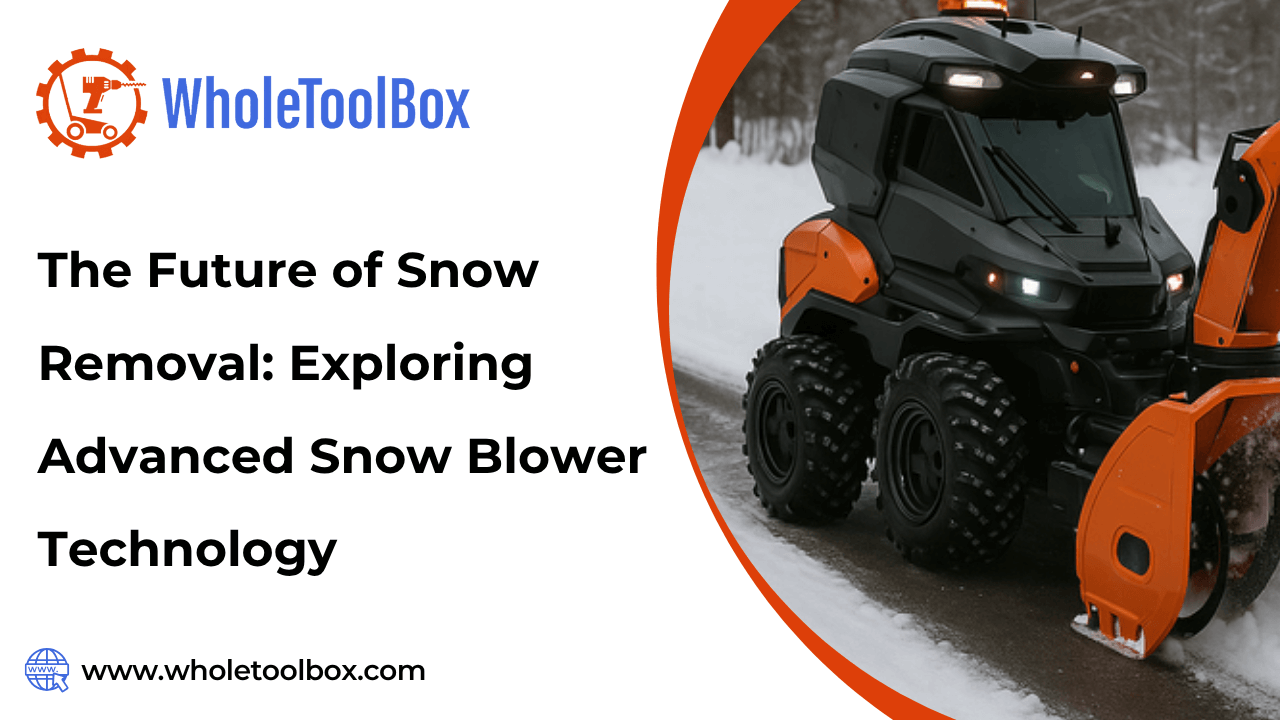
The Future of Snow Removal: Exploring Advanced Snow Blower Technology
As winters grow harsher and snowfall more unpredictable, efficient snow removal is no longer a luxury, it’s a necessity. Traditional snow blowers and manual shoveling simply can’t keep up with the demands of modern snow management. The good news? The snow removal industry is undergoing a technological revolution, with advanced innovations transforming how we clear snow for good. From AI-powered autonomous snow blowers to eco-friendly battery systems and smart home integration, the future of snow removal is bright, efficient, and sustainable. In this article, we’ll explore the cutting-edge snow blower technologies shaping the next generation of snow blower tools designed to make winter safer, easier, and more environmentally friendly.
Why Advanced Snow Removal Technology Is Essential for the Future
Before diving into the exciting innovations, it’s important to understand the critical reasons why snow removal technology must evolve:
-
Climate Change and Extreme Weather Patterns: Winters are becoming more intense, with heavier snowfall and sudden storms increasing the volume and density of snow to clear. This creates a demand for more powerful and adaptable snow removal solutions.
-
Environmental Concerns and Regulations: Gas-powered snow blowers contribute significantly to noise pollution and greenhouse gas emissions. Many cities and countries are enforcing strict environmental regulations that encourage eco-friendly alternatives.
-
Safety and Accessibility: Icy and snow-covered walkways and roads pose significant hazards for pedestrians and vehicles. Efficient snow clearing reduces accidents and improves accessibility, particularly in urban and suburban areas.
-
Labor Efficiency and Cost Savings: Automated and intelligent machines can reduce the time, physical effort, and labor costs associated with snow removal, especially for commercial properties and municipalities responsible for large areas.
Meeting these challenges requires snow blowers equipped with smart, sustainable, and highly efficient technology. Let’s explore how this is happening.
Battery-Powered and Electric Snow Blowers: The Clean Power Revolution
The transition from gas to electric power is the foundation of next-generation snow blowers. Powerful lithium-ion batteries now deliver performance that rivals traditional gas engines while offering significant benefits.
Advantages of Battery-Powered Models:
-
Zero Emissions: Electric snow blowers produce no exhaust fumes, making them safe for indoor storage and environmentally responsible.
-
Low Noise Levels: Operating at sound levels often below 75 decibels, these machines are ideal for noise-sensitive residential neighborhoods.
-
Less Maintenance: No oil changes, fuel mixing, or spark plug replacements mean less upkeep for users.
-
Instant Torque: Electric motors provide instant power, improving auger responsiveness and snow-clearing efficiency.
Leading Brands and Models
Companies like EGO Power+, Greenworks, Ryobi, and Toro have introduced robust electric snow blowers that handle deep, heavy snow with ease. For example, the EGO Power+ 56V model features a brushless motor and advanced battery management, delivering up to 45 minutes of run time on a single charge.
Battery tech continues to improve rapidly, with faster charging times, longer lifespan, and better cold-weather performance enhancing the appeal of electric snow blowers.
Autonomous and Robotic Snow Blowers: Hands-Free Snow Clearing
Perhaps the most exciting leap in snow removal is the development of autonomous robotic snow blowers. These devices are designed to clear snow without any human intervention, using advanced sensors and AI to navigate complex outdoor environments.
How Autonomous Snow Blowers Work:
-
GPS and Sensor-Based Mapping: Using GPS coordinates and lidar or infrared sensors, robotic snow blowers create precise maps of your driveway, sidewalk, or pathway.
-
Obstacle Avoidance: Sensors detect obstacles like cars, pets, or garden decorations, ensuring safe and accurate navigation.
-
Smart Scheduling: Users can program clearing times and adjust settings through smartphone apps or voice assistants.
-
Automatic Charging: Many models return to a charging dock autonomously, maintaining optimal battery levels for continuous readiness.
Industry Pioneers
Companies like Kobi Robotics and Snowbot are leading innovation in this space, developing fully autonomous snow blowers that promise to revolutionize snow management for both residential and commercial users.
AI and Machine Learning: Optimizing Snow Removal Efficiency
Artificial intelligence is playing an increasingly central role in the performance and adaptability of modern snow blowers.
AI-Driven Features Include:
-
Dynamic Route Planning: AI algorithms analyze the terrain and snow conditions to calculate the most efficient clearing paths, minimizing energy use and time.
-
Adaptive Power Control: By analyzing snow density and wetness in real-time, the system adjusts auger speed and motor torque to maximize clearing effectiveness.
-
Weather Forecast Integration: By connecting to live weather data, AI-powered snow blowers can anticipate storms and prepare accordingly, ensuring proactive snow management.
-
Predictive Maintenance Alerts: Machine learning tracks usage patterns and wear, notifying users when parts require maintenance or replacement to avoid downtime.
This smart adaptability ensures that snow blowers work optimally in varying conditions, saving users energy and money.
Heated Augers and Chutes: Preventing Ice Build-Up
One common challenge with snow blowers is ice clogging in the auger or discharge chute, which can cause machine jams and downtime.
The Innovation:
-
Integrated Heating Elements: Newer models include electric heating coils within the auger housing and chute to prevent ice formation.
-
Efficient Energy Use: Advanced thermal management ensures heat is applied only when needed, preserving battery life.
Heated components allow continuous snow ejection even in freezing rain or icy snow, improving reliability and reducing maintenance.
IoT Connectivity and Smart Home Integration: The Connected Snow Blower
The Internet of Things (IoT) is transforming snow blowers into smart devices that integrate with users’ homes and lifestyles.
Connectivity Features:
-
Voice Control: Snow blowers compatible with Amazon Alexa, Google Assistant, and Apple HomeKit allow users to start, stop, and schedule operations via voice commands.
-
Mobile App Management: Real-time status updates, battery monitoring, and remote control are accessible through smartphone apps.
-
Automated Activation: Integration with weather services enables machines to automatically start snow clearing based on forecasted conditions.
This seamless connectivity enhances convenience and ensures properties stay clear without manual effort.
Swarm Robotics for Commercial Snow Removal: Coordinated Efficiency
For large-scale snow removal, such as parking lots, stadiums, or airport runways, deploying multiple robotic snow blowers working in unison — a “swarm” — can maximize efficiency.
Benefits of Swarm Technology:
-
Collaborative Coverage: Robots communicate to divide clearing tasks, avoid overlaps, and cover large areas quickly.
-
Remote Monitoring: Operators can oversee fleet status and intervene if necessary via centralized software.
-
Reduced Labor Costs: Swarms reduce the need for human crews, lowering operational expenses and improving safety.
This technology promises a future where entire municipalities or corporations automate their snow removal with fleets of intelligent machines.
Renewable Energy Integration: Solar-Powered Charging Stations
Sustainability is a growing priority. Integrating renewable energy with snow removal technology enhances environmental benefits.
Innovations Include:
-
Solar Charging Depots: Municipalities and businesses can install solar-powered stations to recharge electric snow blowers off-grid.
-
Hybrid Solar Systems: Some manufacturers are developing snow blowers equipped with solar panels to supplement battery power during daylight operations.
-
Sustainable Materials: Use of recyclable and biodegradable materials in manufacturing reduces environmental impact.
These innovations reduce reliance on fossil fuels and contribute to greener, more self-sufficient snow removal solutions.
Challenges Ahead in Advanced Snow Blower Technology and the Future of Snow Removal
To fully realize the potential of future snow removal solutions, several challenges must be addressed. Here are key challenges paired with four emerging advanced technologies that can help overcome them:
Battery Performance in Extreme Cold
Challenge: Lithium-ion batteries lose efficiency and capacity in freezing temperatures.
Solution: Solid-State Batteries
-
Higher energy density than traditional batteries.
-
Better cold-weather performance and faster charging.
-
More durable and safer, ideal for powering snow blowers in harsh winter climates.
Cost and Accessibility of Advanced Technology
Challenge: High costs of AI, robotics, and connectivity features limit accessibility.
Solution: Modular Design and 3D Printing
-
Enables production of interchangeable, easy-to-replace parts.
-
Lowers manufacturing costs through rapid prototyping.
-
Allows customization and easier repairs, making advanced snow blowers more affordable.
User Education and Support
Challenge: Complex smart features can overwhelm users unfamiliar with advanced systems.
Solution: Augmented Reality (AR) Assisted Training
-
Provides interactive, step-by-step visual guidance via smartphones or AR glasses.
-
Simplifies setup, operation, and troubleshooting.
-
Enhances user confidence and reduces dependence on customer support.
Regulatory and Safety Compliance
Challenge: Autonomous snow blowers must avoid accidents with people, pets, and property.
Solution: Advanced Sensor Fusion and V2X Communication
-
Combines data from lidar, radar, cameras, and environmental sensors for precise situational awareness.
-
Enables communication with nearby vehicles, infrastructure, and pedestrians (Vehicle-to-Everything).
-
Improves safety and compliance with evolving regulations.
Explore this article on top ten snow blower accessories to make winter cleanup easier and boost your machine’s efficiency this season.
Choosing the Right Future-Ready Snow Blower
Selecting the right snow blower depends on your environment and specific needs. Knowing what to consider helps you pick the perfect machine.
Snowfall Patterns
Different snow types and amounts require specific snow blower capabilities to clear efficiently.
-
Heavy Snow Handling: Choose a powerful snow blower with a robust engine and durable auger for dense, wet snow.
-
Light Snow Efficiency: Smaller electric or gas models are sufficient for light, powdery snow.
-
Frequent Snowfall Needs: Opt for machines with longer battery life or quick recharge to handle regular snow.
-
Infrequent Snowfall Solution: Compact and lightweight snow blowers are ideal for occasional snow and easy storage.
Property Size and Terrain
Your property’s size and landscape affect the type and features your snow blower should have.
-
Large Area Convenience: Self-propelled snow blowers reduce physical effort on big driveways and sidewalks.
-
Robotic Snow Blowers for Medium Areas: Great for automated, routine clearing on flat, moderate-sized properties.
-
Terrain Adaptability: Choose machines with enhanced traction for uneven or hilly surfaces.
-
Maneuverability in Tight Spaces: Smaller, agile models work best in narrow or winding pathways.
Desired Features
Modern snow blowers come loaded with features designed to improve ease, efficiency, and comfort.
-
Smart Connectivity: IoT-enabled snow blowers let you monitor and control them remotely via smartphone apps.
-
Autonomous Operation: Hands-free snow clearing lets the machine work independently, saving time and effort.
-
Comfort Enhancements: Heated augers and handle grips improve user comfort during freezing temperatures.
-
Power and Runtime: High-capacity batteries with fast-charging keep your snow blower running longer without downtime.
-
Visibility Features: LED headlights enable safe snow removal during early mornings or after dark.
Budget and Support
Balancing cost with quality and support ensures your investment lasts through many winters.
-
Budget Planning: Focus on long-term value rather than just upfront cost.
-
Warranty and Service: Reliable brands offer solid warranties and strong customer support.
-
Parts Availability: Easy access to replacement parts and simple maintenance improve longevity.
-
User Reviews: Reading real user experiences helps gauge true performance and satisfaction.
By focusing on these key points, you’ll find a future-ready snow blower that meets your needs now and adapts to evolving snow removal technology.
Check out this article on last-minute mistakes to avoid when using snow blowers to ensure your winter prep is both smart and efficient.
Final Thoughts
As snow blower technology continues to evolve, embracing innovations such as electric power, AI navigation, and automated operation is becoming increasingly essential. These advancements not only boost efficiency but also promote a greener, quieter, and safer winter environment. Whether you’re a homeowner tackling your driveway or a professional managing large properties, staying informed about the latest trends helps you make smarter, future-proof choices. Investing in advanced snow removal equipment is more than just a convenience as it’s a commitment to adapting to a changing climate, reducing your carbon footprint, and ensuring reliable performance through harsh winters. Prepare today, and let cutting-edge snow blower technology make winter maintenance easier for years to come.
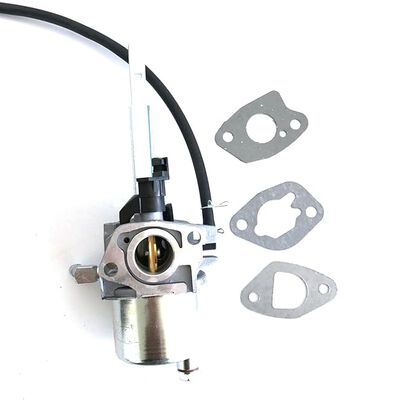
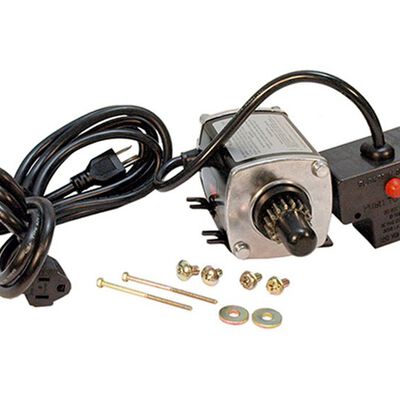
Ready to upgrade your snow blower? WholeToolBox offers premium snow blower parts like augers, belts, and starters from leading brands such as Ariens, Husqvarna, and Toro. Get reliable, high-performance components all in one spot to tackle winter with ease!
FAQs
How do electric snow blowers compare to gas-powered ones?
Electric snow blowers are quieter, produce zero emissions, and require less maintenance, making them eco-friendly options. Gas-powered models generally provide more power and longer run times, suitable for heavy-duty snow removal.
Are robotic snow blowers effective for large driveways?
Robotic snow blowers are improving but currently work best on flat, medium-sized areas. For large or uneven driveways, self-propelled or larger traditional snow blowers may be more efficient.
Can advanced snow blowers operate autonomously?
Yes, some next-gen snow blowers feature autonomous operation with AI-driven navigation, allowing them to clear snow without manual control, improving convenience and safety.
How does IoT connectivity enhance snow blower functionality?
IoT-enabled snow blowers can be monitored and controlled remotely via smartphone apps, providing status updates, maintenance alerts, and sometimes automatic operation scheduling.
What safety features are included in modern snow blowers?
Advanced models include sensors that detect obstacles or humans to prevent accidents, automatic shut-off systems, and improved lighting for low-visibility conditions.