Why 87% of Star Trac Elliptical Issues Come Down to Wear-and-Tear Parts
Is your Star Trac elliptical making noise, feeling uneven, or losing resistance? These are often early signs of worn internal components rather than sudden failure. Star Trac ellipticals are commercial-grade cardio machines engineered for smooth, low-impact, full-body cardio and are widely used in commercial fitness environments for their durability and performance.
Even well-built machines gradually develop performance issues with regular use. Continuous operation, friction in moving components such as belts and bearings, insufficient lubrication, and long-term stress on joints and rollers all contribute to slow but steady wear over time.
This blog dives into why the majority of Star Trac elliptical issues are caused by worn parts, components that fail most often, and the warning signs that your equipment may need service or replacement.
How Star Trac Elliptical Machines Work
Star Trac elliptical machines are designed to provide smooth, low-impact cardiovascular workouts by combining pedal motion, resistance systems, and upper-body movement. The machine operates through a connected system of mechanical and electronic components that work together to create a natural walking or running motion while reducing stress on the joints.
The following components play a major role in how the elliptical machine functions during operation:
-
Pedals and Pedal Arms: The pedals move in an oval-shaped path that mimics natural stride movement. Pedal arms connect the pedals to the drive system, allowing smooth and synchronized motion throughout the workout.
-
Flywheel System: The flywheel helps create balanced and fluid movement inside the machine. As users pedal, the flywheel rotates continuously to maintain momentum and provide a steady exercise experience.
-
Resistance Mechanism: The resistance system controls workout intensity by increasing or decreasing the force required to move the pedals. Most Star Trac ellipticals use magnetic resistance for smoother and quieter operation.
-
Rollers and Tracks: Rollers glide along built-in tracks to support pedal movement. These components help maintain stability and ensure the pedals move evenly during exercise sessions.
-
Moving Handlebars: Many Star Trac elliptical models include moving handlebars that engage the upper body during workouts. These handlebars move in coordination with the pedals to provide full-body cardio training.
-
Bearings and Pivot Joints: Bearings and pivot points allow internal components to rotate smoothly with minimal friction. They help support consistent motion and improve overall machine efficiency.
-
Console and Electronic Controls: The console controls workout settings such as speed, resistance levels, calories burned, heart rate, and workout programs. Electronic sensors and wiring help the system track performance data in real time.
Looking for reliable replacement parts to keep your elliptical performing at its best? Shop high-quality elliptical parts at WholeToolBox, including link arms, flywheels, elliptical right and left pedal arm sets designed for consistent performance.
Why Most Star Trac Elliptical Issues Come Down to Wear-and-Tear Parts
Most elliptical problems are caused by mechanical wear rather than electronic or structural failure. In commercial use, over 80% of fixes reported by technicians involve replacing a worn component instead of repairing control boards or frames. Below are some of the reasons,
-
Heavy Usage: In gyms, ellipticals run for long hours every day, which puts constant stress on parts like belts, bearings, rollers, and joints, leading to gradual wear
-
No Consumables: Unlike equipment with easily replaceable consumable parts, these ellipticals use sealed and permanent components. This means friction slowly wears down internal metal and plastic parts over time, rather than being absorbed by simple replacements.
-
Design Complexity: The machine includes several connected moving parts such as linkages, drive systems, and resistance mechanisms. Each additional moving connection increases the chances of wear, making mechanical parts more likely to degrade than electronic systems.
-
Maintenance Gaps: Regular lubrication, tightening, and inspection are essential. When maintenance is missed or delayed, friction increases and wear builds up faster, which leads to the most common performance issues.
Most Common Star Trac Elliptical Wear-and-Tear Parts That Fail
The table below lists the most common Star Trac elliptical parts that wear out over time, along with typical failure issues and replacement costs.
|
Component |
Failure Description |
Typical Market Price |
|
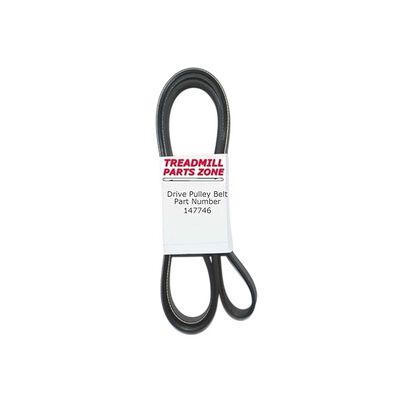
Drive Belt |
Wears due to friction and aging, leading to slipping or uneven resistance |
$30 – $70 |
|
Pivot Bearings / Bushings |
Continuous motion causes wear, resulting in noise, looseness, and misalignment |
$50 – $100 |
|
Resistance Spring |
Fatigue from repeated use reduces resistance and smooth operation |
$50 – $120 |
|
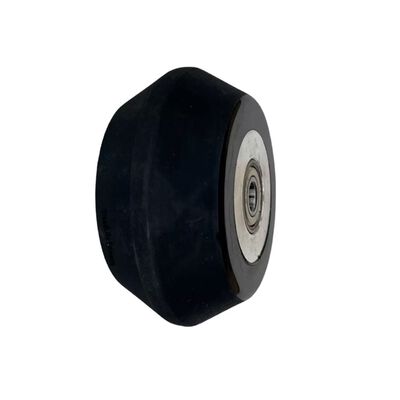
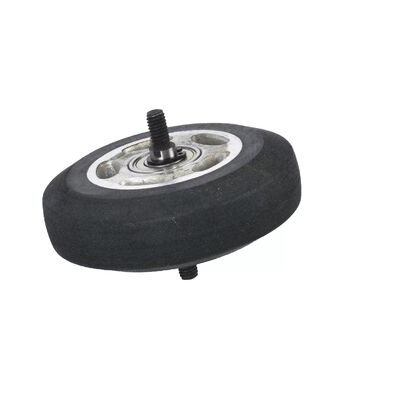
Rollers / Slide Wheels |
Damage from dust and poor lubrication causes jerky motion and noise |
$40 – $100 |
|
Handle / Pedal Connectors |
Joint wear leads to stiffness or looseness in movement |
$50 – $120 |
|
Electrical Components |
Failures from overheating, wiring issues, or electronic faults |
$100 – $500+ |
Check out the top 7 Star Trac elliptical machine problems and how to solve them fast before they lead to bigger issues
Warning Signs Your Star Trac Elliptical Needs Immediate Repair
Below are the most common signs that your elliptical may require immediate attention and repair.
-
Grinding Sounds: A deep grinding, rumbling, or knocking noise during each pedal stroke is a serious red flag. This usually points to severely worn bearings or bushings. Continuing to use the machine can damage major components like the crank or frame.
-
Severe Squeaking: While minor squeaks can result from a lack of lubrication, a new or ongoing high-pitched noise may indicate that internal parts such as bearings or springs are already deteriorating. Check the source promptly and avoid further use until resolved.
-
Slipping Pedals: If the pedals feel jerky, skip during movement, or suddenly drop into position, the issue could be a worn drive belt or a failing spring. Fluctuating resistance levels may also signal belt wear or brake misalignment.
-
Loose Handlebars: Excessive movement or frequent loosening of the handlebars often indicates that the pivot points or bushings are worn out. This can compromise stability and safety, so the machine should not be used until repairs are made.
-
Battery: If your console is not powering on or is displaying inconsistent readings, a Star Trac elliptical battery replacement is often the simplest fix to restore proper function and accurate performance tracking.
-
Visible Wear or Damage: During routine cleaning, inspect key components for frayed belts, flattened rollers, cracked plastic parts, or signs of fatigue like detached springs or worn pads. Any visible damage is a clear indication that the equipment needs immediate attention.
Ignoring these warning signs can turn a simple Star Trac elliptical repair into a much more expensive problem. If basic tightening or lubrication doesn’t fix the issue, it’s best to arrange professional servicing as soon as possible.
Summary: Extend Star Trac Elliptical Lifespan with Preventive Maintenance
Star Trac ellipticals are designed for long-lasting, low-impact performance, but normal wear in components like bearings, belts, and rollers can affect efficiency over time. Regular inspection and timely maintenance help prevent unexpected breakdowns and costly repairs. Addressing minor issues early ensures smoother operation and consistent workout performance. With proper care, you can significantly extend the Star Trac elliptical lifespan.
Key Takeaways
-
Most elliptical issues are caused by wear-and-tear, not electronic failure
-
High-usage environments like gyms accelerate mechanical part degradation
-
Critical wear points include drive belts, bearings, rollers, and pivot joints
-
Lack of lubrication and delayed maintenance are major failure contributors
-
Early warning signs include slipping Star Trac elliptical pedals, noise, and loose motion components
-
Preventive maintenance is essential to extend the machine's lifespan and performance
FAQs
Why is my Star Trac elliptical making noise?
Noise usually comes from worn bearings, dry pivot joints, loose drive belts, or insufficient lubrication due to regular use.
How often should Star Trac elliptical parts be replaced?
In commercial use, key wear parts like belts, rollers, and bearings typically last around 1 to 3 years, depending on usage and maintenance.
Are Star Trac elliptical repair parts universal across all models?
No, parts vary by model and series, so it is important to match components with your specific Star Trac elliptical model to ensure proper fit and performance.
Can I repair a Star Trac elliptical myself?
Basic maintenance like cleaning and tightening is fine, but drive, resistance, or electrical repairs should be handled by a technician.
| Disclaimer: This content is for informational purposes only and does not replace professional repair advice. Issues may vary by model, usage, and maintenance conditions. |