7 Essential Tanaka Weed Eater Parts & When to Replace Them
Tanaka weed eaters are widely trusted for their durability and precise trimming performance, especially in regular lawn maintenance tasks. But even well-built equipment gradually loses efficiency with continuous use. Over time, this can result in common issues such as difficulty starting, weak cutting power, uneven trimming, or unexpected engine stalling.
These performance issues are typically linked to worn or clogged parts such as spark plugs, air filters, fuel lines, trimmer heads, and carburetor components. As these parts degrade, they disrupt fuel delivery, ignition efficiency, and overall engine balance, resulting in inconsistent output and reduced cutting precision.
This blog covers the 7 essential Tanaka weed eater parts, explains when to replace each component, and provides practical insights to help you maintain peak performance while avoiding costly repairs.
Why Knowing Your Weed Eater Parts Saves Time & Money
Understanding the individual parts of your weed eater is one of the most effective ways to reduce both maintenance costs and equipment downtime. Here are the key benefits of staying familiar with your weed eater parts:
-
Lower Repair Costs: Replacing common wear items such as Tanaka weed eater spark plugs, air filters, and fuel lines is affordable and can help you avoid costly service charges and labor fees.
-
Faster Troubleshooting: Knowing how each component works allows you to identify problems quickly, reducing guesswork and preventing unnecessary part replacements.
-
Prevents Major Damage: Replacing worn or damaged parts early can stop minor issues from escalating into serious engine or drive system failures.
-
Reduces Downtime: Quick maintenance and simple DIY repairs help keep your weed eater running without long waits for repair appointments or shop turnaround times.
-
Improves Efficiency: Clean filters, reliable ignition parts, and properly functioning fuel components support smoother operation, better fuel economy, and consistent cutting power.
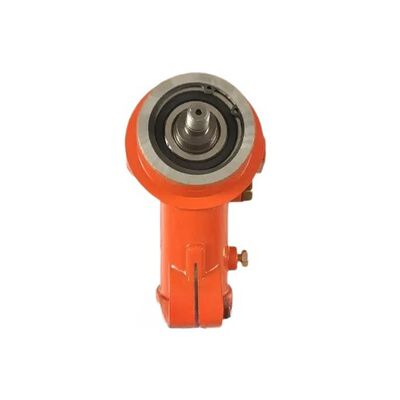
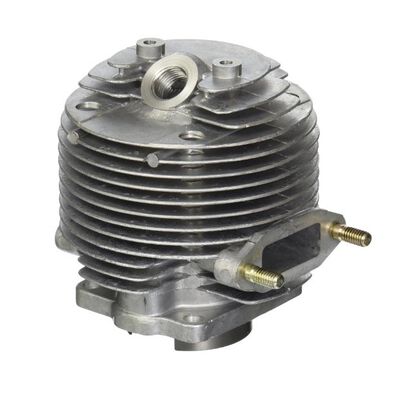
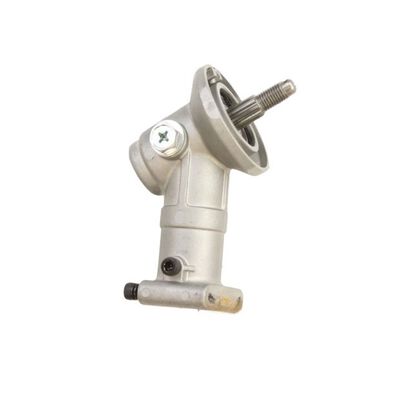
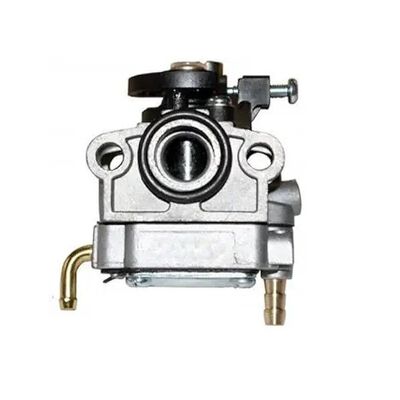
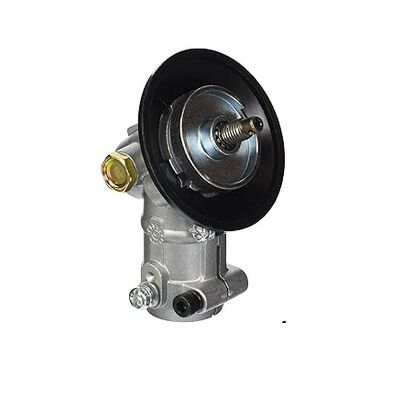
Looking for Tanaka Weed Eater parts to keep your equipment running smoothly? We offer high-quality lawn equipment parts, including carburetor assemblies, gear case assemblies, clutch housing components, and mufflers, designed to deliver reliable performance and long-lasting durability.
Warning Signs Your Tanaka Weed Eater Parts Need Immediate Replacement
Here are the key warning signs that indicate your Tanaka weed eater parts may need immediate replacement.
-
Spark Plug Issues: Difficulty starting, engine misfires, or uneven running often point to a faulty spark plug. Heavy carbon buildup, oil fouling, or visible damage means it should be replaced immediately.
-
Fuel Delivery Problems: If the engine stalls, sputters, or refuses to stay running, fuel flow may be restricted. Inspect the Tanaka weed eater fuel filter, fuel lines, and primer bulb for clogs, cracks, or weakness.
-
Carburetor Issues: Stale fuel can lead to deposits inside the carburetor, causing hard starting, poor idling, or the engine running only on choke. Light buildup can be cleaned, but severe clogging often requires repair or replacement.
-
Ignition Coil Failure: If the spark plug is functioning properly but there is still no spark, the Tanaka weed eater ignition coil may be defective. This often causes a complete no-start condition.
-
Trimmer Head or Cutting Line Issues: Excess vibration, poor cutting performance, or failure of the line feed system usually indicates wear or damage. Cracked or broken components should be replaced for safe operation.
-
Other Warning Signs: Recoil starter issues, such as a rope that won’t retract, often signal a broken spring. Loose fittings, frayed cables, or cracked fuel tanks should also be repaired immediately due to safety risks.
Top 7 Tanaka Weed Eater Parts & When to Replace Them
Below are the 7 most critical Tanaka weed-eater parts that impact performance. Each part has a typical replacement cycle based on usage conditions and common failure symptoms.
|
Weed Eater Part |
Common Signs of Failure |
When to Replace |
|
Trimmer Line / Spool |
Poor cutting performance, line breakage, uneven trimming |
When worn, broken, or not feeding properly |
|
Air Filter |
Reduced power, engine choking, hard starting |
When clogged, damaged, or once per season |
|
Spark Plug |
Misfires, rough idle, starting problems |
Every 1 to 2 seasons or when fouled |
|
Fuel Filter |
Stalling, hesitation, inconsistent performance |
Every 1 to 2 years or when fuel flow is weak |
|
Fuel Lines |
Fuel smell, leaks, engine starving for fuel |
When cracked, leaking, or brittle |
|
Carburetor |
Poor idle, flooding, and hard starting |
When cleaning no longer fixes performance issues |
|
Cutting Head / Clutch Assembly |
Vibration, weak head engagement, poor trimming |
When worn, slipping, or damaged |
Maintenance Tips to Extend the Life of Your Weed Eater Parts
Regular maintenance keeps your weed eater running efficiently and reduces frequent part replacements. Check below for simple tips to improve the performance of the weed eater.
-
Before starting the machine, check for loose screws, worn parts, fuel leaks, and a secure spark plug wire. A quick inspection helps catch small issues before they become major repairs.
-
Remove grass, dirt, and debris from the cutting head, guard, air vents, and engine cooling fins after each job. Keeping the unit clean prevents overheating, clogging, and premature wear.
-
Clean the Tanaka weed eater air filter regularly to maintain proper airflow and smooth engine performance. Replace it when it becomes clogged, damaged, or too dirty to clean effectively.
-
Always use fresh gasoline with the correct 2-cycle oil ratio recommended for your model. Old fuel or the wrong mixture can cause hard starting, poor performance, and carburetor damage.
-
Inspect the spark plug, fuel lines, fuel filter, and primer bulb regularly for wear, cracks, or reduced performance. Replacing these parts early helps prevent stalling and starting problems.
-
Keep the weed eater in a cool, dry place when not in use. For long-term storage, drain old fuel or add stabilizer, clean the machine thoroughly, and store it safely to prevent rust and fuel system issues.
Troubleshooting Flowchart: Below is a simple diagnostic flow for engine issues:

Check out the top 10 Tanaka weed wacker maintenance tips every lawn owner should know to keep your equipment running smoothly and extend its overall lifespan
Summary: Keep Your Tanaka Weed Eater Running Like New with Timely Part Replacements
Keeping your Tanaka weed eater in top condition starts with understanding which parts wear out most often and replacing them before they fail. Components such as the spark plug, air filter, fuel lines, and cutting head directly affect power and cutting efficiency. Regular inspections and basic maintenance help to extend equipment lifespan.
Key Takeaways
-
Inspect high-wear parts like trimmer line, spark plug, and air filter regularly.
-
Replace damaged fuel lines or clogged fuel filters to prevent stalling issues.
-
Clean or service the Tanaka weed eater carburetor if the engine idles poorly or starts hard.
-
Maintain the cutting head to reduce vibration and improve trimming results.
-
Use fresh fuel with the correct oil mix to protect the engine system.
-
Preventive maintenance saves money and keeps your Tanaka weed eater dependable.
FAQs
How often should I replace parts on a Tanaka weed eater?
Replace parts when they show wear or performance drops. Trimmer line, air filters, and spark plugs usually need replacement most often.
Why does my weed eater keep stalling during use?
Stalling is often caused by old fuel, a dirty air filter, a clogged fuel system, carburetor issues, or a faulty spark plug.
How do I choose the right replacement parts for my Tanaka trimmer?
Use your exact model number and buy compatible Tanaka trimmer parts for the best fit and reliable performance.
| Disclaimer: This blog is for informational purposes only. Results may vary by Tanaka weed eater model, usage, and part condition. |