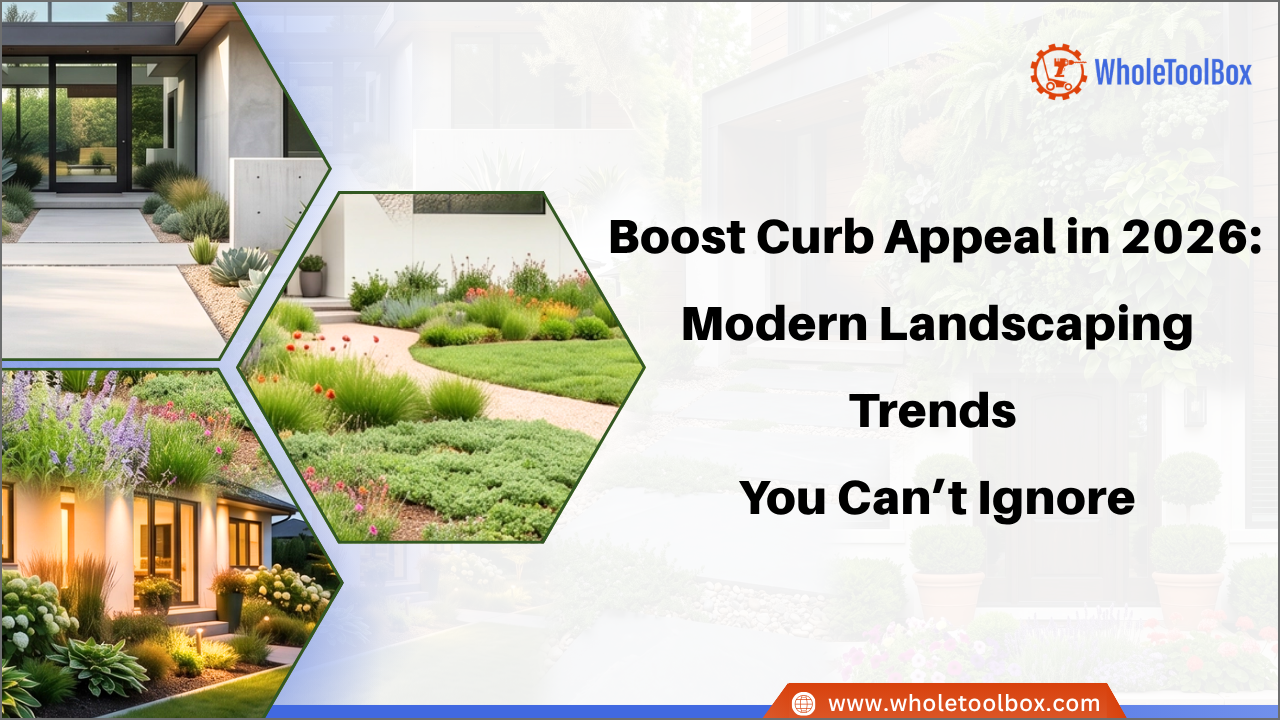
Boost Curb Appeal in 2026: Modern Landscaping Trends You Can’t Ignore
Home exteriors are now just as important as interiors when it comes to property value, comfort, and overall lifestyle appeal. In 2026, landscaping is evolving beyond simple aesthetics and focusing more on smart, eco-friendly, and low-maintenance outdoor spaces that balance beauty with functionality.
What if your front yard could look better with less effort to maintain? That’s where modern landscaping is heading. Homeowners are moving away from high-maintenance lawns and outdated designs toward simpler, smarter, and more sustainable outdoor spaces. Current trends focus on native planting, water efficiency, and low-maintenance layouts that stay attractive year-round with minimal upkeep.
In this blog, we break down the key landscaping trends shaping curb appeal, including sustainable design ideas, smart low-maintenance solutions, and finishing touches that can quickly enhance any front yard.
Why Curb Appeal Matters More Than Ever in 2026
Curb appeal refers to the visual attractiveness of a property’s exterior, especially the front yard and entrance. It strongly influences first impressions and shapes how a home is perceived in terms of value, care, and quality. Here are the key factors that highlight why curb appeal plays a crucial role.
-
Regional Impact: Landscaping success increasingly depends on matching plant selection to local climate conditions. Homes designed with region-appropriate vegetation tend to look healthier, require less upkeep, and maintain a stronger visual appeal over time
Example: Drought-tolerant plants suit the Southwest, while prairie grasses work well in the Midwest. Using region-appropriate plants improves sustainability and long-term curb appeal.
-
Seasonal Timing: The timing of landscaping efforts plays a key role in maintaining curb appeal throughout the year. Homes that are updated and maintained across seasons consistently present better and retain a stronger visual appeal in all conditions.
-
Investment Value: The extent of exterior investment directly affects how a property is valued. Even small, low-cost improvements can enhance appearance, while higher-budget redesigns significantly elevate market perception and long-term appeal.
-
Market Influence: Strong curb appeal has a measurable impact on real estate performance. Homes with well-maintained exteriors can sell for around 7% more, and a vast majority of realtors confirm that exterior presentation is a major factor in attracting buyers.
Sustainable Landscaping Trends Transforming Modern Homes
These trends focus on reducing water use, improving soil health, and supporting biodiversity while maintaining a strong visual appeal. Below are the key trends transforming modern homes.
-
Native Planting: Homeowners are increasingly replacing high-maintenance lawns with native plants that thrive in local conditions. These species require less water and support essential pollinators like bees and butterflies.
-
Smart Irrigation: Modern systems use sensors and weather data to deliver precise watering schedules. Rainwater harvesting and rain gardens further help reduce water waste and manage runoff naturally.
-
Soil Regeneration Practices: Techniques such as composting and no-till gardening enhance soil health over time. They improve nutrient retention and support a balanced ecosystem with minimal external inputs.
-
Edible Landscaping: Gardens now blend aesthetics with function by including fruit trees, herbs, and vegetables. This approach supports sustainable living while maintaining attractive outdoor designs.
-
Vertical Green Spaces: These solutions maximize greenery in limited spaces, especially in urban areas. They also improve air quality, reduce noise, and add insulation benefits to buildings.
-
Naturalistic Design: Instead of rigid lawn structures, meadow-inspired layouts with grasses and wildflowers are gaining popularity. These designs offer seasonal beauty while requiring less upkeep.
Smart and Low-Maintenance Landscaping for Effortless Care
Modern homeowners want landscapes that stay attractive with less upkeep. In 2026, the focus is on practical designs, automation, and efficient outdoor solutions that save time and effort. Below are the key approaches supporting effortless maintenance.
-
Smart Technology Integration: Automated irrigation systems, drip irrigation, and robotic mowers help reduce manual workload in garden maintenance. These tools deliver water efficiently, maintain consistent lawn care, and support healthier plant growth with very little hands-on effort.
-
Lawn Reduction Strategies: Traditional high-maintenance grass areas are being replaced with alternatives such as mulch beds, gravel landscaping, ground covers, and artificial turf. These options significantly reduce the need for mowing, watering, fertilizing, and general upkeep.
-
Low-Maintenance Hardscaping: Features like stone pathways, patios, and raised garden beds add structure and usability to outdoor spaces. At the same time, they reduce the amount of living landscape that requires regular care, making maintenance more manageable overall.
-
Smart Plant Selection: Homeowners are increasingly choosing native, drought-tolerant, and slow-growing plants. These varieties naturally adapt to local conditions, require less water and pruning, and maintain a clean, natural look with minimal intervention.
Check out smart gardening for homeowners: how technology is transforming lawn and garden care to understand technology-driven improvements in lawn care efficiency
Finishing Touches That Instantly Elevate Your Front Yard
Below are the key finishing details that can quickly transform a front yard into a more polished, inviting, and visually balanced space.
-
Front Entry Upgrades: Refreshing the front door with modern or bold colors instantly improves visual impact. Adding updated hardware, house numbers, and a coordinated mailbox helps create a cohesive and stylish entrance.
-
Outdoor Lighting: Strategic lighting, such as pathway lights, tree uplighting, and architectural accent lighting, adds depth and highlights key landscape features. It also improves nighttime safety and visibility.
-
Planter Displays: Decorative pots filled with seasonal flowers or structured greenery bring color and life to entry areas. Symmetrical placement creates a clean, balanced, and inviting appearance.
-
Maintenance and Cleanliness: Regular upkeep, like pressure washing driveways, trimming hedges, and removing weeds, keeps the property looking fresh. A well-maintained exterior ensures design elements stand out effectively.
-
Outdoor Accents: Features such as benches, small water elements, or subtle garden décor add personality and charm. These elements should be used sparingly to avoid visual clutter.
-
Design Consistency: Matching colors, materials, and design styles between the home exterior and landscaping creates a unified and intentional look. This harmony strengthens overall curb appeal.
These finishing details may appear minor on their own, but together they significantly enhance the overall presentation of a home’s front yard, creating a refined and inviting first impression.
Summary: Modern Landscaping That Boosts Curb Appeal in 2026
Modern curb appeal in 2026 focuses on combining sustainability, smart technology, and low-maintenance design. Homeowners are prioritizing outdoor spaces that are both visually appealing and easy to manage, while also improving property value and environmental impact.
Key Takeaways
-
Strong curb appeal can increase home value and significantly influence buyer decisions
-
Sustainable landscaping using native and drought-tolerant plants reduces water use and maintenance
-
Smart irrigation and outdoor lighting systems improve efficiency and convenience
-
Low-maintenance designs reduce lawn size and replace it with durable hardscaping elements
-
Regional plant selection ensures better growth, resilience, and long-term sustainability
-
Finishing touches like lighting, entryway upgrades, and clean design dramatically enhance first impressions
Shop high-quality lawn & outdoor equipment parts at WholeToolBox. Explore chipper shredder parts, log splitter parts, turf rake and seeder parts from trusted brands like Jet, Classen, Homelite & more to keep your equipment running smoothly.
References:
https://phys.org/news/2025-08-pay-curb-appeal-home-prices.html
FAQs
How to make a yard look expensive?
Use clean lines, fresh mulch, trimmed plants, and regular upkeep. Add pathway lighting, quality planters, and stone accents for a polished, upscale look.
What are the common landscape design mistakes?
Common mistakes include overcrowding plants, poor drainage, bad spacing, and choosing plants unsuited to the climate. Too many styles and a lack of maintenance can also make a yard look messy.
What is the rule of 3 in landscaping?
It is a design rule that uses groups of three plants or elements to create a natural, balanced, and visually appealing layout.
|
Disclaimer: This blog is for general informational purposes only. Landscaping results may vary based on location, soil conditions, climate, and design choices. |