Common Lawn Mower Spindle Problems Every Gardener Should Know
A well-maintained lawn adds beauty and value to any property, but even the most reliable lawn mower can run into issues, especially with its spindle. As a key component connecting the mower’s blades to the deck, the spindle plays a critical role in ensuring smooth, even cuts. When spindle problems arise, they can quickly lead to uneven mowing, strange noises, or even damage to your mower. For gardeners who rely on their equipment for a pristine yard, understanding common spindle issues is essential. In this article, we’ll explore the most frequent lawn mower spindle problems, how to identify them, and what steps you can take to fix or prevent them, saving you time, money, and frustration in the long run.
What is a Lawn Mower Spindle and Why is it Important?
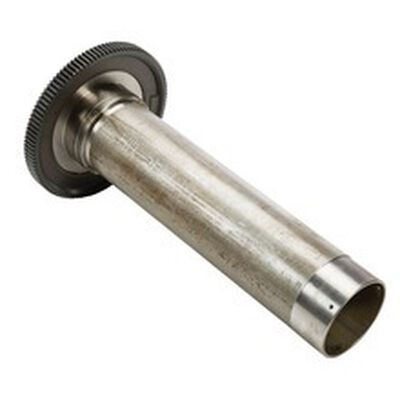
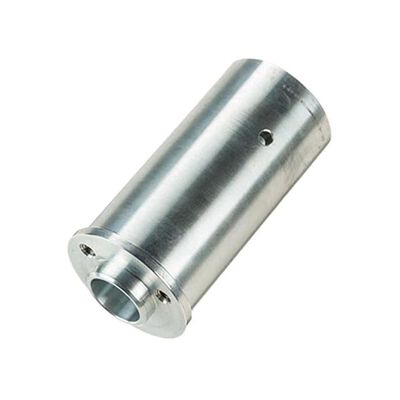
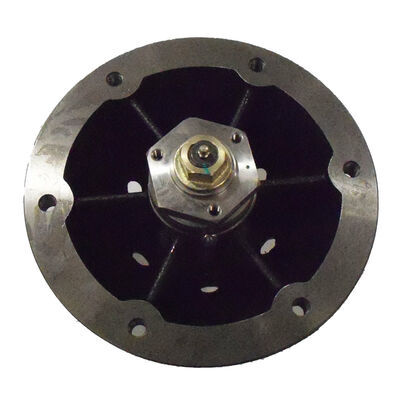
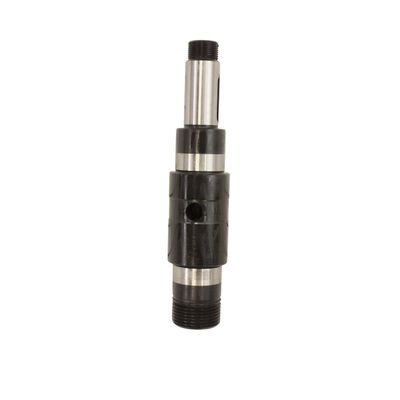
The spindle is the essential mechanical part that attaches the mower's blades to the deck and enables them to spin. Housed in a lawn mower spindle assembly, it typically includes a shaft, bearings, and a housing, all working together to rotate the blades smoothly and efficiently. Whether using a riding mower or a push model, the spindle plays a key role in delivering a clean and even cut.
Why the Spindle is So Important:
-
Blade Rotation: Transfers engine power to the blades for efficient spinning.
-
Smooth Cutting: Ensures consistent blade speed and cutting quality.
-
Even Lawn Appearance: Helps maintain uniform grass height and a neat finish.
-
Reduced Wear: Prevents unnecessary stress on the mower deck and engine.
-
Lawn Health: Avoids scalping or tearing, which can damage grass blades.
-
Early Warning Signs: Look for unusual noises, excessive vibration, or uneven cutting.
Regular inspection, lubrication, and timely replacement of worn parts can extend your mower’s lifespan and help maintain a healthy, attractive lawn.
Looking for reliable solutions to fix your lawn mower's spindle issues? At WholeToolBox, we’ve got you covered with top-quality parts like spindle assemblies, bearings, and blade adapters from trusted brands such as Husqvarna, Toro, and Craftsman. Get your mower running like new—shop smart with WholeToolBox!
Common Signs Your Lawn Mower Spindle is Failing
Spotting early signs of a failing lawn mower spindle can save you from costly repairs and downtime. Since the spindle directly affects blade performance, any issue can lead to poor cutting results and mower inefficiency.
-
Unusual Noises: During mowing, grinding, screaming, or rattling noises are frequently signs of internal damage or worn spindle bearings.
-
Excessive Vibration: Increased vibration while using the mower usually means the spindle is unbalanced or failing.
-
Uneven Cuts: Patchy or scalped grass can result from a bent or malfunctioning spindle affecting blade alignment.
-
Overheating: A spindle that becomes excessively hot after mowing may have failing bearings or insufficient lubrication.
-
Loose or Wobbly Blades: Blades that move or wobble when the mower is off often signal spindle shaft or bearing problems.
-
Blade Doesn’t Spin: If the blade fails to spin freely, the spindle could be seized or severely damaged.
-
Burning Smell: A burning odor while mowing can indicate that the spindle bearings are overheating or failing.
-
Increased Engine Load: Difficulty pushing the mower or engine strain may be caused by a faulty spindle creating resistance.
Addressing these issues early helps ensure optimal mower performance and extends the life of your equipment.
Common Spindle Problems and Their Causes
Lawn mower spindles are subject to wear and tear due to their constant movement and exposure to dirt, debris, and moisture. Understanding the most common spindle problems and their causes can help gardeners troubleshoot issues and maintain their mowers effectively.
Worn Bearings
Bearings wear out over time due to a lack of lubrication, contamination from dirt or debris, and regular heavy use. This causes grinding noises, vibration, and uneven blade rotation.
Fix: Clean the mower regularly and grease the spindle bearings with manufacturer-recommended lubricant. Replace worn bearings promptly to avoid further damage.
Spindle Shaft
Impact with hard objects such as rocks, tree roots, or curbs can bend or damage the spindle shaft, causing blade wobble and uneven cutting.
Fix: Avoid mowing over known obstacles. Inspect the spindle after impacts and replace any bent spindle shafts to restore proper blade alignment and performance.
Corrosion and Rust
Corrosion and rust weaken the spindle, potentially causing parts to seize.
Fix: After using your mower, give it a thorough cleaning and store it somewhere dry. Apply rust-preventive sprays and replace corroded parts if necessary.
Broken Spindle Housing
A Loose or broken spindle housing leads to blade wobble and mower vibrations.
Fix: Vibrations and impacts can loosen or crack the spindle housing, affecting blade stability. Tighten any loose bolts and inspect the housing regularly. Replace cracked or damaged housings immediately.
Seized Spindle
Complete bearing failure or buildup of dirt and rust inside the spindle causes it to seize.
Fix: Keep bearings well lubricated and clean. If the spindle seizes, it usually requires full replacement to restore function.
How to Diagnose and Inspect a Faulty Lawn Mower Spindle
A faulty lawn mower spindle can cause uneven cuts, strange noises, and poor mower performance. Early diagnosis and inspection of the spindle helps prevent expensive replacement or repairs. Follow these detailed steps to check your lawn mower spindle:
Visual Inspection
-
Step 1: Look for cracks, bends, or excessive rust on the spindle housing and shaft.
-
Step 2: Inspect the mower blades for wobbling or unusual movement, which often indicates spindle problems.
-
Step 3: Check for missing or damaged spindle nuts and bolts that secure the assembly.
Manual Spin Test
-
Step 1: Lift the mower deck safely, then manually rotate the blade.
-
Step 2: The blade should spin smoothly and quietly without resistance or grinding noises.
-
Step 3: Notice any stiffness, roughness, or uneven spinning that signals worn bearings or a bent spindle shaft.
Listen During Operation
-
Step 1: Start the mower and listen carefully for squeaking, rattling, knocking, or grinding sounds coming from the spindle area.
-
Step 2: Spindle problems may also be indicated by vibrations or excessive shaking while in use.
Check Blade Alignment and Balance
-
Step 1: Verify that blades are properly aligned and balanced. Misalignment often results from a damaged spindle.
-
Step 2: Worn spindles can cause blades to wobble, affecting the quality of the cut.
-
Step 3: Use a blade balancer to check for uneven weight distribution and replace or sharpen blades as needed to ensure smooth operation.
Detailed Inspection:
-
Step 1: Remove the spindle assembly from the mower deck for closer examination.
-
Step 2: Inspect spindle bearings and seals for wear, cracks, rust, or dirt buildup.
-
Step 3: Check the spindle shaft for straightness using a dial indicator or by rolling it on a flat surface.
Check for Movement
-
Step 1: Attempt to move the spindle shaft up and down or side to side. Any noticeable play suggests worn bearings or bushings.
-
Step 2: Excessive movement will impact blade stability and mower performance.
-
Step 3: If movement is detected, disassemble the spindle to inspect internal components and replace any worn parts before further use.
Test Bearing Condition
-
Step 1: Rotate the spindle shaft by hand and feel for roughness or grinding inside the bearings.
-
Step 2: Listen closely for unusual noises, like clicking or squealing, while spinning can also indicate internal bearing damage.
-
Step 3: If bearings feel gritty or stiff, replacement is necessary.
Inspect Lubrication
-
Step 1: Check the spindle for proper lubrication. Dry or contaminated grease can cause premature bearing failure.
-
Step 2: Clean out old grease and re-grease with the manufacturer’s recommended lubricant.
Inspect Deck and Spindle Mounting
-
Step 1: Ensure that the lawn mower deck spindle is firmly and correctly mounted to avoid alignment issues and vibrations.
-
Step 2: All bolts and fasteners should be tightened to the recommended torque levels.
-
Step 3: Check for any cracks or wear around the mounting holes on the deck, as damage here can lead to misalignment and further issues.
Check for Overheating
-
Step 1: Inspect for melted grease or lubricant residue around the spindle area, which can signal overheating.
-
Step 2: Feel the spindle housing after use (carefully), and if it’s unusually hot compared to other parts, overheating may be occurring.
-
Step 3: Examine the bearings and seals for heat damage, such as discoloration or deformation, and replace them if needed.
Observe Performance Issues
-
Step 1: Notice any unusual vibrations or shaking of the mower deck during operation, which can indicate spindle imbalance or wear.
-
Step 2: Watch for increased fuel consumption or engine strain, as a faulty spindle can cause the mower to work harder than normal.
By carefully diagnosing and inspecting using these steps, you can identify issues early, perform necessary lawn mower spindle repairs, and keep your mower operating efficiently.
Refer to this step-by-step guide to change your Briggs & Stratton lawn mower oil for optimal maintenance.
Steps to Replace or Repair a Lawn Mower Spindle
Replacing or repairing a faulty lawn mower spindle is a manageable task with the right tools and a bit of patience. Here is a steps to help you through the process:
Steps to Replace or Repair a Lawn Mower Spindle
Step 1: Prepare the Mower
To avoid unintentional ignition, turn off the mower and unplug the spark plug. Place the mower on a flat surface or use ramps/jacks for easier access.
Step 2: Remove the Mower Deck
Detach the mower deck by removing bolts and any connecting rods or cables, depending on your mower model.
Step 3: Remove the Blades
Using a wrench or socket, loosen and remove the bolts securing the blades to the spindle.
Step 4: Detach the Spindle Assembly
Unscrew the bolts holding the spindle housing to the mower deck and carefully remove the entire spindle assembly.
Step 5: Inspect the Spindle
Check for worn bearings, bent shafts, or cracked housings. Decide whether to repair (e.g., replace bearings) or replace the entire spindle assembly.
Step 6: Repair or Replace
If repairable, replace bearings or lubricate parts. If damaged beyond repair, install a new spindle assembly.
Step 7: Reassemble the Mower
Reattach the spindle housing and blades securely. Then reinstall the mower deck and reconnect any removed parts.
Step 8: Test the Mower
Reconnect the spark plug, start the mower, and check for smooth blade rotation and normal operation without vibration.
Check out this guide on how to replace lawn mower belts to ensure a smooth and efficient repair.
Preventive Maintenance to Extend the Life of Your Lawn Mower Spindle
Regular preventive maintenance is key to extending the life of your lawn mower spindle and ensuring your mower performs at its best. Here are essential maintenance tips to follow:
-
Lubricate Spindle Bearings Regularly: To lessen friction and stop premature wear, use premium oil made for mower spindles and apply it according to the manufacturer's instructions.
-
Clean After Every Use: Remove grass clippings, dirt, and debris from the mower deck and spindle area using a brush or compressed air to avoid corrosion and overheating.
-
Inspect for Wear: Regularly check for unusual noises, blade wobble, or excessive vibration to catch spindle issues early and prevent serious damage.
-
Avoid Hard Impacts: Steer clear of mowing over rocks, tree roots, or other hard objects that can bend or damage the spindle shaft.
-
Proper Storage: To prevent rust and moisture damage to the spindle and other components, store your mower in a dry, covered area.
Regular inspection helps determine if a repair is enough or if full replacement is needed, keeping lawn mower spindle replacement cost in mind.
Also, check out this on how to clean a lawn mower carburetor to ensure your engine runs smoothly and supports long-term performance.
Maintaining a healthy lawn mower spindle is crucial for ensuring your mower’s longevity and optimal performance. By recognizing common spindle problems early, performing regular inspections, and following preventive maintenance practices, you can avoid costly repairs and downtime. Whether you choose to repair or replace a faulty spindle, addressing issues promptly helps maintain a clean, even cut and protects your mower from further damage. With proper care and attention, your lawn mower will continue to deliver reliable service, keeping your lawn looking its best season after season.
FAQs
What is a spindle on a lawn mower?
A spindle is a key component that connects the mower blades to the deck, allowing them to rotate smoothly. It houses the shaft and bearings responsible for blade movement.
How to grease lawn mower spindle?
Locate the grease fitting on the spindle, attach a grease gun, and apply high-quality mower grease until you see old grease push out. Regular greasing prevents bearing wear.
How to tell if a lawn mower spindle is bad?
Signs of a bad spindle include unusual noises, blade wobble, excessive vibration, uneven cuts, or the blade not spinning freely. Early detection helps avoid further damage.
How to remove a spindle from a lawn mower deck?
Disconnect the spark plug, remove the mower blades, then unscrew the bolts securing the spindle housing to the deck. Carefully lift out the spindle assembly.
How to replace a spindle on a riding lawn mower?
Remove the mower deck, take off the blades and spindle assembly, replace the faulty spindle with a new one, then reassemble all parts securely. Test for smooth blade operation.