How to Replace Lawn Mower Belts: A Step-by-Step Guide
A lawn mower belt plays a crucial role in powering your mower’s cutting deck and drive system. Over time, belts can wear out, stretch, or break, leading to poor performance or a non-functioning mower. If your mower has started to lose power, make strange noises, or fail to cut properly, it may be time to replace the belt. While this task may seem daunting, replacing a lawn mower belt is a straightforward process that can be done with minimal tools and a bit of patience. In this guide, we’ll walk you through the steps to replace your lawn mower belts, helping you get your machine back in working order so you can keep your lawn looking its best.
Understanding Lawn Mower Belts and Their Function
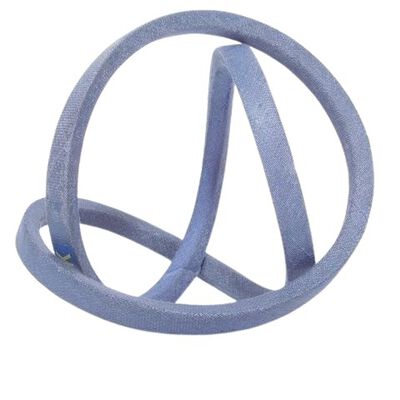
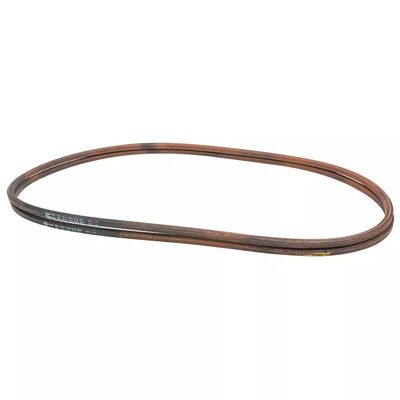
Lawn mower belts are vital components that ensure your mower operates efficiently. The belts function as power transmission components which deliver engine power to different mower elements, including blades and wheels.. Depending on the model, a lawn mower may have multiple belts, each with specific functions. Understanding how these belts work is essential for maintenance and timely replacement.
Key Functions of Lawn Mower Belts:
-
Power Transmission: Belts transfer engine power to the blades, ensuring proper cutting action.
-
Drive Mechanism: The drive belt in self-propelled mowers links the engine to the wheels, which creates mobility.
-
Deck Engagement: The mower blades may revolve to cut grass because the deck belt connects the engine to the deck.
Types of Lawn Mower Belts:
-
Drive Belt: Transfers power from the engine to the wheels or transmission, enabling movement in self-propelled lawn mowers for effortless operation.
-
Deck Belt: The transmission system links the engine power to the blades, which enables efficient grass cutting and steady operational performance.
-
Transmission Belt: Found in some advanced mowers, it helps shift gears smoothly and ensures balanced power distribution between the engine and wheels.
Learning the different kinds of mower belts makes it easier to spot wear early. Your mower operates better with routine evaluation and immediate replacement of worn parts.
Looking to replace your lawn mower belt with reliable parts? At WholeToolBox, you’ll find top-quality components from trusted brands like Honda, Toro, and Echo to keep your mower running smoothly. Explore essential parts like belts, blades, pulleys, and spark plugs—all in one place for quick and easy maintenance.
When and Why You Should Replace a Lawn Mower Belt
Belts don't last forever. Factors like exposure to the elements, improper tension, and accumulated debris can accelerate wear. It's time to consider replacing your mower's belt if you notice:
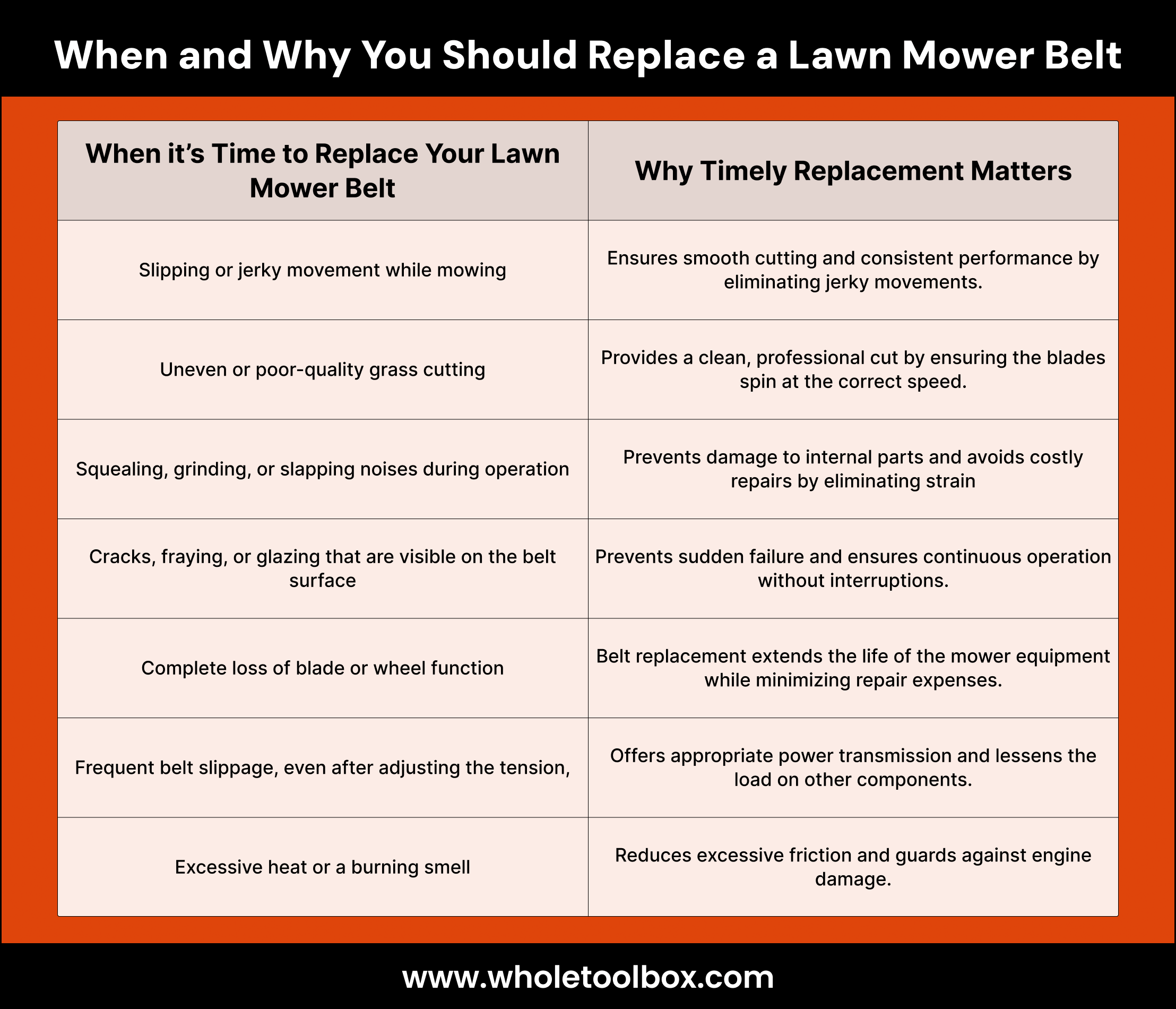
Pro Tip: Inspect your lawn mower belt before each mowing season. Early detection of wear can save time, money, and hassle while keeping your lawn looking its best.
Safety Precautions to Take Before Replacing the Lawn Mower Belt
Safety must be the priority before you replace a lawn mower belt to avoid injuries and damage to the machine. The following safety measures should be followed:
-
Disconnect Spark Plug: Always remove the lawn mower spark plug wire before starting any maintenance work. This step is crucial to prevent accidental starts during maintenance.
-
Turn Off the Engine or Remove the Key: Ensure the engine is completely off and remove the ignition key to eliminate the possibility of the mower starting unexpectedly while you’re working on it.
-
Wear Protective Gear: Safety gloves serve as hand protection against sharp edges and debris, and goggles or safety glasses protect your eyes from flying debris that may occur during maintenance tasks.
-
Stabilize the Mower: For riding mowers, engage the parking brake and use wheel chocks to keep the mower in place. For push mowers, carefully tilt the mower back and use jack stands for added stability.
-
Use the Right Tools: Make sure you have the proper tools, such as wrenches, screwdrivers, and gloves, to avoid injury or unnecessary strain.
-
Let the Engine Cool Down: If the mower was recently in use, allow it to cool down completely before starting any repairs, as engine and exhaust parts can remain hot and cause burns.
-
Clear the Area: Ensure the workspace around the mower is free from debris, tools, or objects that could become hazardous during maintenance.
-
Ensure Proper Lighting: Good lighting is essential for visibility and reduces the risk of mistakes or accidents.
-
Check for Fuel Leaks: Inspect for any fuel leaks before starting the repair process, as fuel is highly flammable.
These safety steps will help you perform both safe and efficient lawn mower belt replacement.
Step-by-Step Instructions to Remove and Replace Lawn Mower Belt
Replacing a lawn mower belt is a key part of routine maintenance that keeps your machine running efficiently. This guide provides safe procedures to remove the old belt while teaching you how to install a new one with assurance.
Step 1: Prepare the Mower
-
Take out the ignition key when you shut down the engine.
-
The spark plug wire needs to be disconnected to prevent accidental engine activation.
-
Work on the engine only when it has reached complete room temperature.
-
Set the mower on a flat surface at a level position before engaging the parking brake.
-
Wheel chocks and blocks should be used to stop riding mowers from moving.
Step 2: Tilt the Mower
-
For riding mowers, raise the mower deck to its highest position.
-
To reach the underside of push mowers, gently flip the mower onto its side, air filter side up.
-
Secure the mower using jack stands if needed for added safety and access.
Step 3: Remove Protective Covers or Deck Shields
-
A screwdriver or socket wrench should be used to take off protective guards and pulley covers.
-
Keep all bolts and parts in a container so nothing is misplaced.
Step 4: Note the Belt Routing
-
Capture a clean image or create a drawing that depicts the belt path arrangement near the pulleys.
-
Refer to the mower’s manual if you're unsure of the routing pattern.
Step 5: Release Belt Tension
-
Locate the tensioner pulley and release tension by removing the spring or using a wrench to move the pulley.
-
Take out the old belt from the pulleys while maintaining a slow pace.
Step 6: Remove the Old Belt
-
Remove the old belt by gently pulling it out from all the pulley grooves.
-
Inspect pulleys and bearings for damage or excessive wear while the belt is removed.
-
Clean around the pulley system to remove built-up debris and grass.
Step 7: Install the New Belt
-
Check that the new belt matches the old one in terms of size, type, and thickness.
-
Route the new belt using your reference photo or manual instructions.
-
Verify that the belt fits correctly into all pulley grooves.
-
Reinstall or re-engage the tensioner spring or pulley.
Step 8: Check Belt Alignment and Tension
-
Manual spinning of the pulleys should be performed to verify smooth belt movement and proper alignment.
-
Ensure the belt has the correct tension, neither too loose nor too tight, to prevent slippage or premature wear.
Step 9: Reassemble the Mower
-
Reattach any covers, guards, and lawn mower deck components that were removed.
-
Lower the deck back to the desired cutting height (for riding mowers).
Step 10: Reconnect the Spark Plug Wire
-
Turn on the mower and allow it to operate for several minutes.
-
Observe the belt operation to ensure it is running smoothly and quietly.
Step 11: Perform a Test Cut
-
Engage the blades and mow a small patch of grass.
-
Confirm that the mower is cutting efficiently and the belt is functioning correctly.
For more insights, check out the common lawn mower belt problems and their solutions to ensure a smooth and hassle-free repair process.
Maintenance Tips to Extend the Life of Your Lawn Mower Belt
Proper maintenance is key to maximizing the lifespan of your lawn mower belt and ensuring your mower performs at its best. Regular maintenance can prevent early replacements of your car while simultaneously reducing the chances of unanticipated breakdowns.
-
Regularly Inspect the Belt: Examine the belt for any indications of wear together including cracks and fraying, and glazing.. Catching these early allows you to replace the belt before it fails during use.
-
Clean the Mower Deck: Grass clippings, dirt, and debris can build up around the belt and pulleys, increasing friction and wear. Regular cleaning of the deck following use helps stop this issue.
-
Adjust Belt Tension: A belt that’s too loose can slip, while one that’s too tight can wear out prematurely. Refer to your mower’s manual to ensure proper tension is maintained.
-
Lubricate Moving Parts: Keep pulleys and other moving components well-lubricated. This reduces friction and helps the belt run smoothly.
-
Avoid Overloading the Mower: Cutting tall, thick grass or mowing too fast can overstrain the belt. Mow in manageable sections to reduce stress on the belt system.
-
Store the Mower Properly: Place your mower inside a dry, sheltered area. Moisture and temperature extremes can degrade rubber belts over time.
With these simple practices, you’ll protect your mower belt and extend the life of your entire lawn mower.
Replacing a lawn mower belt may seem like a daunting task, but with the right tools, clear instructions, and safety precautions, it’s a manageable and rewarding DIY project. The belt system functions as the essential element for delivering power transmission and operating the mower with efficiency.. By understanding the belt’s role, recognizing signs of wear, and following a step-by-step replacement process, you can keep your mower running efficiently season after season.
Regular maintenance like cleaning the deck, inspecting the belt, and storing your mower properly will also help extend the life of your belt and prevent unexpected breakdowns. Whether you're maintaining a push mower or a riding model, being proactive about belt care saves time, money, and frustration in the long run.
FAQs
How to put a belt on a riding lawn mower?
Disconnect the spark plug and remove the mower deck to access the belt. Carefully route the new belt according to the mower's diagram, then reassemble the parts.
How to adjust belt tension on a riding lawn mower?
Locate the tensioner pulley on the mower and adjust it using a wrench or other tool. Proper tension ensures smooth operation without excessive wear.
How to measure a lawn mower belt?
Use a tape measure or string to measure the belt's outer circumference. Compare the measurement to the manufacturer's specifications for a proper fit.
How to replace a belt on a riding lawn mower?
Remove the deck and release the tension on the old belt before installing the new one. Follow the routing guide and reassemble the mower for testing.