Top 10 Tanaka Weed Wacker Maintenance Tips Every Lawn Owner Should Know
A Tanaka weed wacker is an essential tool for keeping lawns clean, edges sharp, and overgrowth under control. However, consistent performance depends on proper maintenance. Without routine care, problems like hard starting, uneven trimming, or reduced engine efficiency can quickly develop. Understanding the right maintenance practices not only improves cutting performance but also helps extend the lifespan of your equipment. In this guide, we cover the top 10 Tanaka weed wacker maintenance tips every lawn owner should know, helping you prevent common issues, improve efficiency, and keep your trimmer operating reliably throughout the mowing season.
Understanding How a Tanaka Weed Wacker Works
Before diving into maintenance, it’s helpful to understand how a Tanaka weed eater operates. Most models are powered by a small gasoline engine or an electric motor, which spins a cutting head at high speed. The spinning line trims grass and weeds with precision, reaching areas a lawn mower cannot. Below are the key components and their functions:
-
Engine or Motor: Provides the power required to rotate the cutting head. Gasoline engines provide mobility and high power for clearing thick vegetation, while electric motors are quieter, lighter, and easier to maintain.
-
Drive Shaft: Transfers power efficiently from the engine to the cutting mechanism. Some models have flexible or rigid shafts depending on the design and intended use.
-
Cutting Head & Line: The cutting line spins at high speed to slice through grass and weeds. Replacing or upgrading the Tanaka string trimmer head can improve cutting performance.
-
Throttle Control: Allows the user to adjust engine speed. Slower speeds are ideal for delicate trimming near plants, while higher speeds handle thick weeds or dense grass.
-
Protective Guard: Shields the operator from debris, clippings, and small rocks. It also helps prevent accidental contact with the spinning line, improving safety.
-
Fuel or Power Management: For gas models, proper fuel mix and storage are essential. Electric models require monitoring battery levels and charging cycles to ensure consistent performance.
-
Maintenance Needs: Regular cleaning of the cutting head, air filter, and cooling fins, along with lubrication of moving parts and inspection of Tanaka weed eater parts, prevents breakdowns.
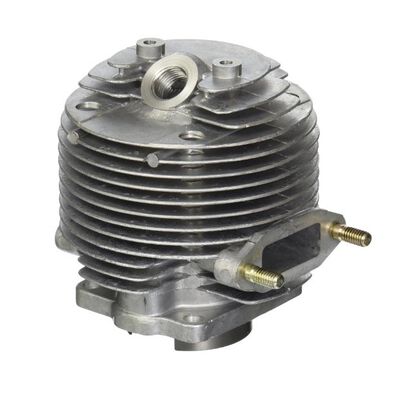
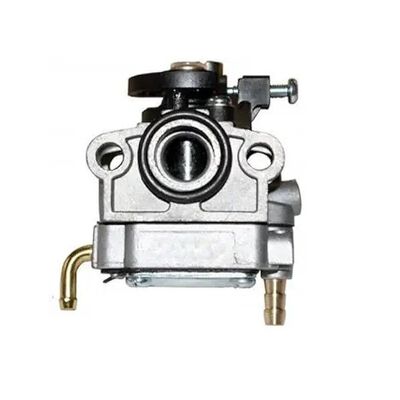
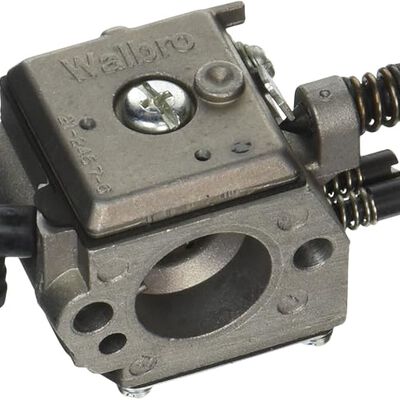
Looking for reliable parts to keep your Tanaka weed eater running at its best? Shop high-quality lawn equipment parts at WholeToolBox at competitive prices, where we offer durable components such as carburetors, trimmer heads, ignition coils, and drive shafts designed for optimal performance and long-lasting reliability.
Common Tanaka Weed Wacker Problems Caused by Poor Maintenance
Neglecting regular maintenance can cause a range of issues that affect performance, safety, and the lifespan of your trimmer. Below are the most common problems that occur when regular maintenance is ignored.
-
Engine Starting Issues: One of the most frequent complaints from users is difficulty starting the trimmer. This often happens due to clogged air filters, old fuel, or a dirty spark plug.
-
Reduced Cutting Performance: When the trimming line becomes worn or tangled, the machine struggles to cut grass effectively. Debris buildup inside the cutting assembly can also affect performance.
-
Overheating: Overheating occurs when ventilation areas are blocked or when the engine is forced to run harder than necessary due to dull or damaged components.
-
Excessive Vibration: If internal components loosen over time, the machine may vibrate more than usual. This can reduce cutting accuracy and make the tool uncomfortable to operate.
-
Premature Wear of Components: Failing to inspect Tanaka weed-eater parts regularly can lead to unexpected breakdowns. Small issues like worn fasteners or damaged trimming heads may grow into larger mechanical problems if ignored.
Understanding these issues highlights why proper maintenance is essential. Fortunately, most of these problems can be prevented with simple care routines.
Check out how to fix common issues with your Tanaka weed trimmer and learn quick fixes to keep it running smoothly
Top 10 Tanaka Weed Wacker Maintenance Tips for Peak Performance
Tanaka weed wacker maintenance is essential for keeping your trimmer running smoothly and cutting efficiently. Here are 10 key tips every lawn owner can follow to ensure peak performance all season.
-
Clean the Trimmer: Grass clippings, dirt, and debris can accumulate around the cutting area and engine housing. After each use, wipe the machine down and remove any debris from the area around the cutting head or guard.
-
Inspect the Cutting Line: The trimming line gradually wears down during grass cutting. Check the line regularly and replace it if it becomes too short or brittle. A fresh line improves cutting efficiency and reduces strain on the engine.
-
Replace Worn Parts: Many mechanical issues occur because users continue operating equipment with worn components. Inspect Tanaka string-trimmer parts, such as the spool, drive shaft, and guard, to ensure they remain in good condition.
-
Clean the Air Filter: The air filter prevents dust and debris from entering the engine. If the filter becomes clogged, the engine may lose power or stall. Cleaning or replacing the filter regularly helps maintain proper airflow.
-
Check the Spark Plug: A dirty or worn spark plug can cause starting problems and reduced engine performance. Inspect it periodically and replace it when necessary to keep the engine running smoothly.
-
Use Fresh Fuel: Old fuel can degrade over time and lead to engine problems. Always use fresh fuel and store gasoline in a sealed container. If the trimmer will not be used for an extended period, drain the fuel tank before storage.
-
Tighten Fasteners: Continuous vibration during operation can loosen fasteners. Regularly inspect and tighten bolts, especially around the engine housing and handle area.
-
Lubricate Moving Parts: Certain internal parts require lubrication to reduce friction and wear. Following the manufacturer’s lubrication schedule helps keep the machine operating smoothly.
-
Inspect the Cutting Head: The cutting head takes the most stress during operation. A damaged Tanaka weed wacker head can cause uneven trimming or excessive vibration. Replace it if cracks or severe wear appear.
-
Store Properly: Proper storage protects the tool from dust, moisture, and extreme temperatures. Store the equipment in a dry location and hang it if possible to prevent damage.
By following these simple maintenance practices, lawn owners can keep their trimmers performing efficiently throughout the mowing season.
When to Replace Parts in a Tanaka Weed Wacker
To keep your Tanaka weed wacker running efficiently and safely, regularly check these critical components and replace them when necessary:
-
Trimming Line: Change the line if it becomes too short, brittle, or uneven. Inspect the cutting head for cracks or excessive wear, as a damaged head can cause vibration and uneven trimming.
-
Air Filter: Replace the air filter when cleaning no longer restores proper airflow. A clogged filter reduces engine efficiency and can cause overheating.
-
Spark Plug: Swap the spark plug if you notice carbon buildup, corrosion, or wear. A worn spark plug can cause hard starts, misfires, or poor engine performance.
-
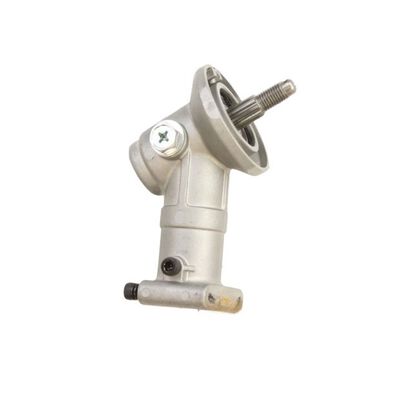
Drive Shaft & Gearbox Components: Check for looseness, corrosion, or wear. Replace any worn parts promptly to avoid operational failures.
-
Fasteners & Guards: Ensure all screws, bolts, and protective guards are intact. Replace any that are loose or damaged to maintain safety and prevent mechanical problems.
-
Fuel Lines & Filters: Replace cracked fuel lines or clogged filters to ensure proper fuel flow and prevent engine stalling.
Regular maintenance and timely replacements of these Tanaka weed wacker parts will help your trimmer perform at its best and extend its lifespan.
FAQs
Are you supposed to grease weed wacker heads?
Yes. Lightly greasing the moving parts of the trimmer head and gearbox reduces friction and extends component life. Use a high-quality general-purpose lubricant and avoid over-greasing.
Does soaking a weed-eater string in water make it last longer?
No. Soaking the line is unnecessary and won’t improve durability. Instead, use the correct line diameter for your trimmer and replace worn lines promptly for consistent cutting performance.
How do you lubricate a weed eater?
Lubricate the drive shaft, gearbox, and any moving metal parts. Apply a thin layer of high-quality oil or grease to reduce friction, but avoid excess lubrication that could attract debris.
| Disclaimer: This content is for informational purposes only. Maintenance methods may vary depending on your Tanaka weed wacker model, so always follow the manufacturer’s instructions. Use this information at your own risk, as no liability is accepted for any damage or injury. |