How to Diagnose Mower Muffler Problems: Expert Troubleshooting Tips
A mower’s muffler plays a crucial role in reducing noise and safely directing exhaust away from the engine. When your mower’s muffler starts to malfunction, you may hear louder noises, experience reduced engine performance, or detect unusual smells. Ignoring these problems can cause serious engine damage or create safety risks. That’s why it’s crucial to recognize the warning signs early and understand how to diagnose common muffler issues. In this article, we’ll provide expert troubleshooting tips to help you quickly and easily identify muffler problems. Whether you’re a DIY enthusiast or simply want to keep your mower in top shape, these tips will guide you through diagnosing and fixing mower muffler issues effectively. for a quieter, more efficient mowing experience.
Understanding the Role of the Mower Muffler
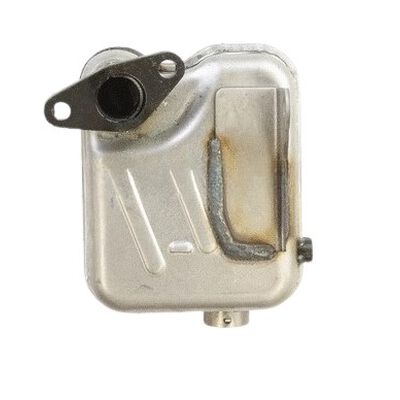
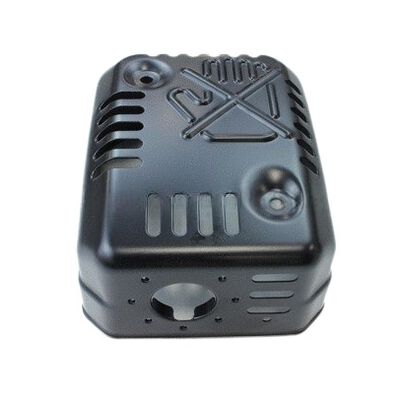
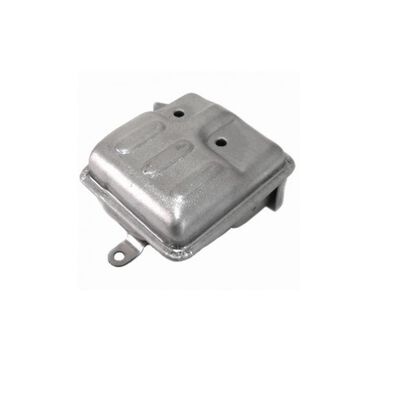
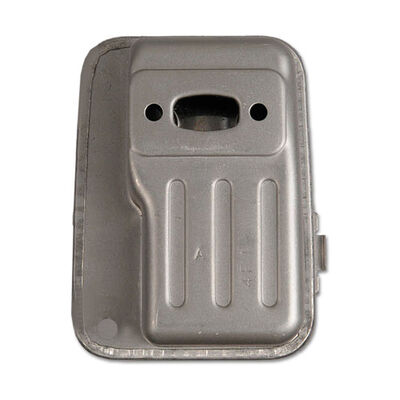
The lawnmower’s muffler is a crucial component of the exhaust system. Its primary function is to minimize engine noise while safely channeling exhaust gases away from both the operator and the mower’s internal parts. Beyond these basic functions, a well-maintained muffler offers several key advantages:
-
Significantly Reduces Noise Pollution: It lowers loud exhaust sounds, making mowing quieter and more comfortable for you and your neighbors.
-
Enhances Safety by Managing Exhaust Gases: Properly vents harmful fumes like carbon monoxide, promoting safer use.
-
Improves Engine Performance and Longevity: Ensures smooth exhaust flow, reducing backpressure that can decrease power or cause overheating.
-
Boosts Fuel Efficiency: An engine that has free-flowing exhaust uses less fuel and emits less pollution.
-
Prevents Damage to Other Components: Directs hot gases away from sensitive parts like the fuel tank, preventing heat damage or fire risk.
-
Helps Comply with Noise Regulations: Keeps noise levels within legal limits, helping avoid fines or complaints.
Understanding these benefits highlights why regular muffler maintenance is crucial for optimal mower performance, safety, and efficiency.
Need the right tools and parts to troubleshoot your mower muffler issues? WholeToolBox offers high-quality blades, air filters, and mufflers from leading brands like Echo, Tanaka, Husqvarna, and Craftsman to get your mower back in top shape quickly!
Common Signs of Muffler Problems in Lawn Mowers
Being aware of the clear, noticeable signs of mower muffler problems allows you to detect issues early and maintain your mower’s performance. Watch out for these key indicators:
-
Noticeably Loud or Unusual Engine Noise: Your mower becomes louder than usual, with rattling or unusual sounds during operation.
-
Visible Thick or Abnormal Smoke: You see thick, black, white, or excessive smoke coming from the muffler area.
-
Strong and Persistent Exhaust Smell: A strong exhaust odor is noticeable around the mower while it is running.
-
Visible Rust, Holes, or Cracks on Muffler: The muffler surface shows clear rust spots, holes, or cracks.
-
Noticeable Loss of Engine Power: The mower feels weaker, struggles to start, or runs unevenly during mowing.
-
Engine Running Hotter Than Normal: You observe the mower’s engine temperature rising or the engine feels hotter during use.
Tools and Safety Precautions for Muffler Inspection
Before diving into inspection and repair, it’s essential to gather the right tools and follow safety protocols to avoid injury.
Essential Tools:
-
Socket wrench set or screwdriver (depending on your mower’s muffler attachment)
-
A flashlight or inspection mirror to check difficult-to-see spots
-
Wire brush or sandpaper for removing rust and debris
-
Protective gloves to guard against burns and cuts
-
Safety glasses to shield your eyes from flying debris
-
Torque wrench (optional, for precise reassembly)
-
Replacement muffler or muffler parts if needed
Safety Precautions:
-
Cool Down First: Always ensure the mower engine is completely cool before working on the muffler, as it gets extremely hot during operation.
-
Disconnect Spark Plug: Prevent accidental starting by disconnecting the spark plug wire.
-
Work in a Well-Ventilated Area: Exhaust gases are harmful; inspect and repair outdoors or in a well-ventilated space.
-
Use Protective Gear: Gloves and eye protection prevent burns, cuts, and debris injuries.
-
Handle Rust Carefully: Be cautious when handling rusty mufflers because they may have sharp edges.
Step-by-Step Muffler Inspection Process in Lawn Mowers
Inspecting your lawn mower’s muffler can help prevent long-term damage and costly repairs. Follow these steps carefully to spot issues early and maintain proper exhaust function.
Step 1: Prepare the Mower
-
Select a Safe Spot: Position the mower on a level, stable surface, clear of any flammable materials or ignition risks.
-
Allow Engine to Cool: Ensure the engine is fully turned off and cooled to prevent burns.
-
Disconnect the Spark Plug Wire: Detach the spark plug wire to avoid accidental engine startup during your inspection.
Step 2: Locate the Muffler
-
Identify Muffler Position: The muffler is usually mounted on the side or rear of the engine.
-
Recognize Muffler Appearance: Look for a metal, vented component attached to the exhaust port.
Step 3: Visual Inspection
-
Check for Surface Damage: Use a flashlight to spot rust, cracks, holes, or dents on the muffler surface.
-
Inspect Mounting Bolts: Look for missing, loose, or rusted bolts securing the muffler.
-
Examine Exhaust Gasket: Check the gasket between the muffler and engine for leaks or deterioration.
Step 4: Listen and Smell
-
Restart Engine Briefly: Reconnect the spark plug wire and start the cooled engine for a short time.
-
Listen for Unusual Sounds: Pay attention to rattling, hissing, or popping noises near the muffler.
-
Smell for Exhaust Odors: Detect any strong, raw fuel, or exhaust smells around the muffler connection.
Step 5: Check for Blockages
-
Inspect Muffler Outlet: Look inside the muffler opening for carbon buildup, debris, or mud.
-
Clean Obstructions: Use a wire brush or compressed air (if safe) to clear any blockage.
Step 6: Physical Testing
-
Check Muffler Stability: Carefully wiggle the muffler to confirm it is securely attached and doesn’t move excessively.
Step 7: Remove the Muffler
-
Remove Mounting Bolt: Loosen and remove the muffler bolts using a tool or socket set.
-
Detach Muffler Carefully: Remove the muffler from the exhaust port cautiously.
-
Inspect Internal Components: Check internal baffles and surfaces for rust, breaks, or burn marks.
Check this guide on common lawn mower belt problems and their solutions to better understand how related mechanical issues can affect overall mower performance and how to fix them effectively.
Diagnosing Specific Muffler Issues and Their Causes
Understanding mower muffler troubleshooting helps identify hidden issues not found during routine checks. Here are key problems, their causes, symptoms, and expert solutions.
Black or Blue Exhaust Smoke
Issue: Burning smoke from the muffler indicates combustion or oil issues affecting exhaust quality.
Possible Causes:
-
Excessive fuel mixture causing incomplete combustion
-
Oil leaking into combustion chamber from worn piston rings or valves
-
Dirty air filter restricting airflow
Symptoms:
-
Thick black (rich fuel) or bluish (burning oil) smoke from exhaust
-
Reduced engine power and fuel efficiency
-
Strong, unpleasant exhaust odor
Solutions:
-
Adjust Carburetor Settings: Lean out the carburetor's fuel mixture to correct excessive richness.
-
Maintain Engine Parts: Fix or replace worn piston rings, valve seals, or gaskets that lead to oil leaks.
-
Clean or Swap Out Air Filter: Keep airflow optimal to avoid a rich fuel mixture and reduce smoke.
Muffler Overheating and Discoloration
Issue: Overheating mufflers can warp or crack, causing lasting damage and performance issues.
Possible Causes:
-
Engine running too lean, causing excessive heat
-
Blocked exhaust passage causing heat buildup
-
External damage reduces heat dissipation
Symptoms:
-
Muffler surface glowing red or showing blue discoloration
-
Smell of burning paint or metal near muffler
-
Engine performance issues and shutdowns
Solutions:
-
Correct Fuel-Air Ratio: Tune engine to avoid lean conditions that cause overheating.
-
Clear Exhaust Blockages: Remove soot, carbon deposits, or debris restricting exhaust flow.
-
Replace Heat-Damaged Muffler: Swap out warped or cracked mufflers to restore safe operation.
Foul Exhaust Odor or Smoke Leakage
Issue: A bad smell or visible smoke escaping from muffler joints usually signals leaks in the exhaust system.
Possible Causes:
-
Rusted-through holes or cracks in muffler body
-
Loose or missing bolts creating gaps
-
Damaged or worn exhaust gasket
Symptoms:
-
Strong, pungent exhaust smell around the mower
-
Smoke visibly escaping from muffler seams or joints
-
Decreased engine efficiency or misfires
Solutions:
-
Patch or Replace Leaking Muffler: Small leaks may be sealed temporarily and replace the muffler if damage is extensive.
-
Tighten or Replace Mounting Hardware: Ensure all connections are tight and replace any missing bolts or clamps.
-
Install New Exhaust Gasket: A fresh gasket will restore a proper seal between the engine and muffler.
Repair and Replacement Tips for Mower Mufflers
Understanding when to repair your mower’s muffler and when to replace it can help you save both time and money. Here are expert tips to guide you in making the right decision and carrying out the repairs efficiently.
Repair Tips:
-
Small Holes and Cracks: Use high-temperature muffler repair tape or epoxy to seal minor holes temporarily.
-
Rust Removal: Clean surface rust with a wire brush and apply a rust-inhibiting paint designed for exhaust parts.
-
Tighten Loose Bolts: Replace damaged bolts and secure the muffler firmly to prevent rattling.
Replacement Tips:
-
Choose the Right Muffler: Match the mower ent mufflers replacem with your mower model and engine specifications.
-
OEM vs. Aftermarket: OEM parts ensure a perfect fit and quality, but aftermarket options may offer cost savings.
-
Installation: Follow the manufacturer’s instructions carefully. Use new gaskets or seals if applicable.
-
Dispose of Old Muffler Properly: Mufflers may contain hazardous materials; recycle or dispose of per local regulations.
Check out this guide on how to replace Toro lawn mower parts or follow the step-by-step instructions to handle muffler repairs and other common replacement issues.
Conclusion
Identifying mower muffler issues early is essential for maintaining your equipment’s smooth and efficient operation. By paying attention to unusual noises, checking for visible damage or blockages, and performing regular maintenance, you can identify issues before they cause serious engine trouble. Following these expert troubleshooting tips ensures your mower stays reliable, reduces emissions, and delivers optimal performance season after season. Ignoring muffler problems can lead to decreased engine power and increased fuel consumption, costing you more in the long run. Stay proactive with your mower’s care to extend its lifespan and enjoy hassle-free mowing every time.
FAQs
How to clean lawn mower muffler?
Use a wire brush to remove carbon buildup and debris from the muffler exterior and exhaust port. For internal cleaning, remove the muffler and clear out soot or blockages carefully.
How can I make my lawn mower muffler quieter?
Ensure the muffler is securely attached and free of damage or clogs. You can also install a quieter aftermarket muffler or add a spark arrestor to help reduce noise.
Can you run a lawn mower without a muffler?
Yes, but it's not recommended due to excessive noise and potential engine damage. Running without a muffler can also violate local noise regulations.
Can I run a lawnmower without a muffler?
Technically, yes, but it’s not recommended as it increases noise and exhaust emissions. Running without a muffler can also harm the engine and violate local noise regulations.