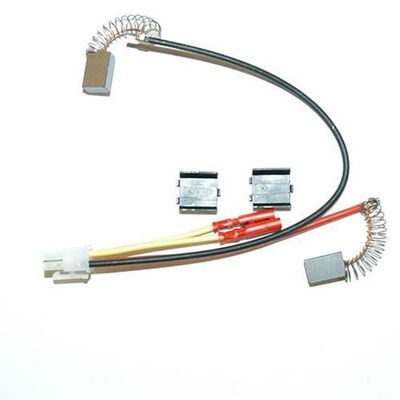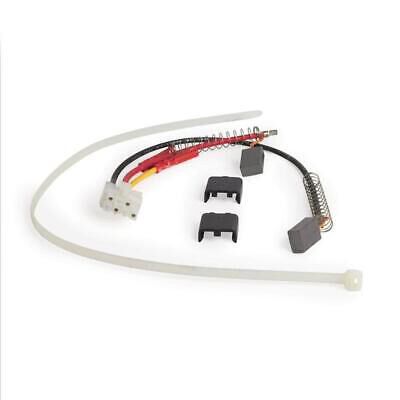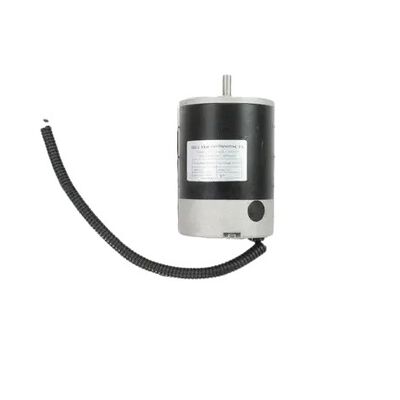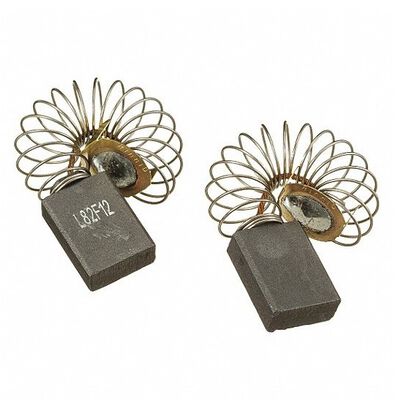
How Worn Motor Brushes Affect Performance: What You Need To Know
Motor brushes are essential components in electric motors, ensuring the smooth transfer of electrical current to the armature. Over time, these brushes can wear down due to constant friction, leading to significant performance issues. When motor brushes become worn, they can cause a variety of problems, such as decreased efficiency, increased power consumption, and potential damage to other motor parts. Identifying the signs of worn brushes early can prevent costly repairs and extend the lifespan of the motor. In this article, we’ll explore how worn motor brushes impact performance, the signs to look for, and how to maintain or replace them to keep your motor running at its best. Understanding these factors is crucial for maintaining optimal motor performance and avoiding breakdowns.
Understanding Motor Brushes and Their Role in Performance
Electric motors depend on motor brushes to transfer electrical power to the rotor through their essential role. They maintain continuous contact with the commutator, enabling the motor to rotate. Without motor brushes, the transfer of current would be unreliable, and the motor wouldn't function properly.
Here’s how motor brushes contribute to performance:
-
Electrical Conductivity: Motor brushes serve as connectors between static and moving motor components to transmit electrical power from the power source to the rotor.
-
Direction Control: By switching the direction of the electrical current through the commutator, motor brushes help control the rotation direction of the motor.
-
Wear and Tear: Over time, the brushes wear down due to constant friction with the commutator, which is a natural part of their function. The material they’re made from, typically carbon, helps minimize damage to the commutator.
-
Smooth Operations: Properly functioning motor brushes ensure smooth, uninterrupted motor operation. If they wear out, it can lead to inefficient power transfer and performance issues.
Motor brushes are critical for the seamless operation of electric motors, contributing to energy efficiency, longevity, and overall performance.
Types of Motor Brushes and Their Applications
Motor brushes exist in different types, which are optimized for particular operational environments and motor usage scenarios. Knowing brush distinctive characteristics enables users to pick the optimal choice for better motor duration and performance.
-
Carbon Brushes: These motors represent the most popular choice because they work well for standard applications. They offer good conductivity and low commutator wear, making them ideal for small appliances and light-duty tools.
-
Graphite Brushes: Known for their lubricating properties, these are best for high-speed motors and continuous operation. They're often used in power tools and industrial fans.
-
Copper Graphite Brushes: These have high conductivity and are used in low-voltage, high-current applications, such as battery-powered equipment, forklifts, and welding generators.
-
Metal Graphite Brushes: Designed for heavy-duty industrial applications, they offer excellent conductivity and durability under extreme loads. They're often used in slip ring motors and large generators.
Read our guide on how to choose the right power tools for home improvement to understand the tools' performance and durability for specific tasks.
Impact of Worn Motor Brushes on Motor Efficiency
Worn motor brushes can mostly reduce the efficiency of an electric motor, leading to performance issues. As brushes wear down, their ability to maintain consistent contact with the commutator is compromised, disrupting electrical flow and motor functionality.
-
Reduced Power Output: Worn brushes can’t transfer electrical current effectively, reducing the motor’s power output. This leads to slower performance, making it struggle with even basic tasks.
-
Increased Energy Consumption: The motor works harder to compensate for poor electrical contact, leading to higher energy consumption and operating costs.
-
Irregular Motor Speed: Uneven current flow due to worn brushes can cause fluctuations in motor speed, affecting equipment that requires stable operation.
-
Heat Generation: Poor contact generates excess heat, reducing motor efficiency and risking overheating, which can damage components and lead to costly repairs.
-
Decreased Torque: Worn brushes struggle to deliver power to the rotor, causing a loss of torque. The motor may struggle to drive machinery or heavy loads efficiently.
Worn brushes decrease motor efficiency, raise energy costs, and increase the risk of damage. Regular maintenance is the primary method of preventing these problems from occurring.
Check out our article on the role of technology in revolutionizing power tools to learn how innovations have improved efficiency and reduced maintenance.
How Worn Brushes Can Lead to Motor Failure
Worn motor brushes can significantly affect the performance of an electric motor, and if left unaddressed, they can lead to motor failure. As motor brushes wear down, their ability to maintain proper contact with the commutator diminishes, causing several issues.
-
Loss of Electrical Contact: Worn brushes fail to make consistent contact with the commutator, disrupting electrical current flow, leading to poor motor performance, erratic operation, and overheating.
-
Excessive Sparking: Worn brushes may cause sparks due to poor contact. These sparks can damage both the brushes and the commutator, potentially leading to severe electrical issues or fires.
-
Increased Friction and Heat: Worn brushes increase friction, generating excess heat that can damage the commutator and other motor components, shortening the motor's lifespan.
-
Motor Stalling and Reduced Power: A worn brush results in lower power output, causing the motor to struggle and eventually stall or fail.
-
Worn Commutator: Prolonged brush wear can lead to grooves or pitting on the commutator, making it harder to maintain electrical flow.
-
Vibration and Noise: Uneven brush wear causes vibration and noise, putting stress on bearings and accelerating motor wear.
Timely brush replacement is crucial to avoid motor failure and ensure long-term efficiency.
When to Replace Motor Brushes and How to Do It Safely
Time-efficient replacement of motor brushes enables optimal performance levels and protects the equipment from harm. Worn brushes can reduce power, increase energy use, and lead to motor failure. Before performing a replacement analyze these steps for safety assurance:
Signs It's Time to Replace Motor Brushes:
-
Power Loss: If the motor struggles to start or lacks power, worn brushes might be the cause.
-
Strange Noises or Sparking: Excessive noise or sparking from the motor indicates poor brush-to-commutator contact.
-
Visible Wear: Check the brushes for noticeable wear or a reduction in length, which is an obvious sign they need replacing.
-
Overheating: If the motor is overheating more than usual, worn brushes could increase friction.
How to Replace Motor Brushes Safely:
-
Turn Off the Power: Disconnection of the power supply must occur before starting any work on the motor.
-
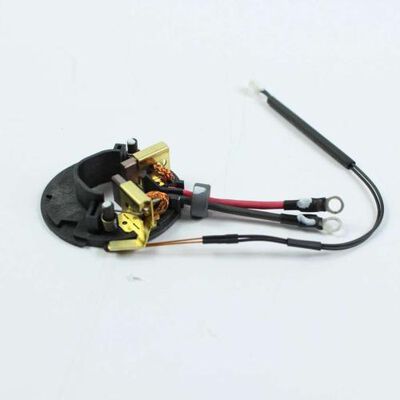
Remove the Brush Holder: Access the brushes by carefully removing the brush holder or cover.
-
Replace the Brushes: Replace worn brushes with new ones that follow the motor's specifications.
-
Reassemble and Test: Reinstall the motor components while making sure the brushes stay properly positioned before conducting a functionality test.
Regular inspection and immediate replacement of motor brushes ensures both operational efficiency and safety of the motor.
Preventive Measures to Extend Motor Brush Life
Proper maintenance can significantly extend motor brush life and prevent premature wear, ensuring optimal motor performance. Several preventive steps help decrease motor replacement requirements while improving their lifespan.
-
Regular Inspections: Regular inspection of brushes allows you to identify signs of wear as well as cracks and blockages with debris. Early detection allows for timely replacement before performance is affected.
-
Clean the Motor: Dust and debris around the brushes and commutator increase friction and wear. Regular cleaning helps maintain efficient operation.
-
Use the Right Brushes: Use the correct type for your motor. High-quality, durable brushes provide better conductivity and last longer.
-
Proper Storage and Handling: Store motors in dry, clean conditions to avoid moisture and contaminants that can accelerate wear. Handle carefully to protect brush assemblies.
-
Avoid Overloading the Motor: Overloading causes strain on brushes, leading to faster wear. Always operate within the manufacturer’s load limits.
-
Ensure Proper Ventilation: Heat buildup from poor ventilation accelerates brush wear. Make sure the motor stays cool and runs within safe temperature ranges.
-
Lubrication and Alignment: Keep motor parts lubricated and brushes properly aligned to reduce friction and extend lifespan.
Following these practices will help keep your motor brushes in good condition and ensure reliable motor performance over time.
The performance and operational efficiency of electric motors suffer when motor brushes become worn out. From reduced power output and increased energy consumption to noise, overheating, and damage to critical components, the effects of neglecting brush maintenance can be costly and disruptive. Recognizing the early warning signs and taking proactive steps, such as regular inspections, timely replacements, and safe handling practices, ensures that your motor continues to operate smoothly and reliably. By prioritizing motor brush care, you not only extend the life of your equipment but also maintain peak performance, reduce downtime, and save on long-term maintenance costs.
Looking to restore your motor’s performance or fix worn-out parts? WholeToolBox has you covered with high-quality motor brushes, commutators, armature assemblies, and brush holders. Shop trusted brands like Makita, DeWalt, and Ridgid—all in one place to keep your tools running like new.
FAQs
How to tell if a brushed motor is bad?
A badly-brushed motor may show signs like reduced power, strange noises, excessive sparking, or failure to start. Inspect for worn brushes, damaged commutators, or a burning smell.
How long should motor brushes last?
Motor brushes typically last between 1,000 to 5,000 hours of use, depending on motor type, load, and operating conditions.
Why do my motor brushes keep burning out?
Brushes may burn out due to excessive load, poor ventilation, high friction, or a damaged commutator, causing arcing and overheating.
When should a brush be changed?
Brushes should be replaced when they are worn down to about half their original length or if they show signs of cracking, chipping, or uneven wear.