Paint Sprayer Troubleshooting 101: Fix Clogs, Spitting, and Uneven Spray
Paint sprayers are essential for homeowners and professionals, making painting faster and finishes smoother than brushes or rollers. Yet, even quality sprayers can face problems like clogs, spitting, or uneven spray. Understanding how your sprayer works, recognizing common paint sprayer issues, and knowing how to troubleshoot them are key to achieving professional results. This blog covers practical paint sprayer troubleshooting, step-by-step fixes, and preventive maintenance tips to keep your equipment running smoothly and extend its lifespan.
How Paint Sprayers Work and Why Issues Occur
Paint sprayers operate on a relatively simple principle: they atomize liquid paint into tiny droplets and project them onto a surface using air pressure or high-volume low-pressure (HVLP) systems. There are several types of sprayers available:
-
Airless Sprayers: Use a high-pressure pump to force paint through a small nozzle, creating a fine mist without the need for compressed air. Ideal for large surfaces and thick paints.
-
HVLP Sprayers: Use lower pressure with high volume airflow to reduce overspray, offering more control for detailed work.
-
Compressed Air Sprayers: Rely on an external compressor to atomize paint, offering a smooth finish but often less efficient for large projects.
Even with advanced technology, paint sprayers can develop problems from thickened paint, debris, or environmental factors like temperature and humidity. Clogged nozzles, worn parts, or incorrect settings can make these issues worse. Proper atomization depends on pressure, viscosity, and nozzle size. Any imbalance can cause spitting, streaking, or uneven coverage.
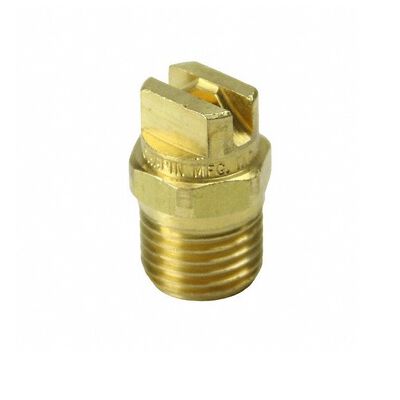
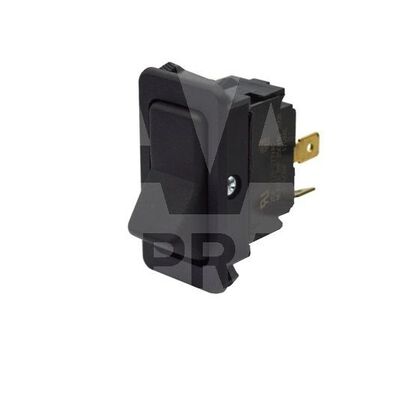
Shop high-quality paint sprayer parts at WholeToolBox, including battery packs, control panel assemblies, power cords, and switches designed for reliable performance and durability. We offer trusted replacement parts for brands like Titan, Graco, and Husqvarna to help minimize equipment interruptions and maintain consistent spray results.
Common Paint Sprayer Problems: Clogs, Spitting, and Uneven Spray
Paint sprayers are effective tools, but they can develop issues that impact performance and finish quality. Whether using airless units, HVLP systems, or advanced spray guns for detailed finishing, problems like clogs, spitting, and uneven spray are common, especially without proper cleaning and use. Below are the most common issues, along with their signs and causes.
Clogged Paint Sprayer: A clogged paint sprayer occurs when paint dries or thickens inside the nozzle, tip, or internal passages, restricting flow. This makes it difficult or impossible to spray paint evenly and can damage the sprayer if forced. Proper cleaning after every use and using the right paint consistency are critical to prevent clogs.
-
Sign: Paint sputters, flows weakly, or stops coming out completely.
-
Common Cause: Dried paint in the nozzle, thick paint, or failure to clean the sprayer thoroughly after each use.
Spitting or Uneven Spray: When a sprayer spits, it releases paint in irregular bursts rather than a continuous, smooth flow. This results in patchy coverage, streaks, and a rough finish that may require multiple coats to fix. Spitting can also make painting slower and more frustrating.
-
Sign: Paint sprays inconsistently, with sudden bursts or gaps in coverage.
-
Common Cause: Paint that is too thick, partially blocked tips, or inconsistent air pressure in the sprayer.
Poor Spray Pattern: A poor spray pattern happens when the paint fan is irregular, causing blotches, thin lines, or streaks on the surface. This problem affects the uniformity and quality of the finish, making walls, furniture, or other surfaces look unprofessional. Often, replacing worn components or adjusting the sprayer settings can correct the issue.
-
Sign: Surfaces appear streaky, blotchy, or unevenly coated.
-
Common Cause: Worn or damaged nozzles, seals, or filters, or improper adjustment of the sprayer settings.
Sprayer Stops Mid-Use: Sometimes the sprayer unexpectedly stops or requires extra effort to spray. This usually happens when paint flow is interrupted due to internal issues, which can cause delays and wasted paint. Identifying the source of the stoppage early prevents damage and keeps projects on schedule.
-
Sign: The sprayer stops unexpectedly, sputters, or becomes difficult to operate.
-
Common Cause: Air leaks, clogged filters, failing gaskets, or loose connections in the paint line.
Overspray or Dripping: Overspray occurs when paint sprays beyond the target area, while dripping happens when paint leaks from the tip. Both can ruin nearby surfaces, waste paint, and require extra cleanup. Controlling sprayer distance, adjusting pressure, and replacing worn tips help maintain precision.
-
Sign: Paint lands outside the intended surface or drips from the nozzle.
-
Common Cause: High pressure, holding the sprayer too close to the surface, or worn/damaged tips.
Paint Splattering Inside the Sprayer: Paint can splash or accumulate inside the sprayer if the container is overfilled or the sprayer is tilted incorrectly. This can damage internal components and make cleanup more difficult. Proper filling and handling prevent splattering and protect the sprayer.
-
Sign: Paint is found inside the sprayer body, and performance becomes inconsistent.
-
Common Cause: Overfilling the paint container, tilting the sprayer at the wrong angles, or using overly thin paint. This is often noticed when the paint sprayer is splattering during use.
Leaking Sprayer: Leaks occur when seals, gaskets, or connectors are damaged or worn out. Leaks reduce pressure, cause uneven spraying, and waste paint. Regular inspection and timely replacement of parts are necessary to avoid this problem.
-
Sign: Paint leaks from joints, seams, or the base of the sprayer.
-
Common Cause: Worn gaskets, loose connections, or damaged seals.
Step-by-Step Paint Sprayer Troubleshooting and Fixes
Troubleshooting a paint sprayer requires careful inspection and proper maintenance. If your paint sprayer is not working, refer to the image below for a step-by-step visual guide to identify and fix common issues.

| Disclaimer: This content is for guidance only. Consult the manufacturer’s manual or a qualified technician before performing any paint sprayer troubleshooting or repairs. |
Check out the Wagner paint gun repair guide: diagnose and fix common issues fast and efficiently
Preventive Maintenance for Consistent Spray Performance
Consistent maintenance is the key to avoiding paint sprayer issues. Regular care prevents clogs, splattering, and uneven spray patterns, ensuring your projects proceed efficiently.
-
Clean After Every Use: Flush the system with the appropriate solvent for the type of paint used (water for latex, mineral spirits for oil-based). Disassemble tips, nozzles, and filters for thorough cleaning. This prevents dried paint from causing clogs or air blockages.
-
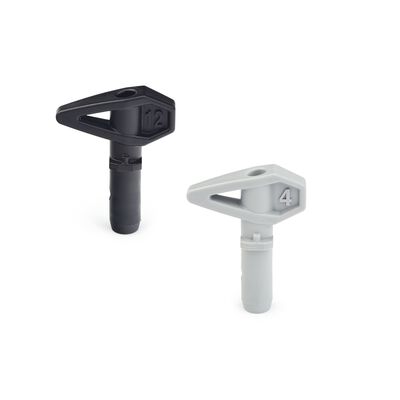
Inspect and Replace Wear Parts: Regularly check nozzles & spray tips for paint sprayers, along with hoses, gaskets, and seals. Replace worn parts promptly to maintain consistent performance and proper spray patterns.
-
Maintain Pressure and Flow Settings: Verify pressure settings for airless and HVLP systems before starting a project. Proper calibration reduces the chance of spitting, uneven coverage, or airlock issues.
-
Store Properly: Store your paint sprayer in a clean, dry environment. Avoid leaving paint in the system for extended periods. For airless sprayers, perform a pump flush and add a protective lubricant to prevent corrosion.
-
Seasonal or Long-Term Storage: For long-term storage, remove all paint, clean thoroughly, and protect sensitive components like seals and pistons with lubricants recommended by the manufacturer. Cover hoses and tips to prevent dust accumulation.
By incorporating these preventive measures, you reduce the likelihood of paint sprayer repair needs and enhance the lifespan of your equipment.
Summary: Keep Your Paint Sprayer Running Smoothly
Regular maintenance and proper usage are essential to keep your paint sprayer performing at its best. By understanding common problems like clogs, spitting, and uneven spray, and knowing how to troubleshoot them, you can achieve professional-quality finishes and avoid costly repairs. Cleaning after each use, inspecting components, and adjusting pressure settings help prevent issues before they start.
Key Takeaways:
-
Always clean your paint sprayer thoroughly after each use to prevent clogs and buildup.
-
Inspect and replace worn parts, such as nozzles, seals, and gaskets, regularly.
-
Adjust paint consistency and pressure settings to match the type of paint and surface.
-
Check for air leaks, damaged hoses, and clogged filters to maintain smooth flow.
-
Test spray on a scrap surface before starting your project to ensure even coverage.
-
Store your sprayer properly, flushing the system and protecting sensitive components during long-term storage.
FAQs
Why is my paint sprayer not spraying paint?
A paint sprayer may stop spraying due to clogged nozzles, blocked filters, low air pressure, or dried paint inside the system. Cleaning the tip, checking hoses, and ensuring proper pressure usually solves the issue.
How to fix a spray can that is not spraying?
Shake the can well, check that the nozzle isn’t blocked, and try unclogging it with a pin. If the propellant is low or the can is old, replacing it may be the simplest solution.
Why is only air coming out of my spray gun?
If your spray gun emits air without paint, it’s often caused by an empty paint reservoir, a blocked fluid passage, or incorrect pressure settings. Refill, clean, and adjust the spray gun to restore paint flow.
What causes a spray gun to sputter?
Sputtering usually occurs when air mixes with the paint inconsistently, often due to low fluid levels, nozzle clogs, or loose connections. Cleaning the parts and maintaining proper fluid levels can stop sputtering.