Leaf Blower Carburetor vs. Fuel Line Issues: How to Spot the Real Problem
Is your leaf blower not starting or running rough? In many cases, the problem is caused by either a clogged carburetor or a damaged fuel line, both of which directly affect fuel delivery to the engine.
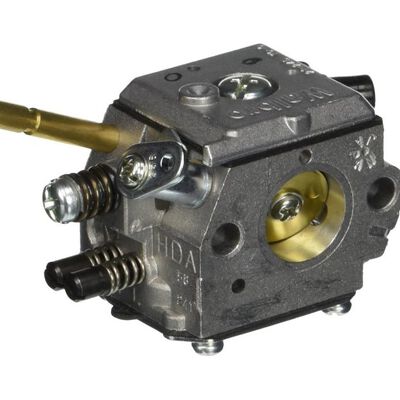
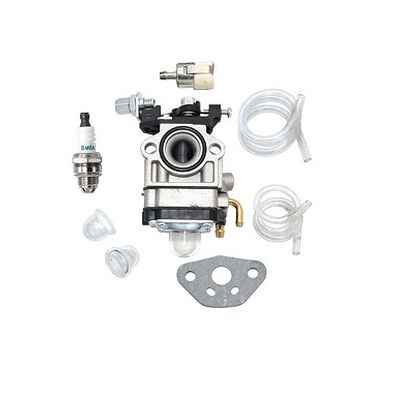
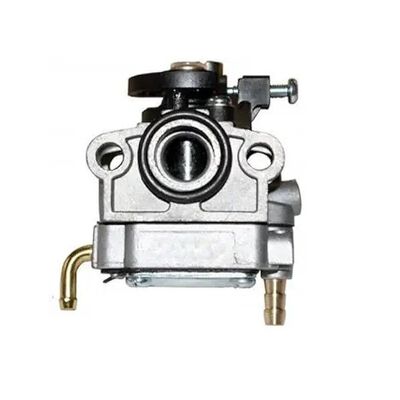
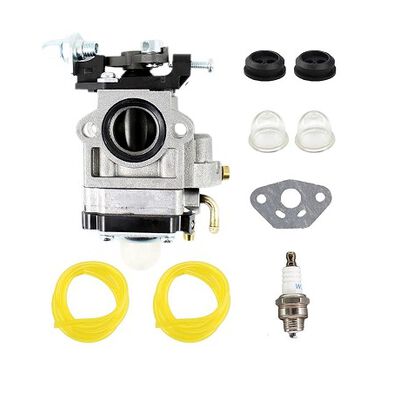
The carburetor of a leaf blower controls the air–fuel mixture, while the fuel line supplies fuel from the tank to the carburetor. Even minor faults in either component can lead to starting issues, unstable idling, or reduced engine performance. Because these symptoms often overlap, carburetor problems are frequently mistaken for fuel line failures.
This blog breaks down the key symptoms of both issues and provides a simple step-by-step method to pinpoint the exact cause. By the end, you’ll know exactly which component to inspect first and avoid the cost of replacing the wrong part.
Understanding How the Carburetor and Fuel Line Work Together
The carburetor and fuel line are key parts of a leaf blower’s fuel system. The fuel line delivers fuel from the tank to the carburetor, while the carburetor mixes fuel with air to create the combustion needed to run the engine smoothly, as shown in the overview diagram below.
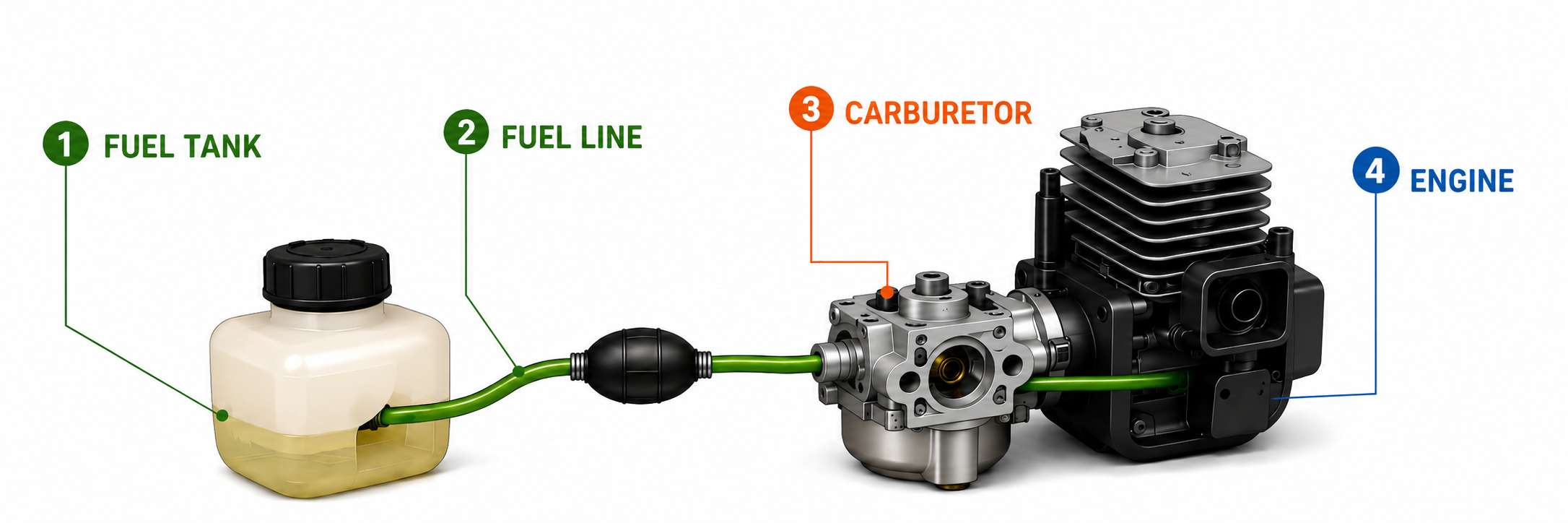
Fuel Flow Process in a Leaf Blower
The fuel flow process inside a leaf blower works in a connected sequence, with each stage playing an important role in delivering fuel efficiently and generating engine power, as explained below:
-
Fuel Storage: Fuel is stored inside the tank until the engine or primer system begins drawing it through the fuel line.
-
Fuel Travels Through the Line: The fuel line transports fuel from the tank toward the carburetor. The primer bulb and engine vacuum help maintain continuous fuel flow.
-
Fuel Enters the Carburetor: Once fuel reaches the carburetor, it enters the metering chamber, where the amount of fuel is controlled based on engine demand.
-
Air and Fuel Mixing: The carburetor combines fuel with air to create the correct air-fuel mixture needed for combustion.
-
Power Generation: The mixture enters the engine cylinder, ignites, and powers the leaf blower during operation.
Looking for leaf blower parts to keep your equipment running smoothly? We offer high-quality lawn equipment parts, including mufflers, recoil starters, ignition coils, and ignition modules from brands Echo, MTD, Shindaiwa, Poulan & more
Signs Your Leaf Blower Has Carburetor Problems
The table below shows the common signs of leaf blower carburetor problems, along with their root causes, and urgency levels.
|
Signs |
Description |
Root cause |
Urgency |
|
The engine won’t start |
Fuel fails to reach the combustion chamber even after priming |
Blocked jets or seized float |
High |
|
Hard to start/needs many pulls |
An incorrect fuel-air mixture prevents reliable ignition |
Dirty or misadjusted carburetor |
Medium |
|
The engine stalls at idle |
Combustion cannot sustain itself at low RPMs |
Blocked idle circuit or air leak |
Medium |
|
Runs rough / surges |
Engine speed fluctuates unpredictably during operation |
Blocked fuel passage or worn needle valve |
Medium |
|
Fuel is leaking from the carburetor |
Visible dripping or strong fuel odor during operation |
Worn gasket, cracked body, or stuck needle valve |
High |
|
Black smoke from the exhaust |
Unburned fuel exits through the exhaust port |
An over-rich mixture caused by the float being set too high |
Medium |
Find out how to choose the best leaf blower for your lawn without overspending and save money while keeping your yard clean
Symptoms of a Damaged or Clogged Leaf Blower Fuel Line
The common symptoms of a damaged or clogged leaf blower fuel line are listed below, helping you quickly identify fuel delivery issues and diagnose the problem accurately.
-
Engine Starts, Then Stalls: The engine starts and runs briefly, then loses power, bogs, and stalls due to restricted fuel flow. Often restarts after cooling, but repeats the issue.
-
Unstable Running and Sputtering: A damaged fuel line can cause inconsistent fuel delivery. This leads to uneven combustion, which shows up as sputtering, random surges in power, or hesitation during operation.
-
Weak Performance Under Load: The blower may idle fine but lose power when the throttle is increased. This happens because the fuel line cannot supply enough fuel for higher engine demand, causing bogging or stalling.
-
Fuel Leaks or Strong Gas Smell: Cracks or loose fittings in the fuel line often result in visible leaks. You may also notice a persistent fuel odor around the unit even when it is not running.
-
Air Bubbles in the Fuel Line: Air entering through damaged sections of the fuel line disrupts fuel pressure. This can be seen as bubbles moving through the line when the primer bulb is pressed.
-
Primer Bulb Doesn’t Fill Correctly: A healthy fuel system fills the primer bulb smoothly. If the bulb stays partially empty, fills slowly, or collapses, it usually indicates a blockage or air leak in the fuel line.
-
Engine Only Runs with Choke Engaged: If the blower only stays running when the choke is partially on, it typically means the engine is not getting enough fuel. The choke temporarily enriches the mixture, masking a fuel line restriction.
How to Diagnose Leaf Blower Carburetor & Fuel Line Issue Step by Step
The steps below explain a simple method to identify whether the problem is in the fuel line or the carburetor. Follow each step in order to isolate the issue accurately.
Step 1: Check the Fuel Condition
Inspect the leaf blower’s fuel storage tank first, as old or contaminated fuel is often mistaken for leaf blower fuel line issues and can cause starting problems or weak performance. If the fuel looks dirty or smells stale, drain the tank and refill it with fresh, properly mixed fuel.
Step 2: Inspect the Fuel Lines for Visible Damage
Examine the fuel lines for cracks, stiffness, or disconnection. Aging rubber lines often harden and split, allowing air leaks that disrupt proper fuel delivery.
Step 3: Check Fuel Flow Using the Primer Bulb
Press the primer bulb and observe fuel movement. If it does not fill smoothly or shows air gaps, there is likely a blockage or leak in the fuel line system.
Step 4: Check if the Engine Runs Only on Choke
Start the blower and see if it only runs with the choke partially engaged. If so, the engine is likely not receiving enough fuel, pointing to a restriction in the carburetor or fuel line.
Step 5: Inspect the Fuel Filter Inside the Tank
Remove the fuel filter and check for clogging or debris buildup. A blocked filter can significantly reduce fuel flow and cause bogging or stalling issues.
Step 6: Remove and Inspect the Carburetor
Take off the carburetor and inspect for dirt, varnish buildup, or damaged diaphragms. Even minor clogging can disrupt fuel-air mixing and engine performance.
Step 7: Test the Blower After Each Fix
After each repair or cleaning step, run the leaf blower to test its performance. This helps confirm whether the leaf blower carburetor repair was successful or if another component is still causing the problem.
Step 8: When Both Parts Need Replacement
If cleaning and minor repairs do not restore performance, both the carburetor and fuel lines may need replacement. On older units, simultaneous wear is common, and replacing both ensures reliable operation.
Summary: Fix the Right Leaf Blower Problem Before It Gets Worse
Leaf blower problems are commonly caused by either carburetor issues or damaged fuel lines. Carburetor faults often lead to hard starting, rough running, fuel leaks, or black smoke, while fuel line problems cause sputtering, stalling, and weak performance. Proper inspection and diagnosis help identify the real issue early and prevent costly engine damage.
Key Takeaways
-
The carburetor controls the fuel-air mixture, while the fuel line delivers fuel from the tank to the engine.
-
Hard starting, black smoke, rough idling, and fuel leaks are common signs of carburetor problems.
-
Cracked, clogged, or leaking fuel lines often cause sputtering, stalling, weak acceleration, and air bubbles in the line.
-
If the engine only runs with the choke on, it usually indicates restricted fuel flow from the carburetor or fuel line.
-
Inspecting fuel condition, fuel lines, primer bulb behavior, and fuel filters helps isolate the real problem quickly.
-
Replacing both the carburetor and fuel lines may be the best solution for older leaf blowers with multiple worn components.
FAQs
Why are leaf blowers being banned?
They are restricted in some areas due to noise, air pollution, and emissions from gas-powered models. Many cities are shifting toward quieter, electric alternatives.
Why does my leaf blower run for 10 minutes then die?
This is usually caused by fuel delivery issues like a clogged fuel filter, a blocked carburetor, or a restricted fuel line. A faulty tank vent can also cut fuel flow and stall the engine.
What are the symptoms of too much air in the carburetor?
Too much air creates a lean mix, leading to rough idle, engine surging, poor acceleration, and stalling. The engine may also run hotter than normal.
|
Disclaimer: This article is for informational purposes only. Always refer to your leaf blower manufacturer’s instructions before performing any inspection, repair, or replacement work. |