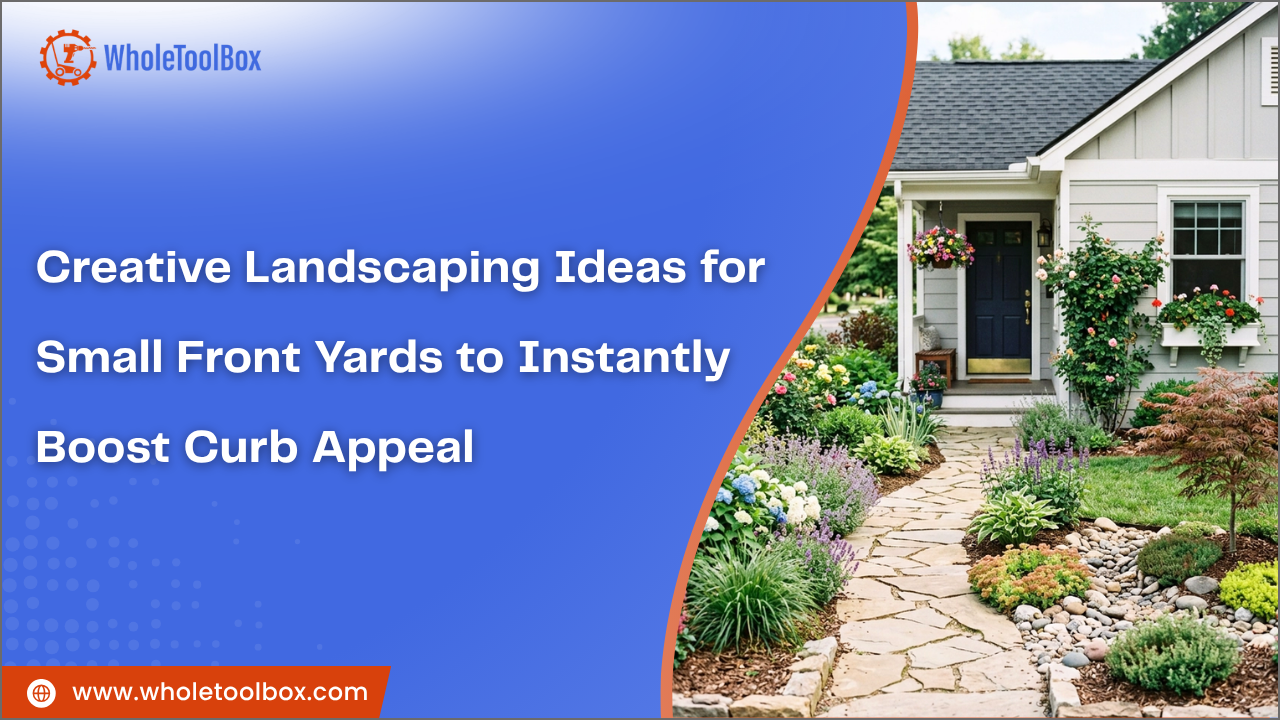
Creative Landscaping Ideas for Small Front Yards to Instantly Boost Curb Appeal
Does your front yard feel smaller, messier, or more difficult to maintain than it should? You are not alone. Designing a small front yard becomes difficult when walkways, driveways, and planting areas all compete for the same limited space.
In many cases, the problem is not the size of the yard itself — it is the layout and plant choices. Overgrown shrubs, crowded designs, and a lack of visual balance can quickly make even a neat space feel cramped and overwhelming.
The good news is that small front yards can still look open, stylish, and inviting with the right landscaping approach. This blog shares practical ideas, smart plant selections, and simple design upgrades that help maximize space, improve curb appeal, and make maintenance much easier.
Why Small Front Yards Are Harder to Design
Small front yards can be difficult to design because of limited space, and existing structures such as driveways, porches, and walkways leave little room for creativity. When plants and features are not properly scaled, the area can quickly appear crowded and visually cluttered, reducing curb appeal instead of enhancing it.
To overcome these common issues, it’s important to first understand the main design challenges that are mentioned below.
-
Limited Usable Space: Driveways, entry paths, and porches often dominate the layout, leaving minimal room for planting or decorative features.
-
Overcrowding from Poor Scaling: Using large shrubs, bulky planters, or too many design elements can make the yard feel cramped and visually heavy.
-
Blocked Sightlines: Tall or poorly placed plants near entrances can obstruct views, making the space feel smaller and less open.
-
Unbalanced Layout: Without a clear structure or focal point, elements may feel randomly placed and disorganized.
-
Incorrect Plant Selection: Choosing plants that grow too wide or require high maintenance can overwhelm the space over time.
-
Poor Light and Space Planning: Ignoring sun, shade, and airflow conditions can lead to unhealthy plants and uneven visual balance.
Space-Saving Planting Ideas and Budget-Friendly Projects for Small Front Yards
Small front yards need smart planning to make the most of limited space without feeling crowded. Using vertical elements, compact plants, and containers can greatly enhance both function and curb appeal, as mentioned below.
-
Container Gardens: Use fewer large pots instead of many small ones for a cleaner, low-maintenance look. Place tall or narrow containers along walls or railings to save space. Best choices include dwarf trees, compact shrubs, and seasonal herbs or flowers.
-
Vertical Planting: Maximize walls and fences with climbing plants like jasmine, clematis, or roses. Espaliered fruit trees and vertical garden systems add greenery without using ground space.
-
Compact Trees And Shrubs: Choose narrow or dwarf varieties that grow upward rather than outward. Columnar hollies, slim arborvitae, dwarf spruce, and compact maples help maintain structure without overcrowding.
-
Groundcovers: Replace lawn areas with low-growing plants to reduce upkeep and improve coverage. Use pachysandra or vinca for shade, and creeping thyme, sedum, or phlox for sunny spots.
-
Native And Drought-Tolerant Plants: Select local, low-water plants for easier maintenance and better sustainability. Native grasses, hardy perennials, and drought-tolerant shrubs keep the yard balanced and resilient.
Small planting upgrades can improve both appearance and function. These budget-friendly projects add impact without requiring a large investment or professional help.
Budget-Friendly Projects for Small Front Yards
Below is a comparison table summarizing some quick project ideas, with materials, time, and approximate costs.
|
Project |
Materials Needed |
Time Needed |
Est. Cost |
|
Stepping-stone path |
Pavers/stone, sand, or gravel base |
1 day |
~$150–300 |
|
Raised planter boxes |
Lumber or blocks, screws, soil |
1–2 days |
~$150–400 |
|
Drip irrigation install |
Drip tubing kit, connectors |
2–3 hrs |
~$50–100 |
|
LED path/spot lights |
3–4 low-voltage lights, transformer |
2–3 hrs |
~$150–300 |
|
New planter & plants |
Decorative pot, soil, plants |
1–2 hrs |
~$100–200 |
|
Paint door & hardware |
Paint, brushes, new handle/numbers |
~4 hrs |
~$100–200 |
|
Mulch beds & install edging |
Mulch (bulk), edging material |
2–3 hrs |
~$100–150 |
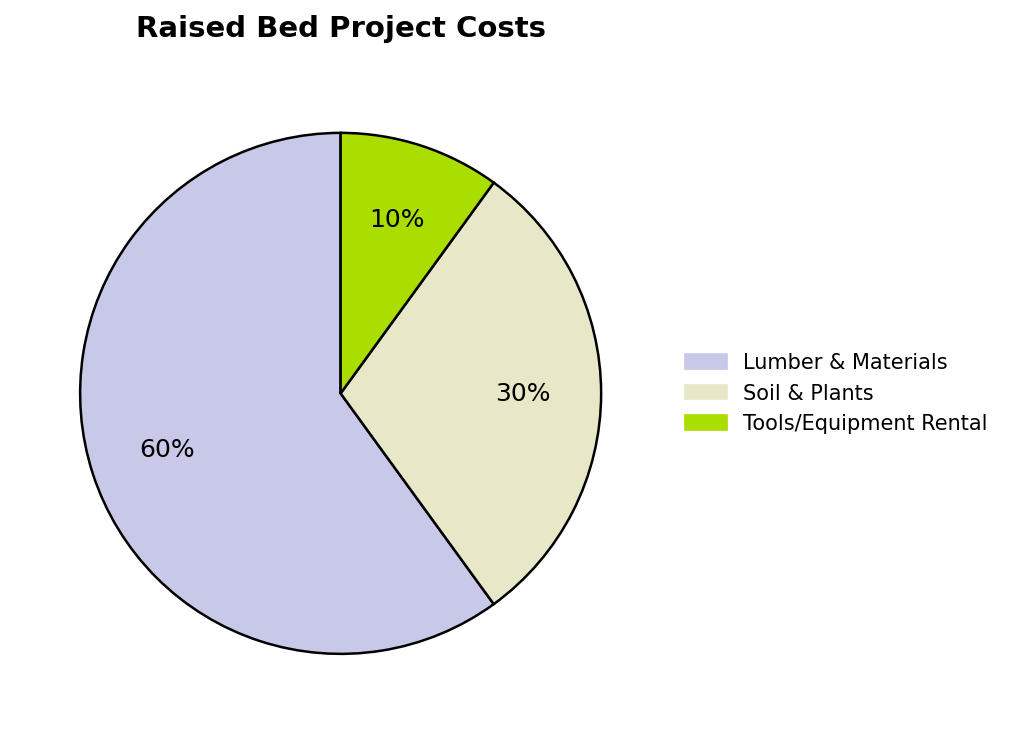
Each project can be adapted to your space and skill level. Even small updates like flower beds or outdoor lighting can improve curb appeal. An example percentage-based budget breakdown for a raised planter project is shown below.
Find out how to boost curb appeal in 2026: Modern landscaping trends you can’t ignore and easy ways to upgrade your front yard
Design Tricks to Make a Small Front Yard Look Bigger
A small front yard can feel more spacious by focusing on visual flow, simplicity, and depth. Guiding the eye naturally through the space while avoiding clutter helps create a more open and balanced look. The key techniques are mentioned below.
-
Straight and Diagonal Path Design: Straight paths make the yard feel organized, while angled or diagonal paths make it feel longer and more open. Even a slight angle can create a stronger sense of space.
-
Symmetry vs. Asymmetry in Layout: A balanced design on both sides of a path looks clean and simple. If the yard shape is uneven, placing more plants on one side and keeping the other lighter can help it feel more natural and less cramped.
-
Plant Scale and Texture Balance: Use bigger plants at the back and smaller ones in front. This layering helps create depth and keeps the front yard from looking flat or overcrowded.
-
Sightlines And Focal Points: Choose one main feature in your yard, like a plant, statue, or small fountain, and make it the center of attention. Keep the area in front of it empty so nothing blocks your view. This makes the yard look more open and feel bigger.
-
Reflective and Water Features: Small mirrors, shiny décor, or a water feature can reflect light and make the space feel larger. These elements add style without using much space.
-
Layering and Framing Views: Keep low plants near the front and don’t block views of trees, sky, or the street. Showing what’s beyond your yard helps it feel more open.
-
Outdoor Lighting for Depth and Space: Lights along paths, walls, or trees make the yard look bigger at night. Good lighting also highlights key areas and reduces the feeling of tight spaces.
Check out From lush lawns to drought-resilient landscapes: How climate change is shaping modern outdoor spaces with smarter, sustainable landscaping practices
Low-Maintenance Landscaping Tips for Small Front Yards
The low-maintenance tips are mentioned below to help keep your yard attractive, healthy, and easy to manage year-round:
-
Choose Easy-Care Plants: Use native, slow-growing, and disease-resistant plants that require less watering, pruning, and upkeep. Evergreens and ornamental grasses are great because they stay attractive year-round with very little maintenance.
-
Improve Soil and Add Mulch: Mix compost into the soil before planting and apply a 2 to 3 inch mulch layer to retain moisture, suppress weeds, and improve soil quality.
-
Use Efficient Irrigation: Install drip irrigation or soaker hoses so water goes directly to the plant roots. This saves water and reduces effort. Group plants with similar watering needs together.
-
Keep Pruning Minimal: Trim plants lightly when needed, especially in spring. Remove dead or damaged branches, but avoid heavy shaping so plants can grow naturally and stay healthy.
-
Prevent Pests Naturally: Choose plants that naturally resist pests and attract helpful insects like bees and ladybugs. If small pest problems appear, treat them early using simple solutions like neem oil.
Summary: Creating a Beautiful Small Front Yard Without Overspending
Small front yards require smart planning to balance limited space, structure, and visual appeal. By using space-saving planting ideas, budget-friendly upgrades, and simple design techniques, you can make the area feel larger, more organized, and more attractive. Low-maintenance practices like choosing the right plants and efficient watering further help maintain curb appeal with minimal effort.
Key Takeaways
-
Small front yards need smart planning to balance function and aesthetics within limited space.
-
Vertical planting and containers help maximize greenery without using extra ground area.
-
Simple layouts with clear sightlines make the space feel larger and more open.
-
Budget-friendly updates like lighting, mulch, and pathways can quickly improve curb appeal.
-
Proper plant sizing prevents overcrowding and keeps the design visually balanced.
-
Low-maintenance plants and efficient systems reduce upkeep while maintaining year-round appeal.
Shop high-quality lawn equipment parts at WholeToolBox. Find durable air filters, carburetors, crankshafts, flywheels, and fuel tanks from trusted brands like Makita, Honda, Echo, and Shindaiwa, designed to keep your lawn equipment running efficiently.
References:
https://www.gardendesign.com/small/
https://www.loveyourlandscape.org/expert-advice/landscaping-essentials/trending-now/how-to-use-sightlines-to-make-your-garden-feel-bigger/
FAQs
What landscaping adds the most value?
Simple, low-maintenance landscaping with native plants, outdoor lighting, and usable spaces like patios or seating areas delivers the best return by improving both appearance and functionality.
What are the outdated backyard trends for 2026?
Backyards with fake-looking turf, excessive concrete, all-gray color palettes, and difficult-to-maintain tropical designs are falling out of favor as natural and eco-friendly styles grow in popularity.
What are the most common landscaping mistakes to avoid?
Common landscaping errors include poor drainage planning, planting trees too close together, selecting high-maintenance plants, and ignoring how the yard will look as plants mature.
What is a realistic landscaping budget?
Most homeowners spend between 5% and 15% of their property’s value on landscaping, while basic projects may start around $3,000, and larger outdoor transformations can cost $50,000 or more.
|
Disclaimer: This content is for general informational purposes only. Actual results, costs, and landscaping outcomes may vary by location and climate conditions. |