Karcher Pressure Washer Fittings: Quick Troubleshooting and Repair Solutions
Karcher pressure washers are known for their efficiency and durability, but like any equipment, their fittings can sometimes develop issues that affect performance. Common problems such as leaks, loose connections, or clogged fittings can interrupt your cleaning tasks and cause frustration. Luckily, most of these problems can be easily identified and fixed using straightforward troubleshooting techniques. Whether you’re a DIY enthusiast or a professional, understanding how to properly inspect, maintain, and fix your Karcher pressure washer fittings can save you time and money. In this guide, we’ll walk you through common fitting problems and offer practical repair solutions to keep your Karcher pressure washer fittings running smoothly and efficiently for all your cleaning needs.
Understanding Karcher Pressure Washer Fittings
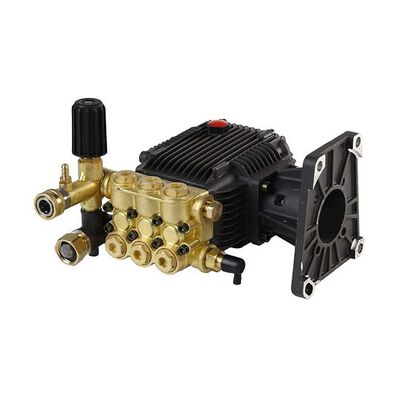
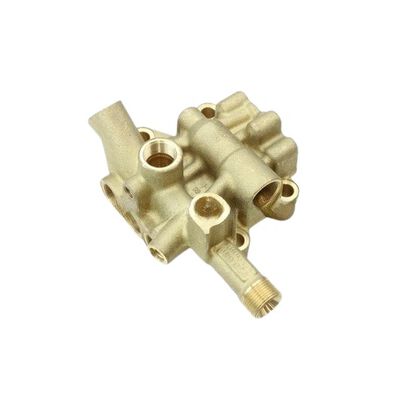
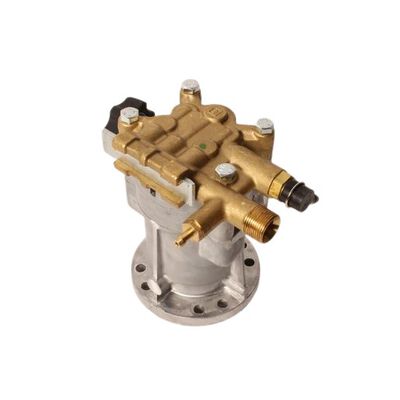
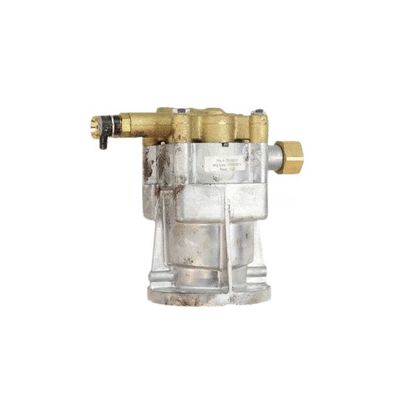
Fittings in a pressure washer play a vital role by connecting the different parts, allowing water to flow at high pressure without escaping. Having a clear understanding of these fittings is important to grasp how your Karcher pressure washer parts function and why these connections are crucial for its efficiency.
What are pressure washer fittings?
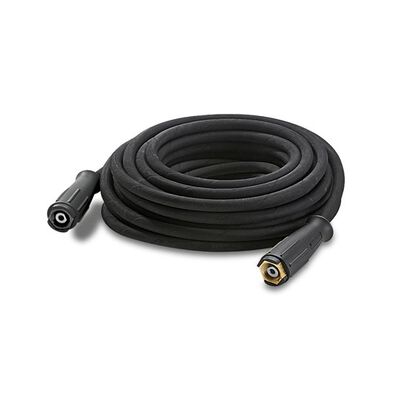
These are the connectors and sealing components that link the hose, spray gun, pump, and nozzle, ensuring a tight and leak-free junction for high-pressure water flow.
Common types of Karcher pressure washer fittings:
-
Quick-connect fittings: Quick-connect fittings: Designed for fast and tool-free attachment or removal of hoses and accessories. These fittings are essential parts of your pressure washer and accessories setup.
-
Threaded fittings: Screw-type connections that require proper tightening to avoid leaks.
-
Seals and O-rings: Flexible rings made of rubber or synthetic materials that help create a watertight seal at connection points.
Importance of fittings:
-
They maintain consistent high-pressure water flow without leaks.
-
The performance and dependability of the pressure washer depend heavily on these fittings and power washer attachments.
-
Damaged or worn fittings can lead to leaks, reduced pressure, and potential damage to the machine.
Knowing these components well is essential for effective troubleshooting, repairs, and ensuring your Karcher pressure washer operates smoothly.
Looking to fix your faulty Karcher pressure washer? WholeToolBox offers replacement parts like the pump & motor assembly, fuel line hose kit, and pressure gauge sensor from top brands like Karcher, Ridgid, and Greenworks for effective DIY fixes.
Common Issues with Karcher Pressure Washer Fittings
Even though Karcher pressure washer fittings are built to last, they can still experience common problems after regular use. Identifying these problems early can prevent reduced efficiency and expensive repairs.
-
Water Leaks at Connection Points: A common issue is water escaping where hoses, nozzles, or spray guns connect. This often results from damaged or worn seals and O-rings, loose fittings, or improperly threaded connections.
-
Stuck or Hard-To-Use Quick-Connects: Dirt, corrosion, or debris can cause quick-connect fittings to become difficult to attach or remove, making hose or accessory changes a challenge.
-
Reduced Water Pressure: Leaks or poorly sealed fittings can cause a pressure drop, which diminishes the cleaning effectiveness of the pressure washer.
-
Broken or Cracked Fittings: Fittings made from plastic or metal may crack due to impact, freezing weather, or normal wear and tear, leading to leaks or complete disconnection.
-
Damaged Threads: Over-tightening or misalignment during installation can strip the threads on fittings, preventing a secure connection and often requiring replacement.
-
Corrosion Buildup: Metal fittings exposed to moisture and harsh conditions may rust or corrode over time, weakening the joint and causing leaks or failures.
Regularly checking your fittings and replacing any faulty parts can keep your Karcher pressure washer running efficiently for years.
Tools and Materials Needed for Diagnosing and Repairing Karcher Pressure Washer Fittings
To properly inspect and fix your pressure washer fittings, it’s important to have the right tools and supplies on hand. Here’s a list of essentials you’ll need:
-
O-rings and seals compatible with your specific Karcher model
-
A set of spanners or an adjustable wrench
-
Screwdrivers, encompassing both flathead and Phillips varieties
-
Silicone-based lubricant, ideal for maintaining O-rings
-
Teflon tape (pipe thread seal tape) for ensuring tight threaded connections
-
A small cleaning brush or an old toothbrush for removing dirt and debris
-
Needle-nose pliers for handling small parts
-
Replacement connectors or fittings in case any parts are damaged beyond repair
-
Genuine Karcher pressure washer repair kits.
-
Clean cloths or rags to wipe down components during maintenance
By having these tools and materials prepared, you will be able to make repairs more efficiently and ensure your pressure washer continues to function properly.
Step-by-Step Process for Diagnosing Problems in Karcher Pressure Washer Fittings
If your Karcher pressure washer isn’t performing properly, the issue is often with the fittings. Follow this straightforward, step-by-step guide to diagnose and fix common fitting problems.
Step 1: Shut Off and Disconnect the Pressure Washer
Before performing any work, switch off the machine and disconnect it from the power source. This step helps ensure your safety and prevents unexpected operation.
Step 2: Release Remaining Water Pressure
To eliminate any remaining pressure in the hose, squeeze the trigger on the spray gun. Doing this avoids sudden sprays when disconnecting fittings or the pressure washer Karcher hose.
Step 3: Examine Fittings Visually
Inspect all hose ends, connectors, and nozzles for cracks, warping, or leaks. Even small signs of wear can cause performance issues.
Step 4: Confirm All Connections Are Secure
Lightly tighten all threaded connections using your hands or a wrench. Ensure you don’t tighten it too much, as this can strip the threads.
Step 5: Check the Condition of O-Rings And Seals
Remove the fittings and inspect rubber seals for signs of drying, cracking, or flattening. O-rings that are damaged are a primary factor contributing to leaks.
Step 6: Test Quick-Connect Couplings
Attach and detach quick-connect fittings to ensure they move freely. Resistance or stiffness may indicate dirt buildup or rust.
Step 7: Look For Signs of Corrosion or Residue
Inspect metal parts for rust or hard water buildup. Gently remove any deposits that could affect sealing with a brush or cloth.
Step 8: Conduct Short Pressure Test
Reassemble the parts and turn the machine on briefly. Check for pressure drops, water escaping, or irregular flow.
Step 9: Replace Damaged Components
If any seals, connectors, or fittings are beyond repair, install new ones that match your model. This will help restore full functionality and stop leaks.
By carefully following each step, you’ll be able to diagnose and resolve common fitting problems, keeping your Karcher pressure washer running at its best.
Quick Repair Solutions for Common Karcher Pressure Washer Fittings Issues
Most common fitting issues can be quickly fixed with simple tools and a bit of time. Below are fast, do-it-yourself fixes to help make pressure washer repair easier and more effective.
Leaking Connections
-
Install New O-Rings: If water is seeping from joints, replace the O-rings with new ones suited to your Karcher model.
-
Lubricate the Seal: Lightly coat the O-rings with silicone grease to improve sealing and reduce wear.
-
Align the Fittings Properly: Make sure all parts are connected evenly and securely to avoid gaps that cause leaks.
Loose Threaded Fittings
-
Seal with Teflon Tape: Wrap thread seal tape around the male threads to improve the seal and prevent leaks.
-
Tighten Securely, Not Excessively: Hand-tighten first, then use a wrench carefully—too much force can damage the threads.
-
Protect the Threads: Avoid over-tightening to prevent stripping or breaking plastic parts.
Sticking Quick-Connect Fittings
-
Use a Silicone-Based Spray: Apply lubricant to the quick-connect fitting to loosen up internal components.
-
Work It Back and Forth: Connect and disconnect the fitting a few times to free up any stiffness.
-
Clean the Exterior: Wipe or brush away any dirt around the connector to ensure smooth operation.
Damaged or Cracked Fittings
-
Remove and Replace: Fully detach any broken fittings and replace them with new ones made for your model.
-
Choose the Right Part: Use Karcher-approved components to ensure compatibility and a proper seal.
-
Handle with Care: When installing replacements, tighten just enough to hold; avoid applying too much pressure.
Rust or Mineral Buildup
-
Soak in Vinegar Solution: Place the affected part in white vinegar for about 20–30 minutes to loosen deposits.
-
Gently Scrub: Use a soft brush or toothbrush to clean off residue without damaging the metal.
-
Rinse and Dry: Wash with clean water and dry thoroughly before reusing the part.
These simple fixes can save you time and money, helping you quickly address common fitting problems and keep your Karcher pressure washer running smoothly.
Check out this ultimate guide on DR Power tool equipment parts: how to identify, repair, and replace for peak performance to keep your tools running like new with expert tips, part-matching advice, and step-by-step repair solutions.
Tips for Preventing Future Problems with Karcher Pressure Washer Fittings
Taking good care of your pressure washer fittings can significantly increase their durability. Implementing these simple tips will help you maintain optimal performance and avoid costly repairs.
-
Conduct Regular Inspections: Before using your pressure washer, carefully examine all fittings for any signs of damage or corrosion. Catching problems early can prevent leaks or breakdowns during operation.
-
Clear Out Debris After Each Use: Run clean water through the system briefly to flush out any dirt or buildup. This helps keep the seals and connectors functioning smoothly.
-
Shield Fittings From Freezing: Water trapped inside fittings can freeze and expand, causing cracks during cold weather. Store your pressure washer indoors or in a temperature-controlled area during winter.
-
Choose Gentle Cleaning Methods: Use soft cloths or brushes to clean fittings, avoiding abrasive materials that can scratch or weaken parts. This careful cleaning preserves the integrity of plastic and rubber components.
-
Handle Hoses Carefully: Moving your pressure washer by pulling on the hose stresses the fittings and may loosen connections. Always lift or roll the machine by its frame or handle.
-
Release Pressure Before Disconnecting: Make sure to let all pressure escape before detaching nozzles or hoses. Disconnecting under pressure can cause damage to fittings and seals.
-
Store in a Clean, Dry Spot: Keep the pressure washer in a well-ventilated, dry area to prevent corrosion and dirt accumulation. A safe storage place also protects the unit from physical damage.
By adopting these practices, you can minimize the risk of fitting problems and keep your Karcher pressure washer working efficiently for years.
Check out this guide on power tool maintenance to learn essential tips, routine checks, and repair strategies that extend tool life and ensure peak performance.
Conclusion
Understanding how to quickly troubleshoot and repair Karcher pressure washer fittings can save you time and prevent costly damage. By regularly inspecting fittings, addressing common issues like leaks or loose connections promptly, and using the right tools and replacement parts, including quality pressure washers and accessories, you can keep your pressure washer running efficiently.
With simple maintenance and timely repairs, your Karcher pressure washer will continue to deliver powerful performance whenever you need it. Taking a proactive approach not only extends the life of your equipment but also ensures safety during operation. Ultimately, well-maintained fittings help you get the most out of your investment, making your cleaning tasks easier and more effective.
FAQs
How do I fix a leaking Karcher pressure washer fitting?
Inspect the O-rings and seals for wear or damage, and replace them if needed. Make sure all connections are tightened securely to prevent leaks.
What causes low pressure in Karcher pressure washer fittings?
Clogged nozzles, blocked inlet filters, or damaged hoses can restrict water flow. Regular cleaning and maintenance of these components help ensure optimal performance.
How can I prevent Karcher pressure washer fittings from corroding?
After each use, dry all fittings thoroughly and store the washer in a dry environment. Applying a silicone-based lubricant also helps protect against corrosion.
Why is my Karcher pressure washer fitting not connecting properly?
Dirt or debris in the quick-connect fittings can block a secure connection. Clean the fittings regularly and ensure they are free from obstructions.