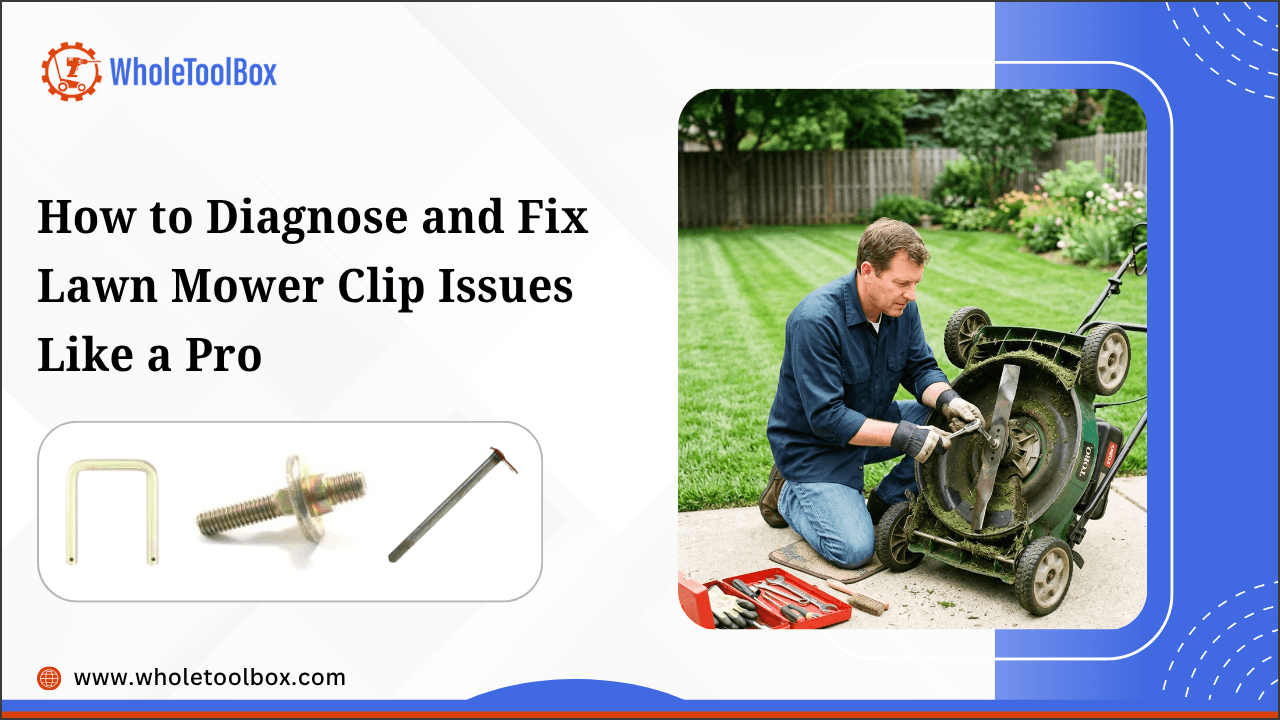
How to Diagnose and Fix Lawn Mower Clip Issues Like a Pro
If your lawn mower is vibrating more than usual, producing uneven cuts, or feeling unstable during operation, the issue often comes down to worn or damaged clips. Although small and frequently overlooked, these components are essential for securing key parts, maintaining alignment, reducing vibration, and ensuring safe, consistent performance under load.
When these clips begin to loosen or lose their grip, they can affect overall stability, leading to imbalance, lower efficiency, and increased strain on nearby components. Because the early signs are subtle, clip-related issues are often only noticed once performance has already started to drop.
In this blog, you’ll learn how to quickly identify lawn mower clip issues, understand their common causes, and fix them using simple, practical steps.
What Are Lawn Mower Clips and Why They Matter for Performance
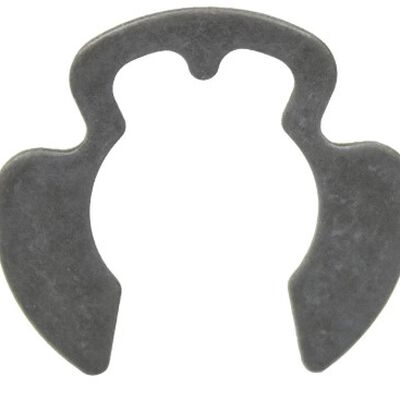
Lawn mower clips are small fastening parts used in a lawn mower to secure components like wheels, axles, and cables, ensuring the machine operates safely and efficiently. Below are the common types of clips used in lawn mowers, each serving a different function:
-
Retaining Clips: Hold wheels and axles securely in place, preventing them from slipping during operation.
-
Cotter Pins: Often used to lock bolts or shafts, ensuring that moving parts stay aligned.
-
Spring Clips: Provide tension and flexibility, commonly used for cables or removable components.
Example: If you mow your lawn regularly with sharp blades, the clips will be tiny and quickly break down, feeding the soil. But if the blades are dull, the clips become long and uneven, which can make your lawn look messy and unhealthy.
Importance of Lawn Mower Clips: Even though they are small, lawn mower clips play a crucial role in your mower's overall performance and safety. Below are the key benefits of keeping them in good condition:
-
Maintain Stability: They securely fasten essential components, reducing vibration and preventing wobbling during operation.
-
Ensure Safety: Loose or missing clips can cause parts to detach while the mower is running, creating hazards.
-
Support Efficiency: When all components are firmly in place, the mower runs smoothly and delivers a more even, consistent cut.
-
Reduce Wear and Tear: Properly secured parts experience less friction and misalignment, helping extend the life of your mower.
Looking for lawn mower replacement parts? Shop high-quality lawn mower parts at WholeToolBox, including blade adapters, brake cables, fenders & more from trusted brands like Toro, Poulan, and Husqvarna.
Common Lawn Mower Clip Problems and Their Causes
Understanding the root causes of clip issues is the first step toward effective repair. Below are the most frequent lawn mower clip problems users encounter:
-
Loose or Missing Clips: Continuous vibration during mowing can loosen clips over time. If not secured properly, they may fall off completely, causing instability in parts like wheels and handles.
-
Pinch Clamp Won’t Release: Over time, plastic or metal clamps can harden, corrode, or accumulate fuel residue and dirt, making them stiff and difficult to slide off the hose.
-
Rust and Corrosion: Exposure to moisture and grass clippings leads to rust formation. Corroded clips weaken over time and may break under pressure.
-
Improper Installation: Using the wrong clip type or installing it incorrectly can result in a poor fit and early failure, leading to repeated lawn-mower clip repairs.
-
Wear and Tear: Clips naturally degrade with regular use. Constant stress, especially in frequently used mowers, causes them to weaken or lose shape.
-
Debris Build-Up: Grass, dirt, and residue can accumulate around clips, reducing their grip and effectiveness. Poor cleaning habits after mowing often contribute to this issue.
-
Incorrect Replacement Parts: Using incompatible or low-quality clips during lawn mower clip replacement can lead to improper fitting and repeated failures.
Check out how to replace lawn mower belts: a step-by-step guide for quick steps to remove and install mower belts easily
Step-by-Step Process to Diagnose and Fix Lawn Mower Clips
Fixing lawn mower clips doesn’t require advanced technical skills, but it does require attention to detail. Follow these steps for effective diagnosis and repair:
Step 1: Inspect the Mower Thoroughly
Begin by turning off the mower and ensuring it is safe to work on. Carefully examine all visible clips, especially around wheels, handles, and cable connections. Look for common warning signs such as rust, bending, looseness, or missing clips. Even a slightly damaged clip can affect performance.
Step 2: Identify the Problem Area
Once you’ve completed the inspection, pinpoint the exact issue. Determine whether the clip is loose, worn out, broken, or missing entirely. This step is important because it helps you decide whether the clip can be tightened or needs a full replacement.
Step 3: Remove the Faulty Clip
Using tools like pliers or a flathead screwdriver, gently remove the damaged clip. Apply steady pressure and avoid forcing it out, as this could damage nearby parts such as the axle or cable mount.
Step 4: Clean the Area
Before installing a new clip, clean the surrounding area thoroughly. Remove any dirt, grease, or grass buildup. A clean surface ensures the new clip fits properly and holds components securely.
Step 5: Install the Replacement Clip
Select the correct clip type and size that matches your mower model. Position it carefully and secure it in place. Make sure it fits snugly without being forced, as improper installation can lead to future issues.
Step 6: Test the Mower
After installation, start the mower and let it run briefly. Observe its operation and listen for unusual noises or vibrations. This helps confirm that the clip is properly installed and functioning as expected.
Step 7: Perform a Final Check
Finally, inspect other clips on the mower to ensure they are also in good condition. Often, if one clip has failed, others may be close to wearing out. A quick overall check can help prevent future repairs.
Preventive Maintenance Tips to Avoid Future Clip Issues in Lawn Mowers
Preventing clip problems is easier and more cost-effective than fixing them. Here are some essential maintenance tips:
-
Regular Inspection: Inspect clips before and after use, especially around wheels and moving parts. Watch for early signs like loosening, bending, or rust so you can fix minor issues before they worsen.
-
Keep the Mower Clean: Grass clippings, dirt, and moisture can build up around clips and weaken their grip. Clean your mower after each use, particularly the deck and wheel areas, to prevent corrosion and ensure proper functioning.
-
Lubricate Moving Parts: Apply light lubrication to joints and connection points where clips are installed. This reduces friction, prevents rust, and helps extend the lifespan of both clips and surrounding components.
-
Store the Mower Properly: Always store your mower in a dry, covered space such as a garage or shed. Avoid exposure to rain or humidity, as moisture can quickly lead to rust and clip deterioration.
-
Tighten and Check Components: Due to constant vibration, clips can gradually loosen over time. Periodically check and secure them to maintain stability and avoid sudden failures during operation.
Summary: Master Lawn Mower Clip Fixes for Reliable Performance
Lawn mower clips may be small, but they play a critical role in keeping key components secure and functioning properly. Common issues like loosening, rust, or improper installation can lead to performance problems and safety risks. By following a simple step-by-step diagnosis and repair process, most clip-related issues can be fixed quickly.
Key Takeaways
-
Lawn mower clips secure essential parts like wheels, cables, and assemblies
-
Common problems include loosening, corrosion, wear, and incorrect installation
-
Early diagnosis helps prevent costly repairs and equipment damage
-
Proper cleaning and correct clip replacement improve performance and safety
-
Regular inspection reduces the chances of unexpected clip failure
-
Preventive maintenance ensures long-term efficiency and reliable mower operation
FAQs
How do I know if a lawn mower clip is faulty?
A faulty clip usually shows up as loose parts, unusual vibrations, or rattling during operation. Visible signs like rust, bending, or a missing clip clearly indicate it needs replacement.
Can I use universal clips for my mower?
Universal clips can work as a temporary solution if they match the exact size and tension required. However, for long-term reliability and safety, using model-specific clips ensures a secure fit and reduces the risk of repeated failures.
How often should mower clips be replaced?
There’s no fixed replacement schedule. Instead, inspect clips regularly and replace them as soon as you notice wear, rust, or loosening. For frequently used mowers, checking every few uses is a practical approach.
What causes clips to come loose frequently?
Frequent loosening is usually caused by continuous vibration, incorrect installation, or using the wrong clip type. Worn-out clips and a lack of regular tightening can also contribute to the issue.
Are clip issues dangerous if ignored?
Yes, ignoring clip issues can lead to serious problems. Loose or missing clips may cause parts to detach during operation, affecting control, damaging components, and increasing safety risks for the user.
| Disclaimer: This content is for informational purposes only, and results may vary depending on mower condition, clip type, and usage. Always follow manufacturer guidelines and take proper safety precautions when performing repairs. |