Electric Brush Cutters in 2026: Trends Transforming Modern Landscaping
Electric brush cutters are rapidly transforming modern landscaping with their efficient, eco-friendly performance and user-focused design. As battery and motor technologies continue to improve, these tools are becoming more powerful, reliable, and suitable for both homeowners and professionals.
In 2026, the shift toward electric equipment is driven by sustainability, lower maintenance, and ease of use. This blog explores different types of electric brush cutters, key features to consider, emerging trends, and practical tips to help you maximize performance and extend the lifespan of your equipment.
Understanding the Different Types of Electric Brush Cutters
Electric brush cutters come in different types, and each one is made for a specific use. Choosing the right type depends on your yard size, the kind of plants you need to cut, and how often you use the tool. Below are the different types of electric brush cutters:
Corded Electric Brush Cutters: Corded brush cutters are best suited for small gardens and areas where a constant power supply is easily available. They are ideal for basic trimming and light maintenance work.
-
Advantages: They provide continuous power without any interruptions, making them reliable for longer usage without worrying about charging. These models are also more affordable and simple to operate, which makes them suitable for beginners.
-
Limitations: Their movement is restricted by the cord, which makes them less practical for large or open areas. They also require access to a nearby power outlet, limiting their flexibility.
Cordless Battery-Powered Brush Cutters: Cordless brush cutters are widely used for residential landscaping due to their portability and ease of use. They are perfect for medium-sized spaces and regular maintenance tasks.
-
Advantages: They offer excellent mobility since there are no cables involved, allowing users to work freely. These tools are quieter, lightweight, and require less maintenance compared to gas-powered options.
-
Limitations: Their working time depends on battery capacity, which means they need recharging after a certain period. Performance may also reduce as the battery drains during use.
Swappable Battery Systems: Swappable battery systems are designed for professional users who need to work for extended hours without interruptions, especially on large properties.
-
Advantages: They allow continuous operation by simply replacing batteries, reducing downtime during work. This makes them highly efficient for demanding landscaping tasks.
-
Limitations: These systems can be expensive because additional batteries are required. Managing and carrying multiple batteries can also be inconvenient for some users.
Hybrid Brush Cutters: Hybrid brush cutters are useful in situations where users need flexibility between power sources, especially in areas with inconsistent electricity supply.
-
Advantages: They can operate using both battery and direct power, offering versatility and reducing dependency on a single source. This makes them adaptable to different working conditions.
-
Limitations: They are not commonly available in the market and can be slightly complex to use. In some cases, they may not perform as efficiently as single-power models.
Multi-Tool Systems: Multi-tool systems are ideal for homeowners who want a single device that can perform multiple gardening tasks, saving both cost and storage space.
-
Advantages: They offer versatility by supporting different attachments like trimmers, edgers, and brush cutters. This makes them a practical and economical choice for general use.
-
Limitations: Their performance may not match dedicated brush cutters for heavy-duty work. Changing attachments can also take time and reduce efficiency during continuous tasks.
Dedicated Brush Cutters: Dedicated brush cutters are designed for heavy-duty applications, making them suitable for professionals dealing with thick vegetation and large areas.
-
Advantages: They provide powerful cutting performance, better durability, and improved balance for tough jobs. These tools are built to handle demanding conditions efficiently.
-
Limitations: They are designed for a single purpose, which limits versatility. They are also heavier and more expensive compared to basic models, making them less suitable for casual users.
Check out our video on the best brush cutter parts for lawn mowers to improve performance, extend equipment life, and ensure smoother operation
Key Features to Look for in Electric Brush Cutters for Efficient Landscaping
Below are the main features to look for in electric brush cutters for better performance and easy use.
-
Motor Efficiency and Power Output: Brushless motors are now the industry standard. They provide higher efficiency, longer lifespan, and better torque compared to traditional brushed motors. This results in smoother operation and improved cutting performance.
-
Battery Capacity and Voltage: Battery specifications directly impact runtime and power. Higher voltage systems (40V to 80V) deliver stronger cutting ability, while higher amp-hour ratings extend operating time. Professionals often invest in high-capacity batteries to avoid interruptions.
-
Cutting Mechanism and Blade Options: Electric brush cutters typically support nylon line heads or metal blades. Line heads are ideal for grass and light weeds, while metal blades handle dense brush and small saplings. Choosing the right attachment ensures efficiency and safety.
-
Ergonomic Design and Handling: Comfort plays a crucial role, especially for extended use. Features such as adjustable handles, balanced weight distribution, and harness compatibility reduce fatigue and improve control.
-
Weight and Portability: Lightweight models are easier to maneuver and suitable for homeowners, while heavier units provide more power for professional applications. Balancing weight and performance is essential.
-
Noise and Vibration Levels: Electric models operate significantly quieter than gas-powered tools, making them suitable for residential areas. Reduced vibration also enhances user comfort.
-
Safety Enhancements: Modern brush cutters include safety switches, blade guards, and automatic shut-off systems. These features minimize risks during operation.
-
Smart Features and Connectivity: Advanced models may include digital monitoring systems, allowing users to track battery health, usage patterns, and maintenance schedules.
Find out how to choose the best cordless brush cutter for your lawn with simple tips on power, battery life, and performance
Electric Brush Cutter Trends and Market Predictions for 2026
With increasing demand for eco-friendly tools, electric brush cutters are becoming more advanced every year. Here are the latest trends and future predictions for electric brush cutters in 2026.
-
Battery Advances: Battery advancements continue to improve runtime, charging speed, and overall efficiency. High-capacity lithium-ion batteries are becoming more compact and powerful, making cordless tools more practical for heavy-duty use.
-
Eco-Friendly Landscaping: Environmental regulations in the United States are encouraging the adoption of electric landscaping equipment. Reduced emissions and lower noise levels make electric brush cutters a preferred choice in urban and commercial settings.
-
Smart Features: Manufacturers are incorporating smart features such as app connectivity and performance tracking. These innovations help users optimize tool usage and maintenance.
-
Professional Adoption: Commercial landscapers are gradually transitioning to electric equipment due to lower operating costs and regulatory compliance. Fleet management systems are also becoming more common.
-
Competitive Market: Leading brands continually launch new models with enhanced performance and features. This increased competition is driving innovation and making advanced tools more accessible.
-
Market Outlook: The global brush cutter market is expected to grow steadily, with electric models leading the expansion. Increased demand from both residential and commercial sectors will continue to fuel this trend.
Rebates: Government-backed programs are encouraging homeowners to switch to electric lawn and garden tools by offering financial incentives and rebates. These initiatives not only reduce the upfront cost but also promote eco-friendly landscaping practices.
Tips for Maximizing Performance and Longevity of Electric Brush Cutters
Proper care and maintenance are essential to keep your electric brush cutter working efficiently. Following a few simple practices can extend its lifespan and improve cutting performance.
-
Optimize Battery Usage: Avoid fully draining lithium-ion batteries frequently. Charge them regularly, store in a cool, dry place, and keep partially charged (40–80%) if stored for a long time. This extends battery lifespan and maintains peak performance.
-
Select the Right Cutting Tool: Match the cutting head to the task. Use nylon line for grass and light weeds, and sturdy metal blades for thick brush, woody plants, or small saplings. Using the correct tool prevents motor strain and ensures clean cuts.
-
Perform Routine Cleaning: Remove dirt, grass, and debris from the cutting head, vents, and housing after each use. Keeping the tool clean prevents clogs, reduces wear, and improves overall efficiency.
-
Inspect Components Regularly: Check for loose screws, worn blades, bent shafts, or damaged guards. Identifying minor issues early avoids costly repairs and potential safety hazards.
-
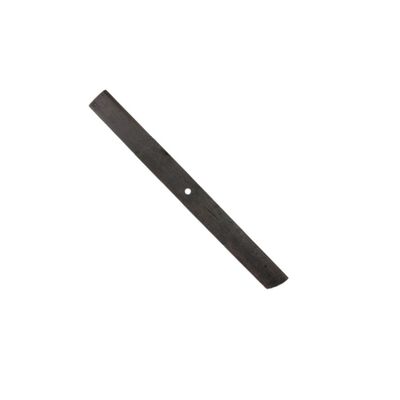
Sharpen or Replace Blades: Dull or damaged blades reduce cutting efficiency and put extra load on the motor. Regularly sharpen blades or replace them to maintain smooth, effective cutting.
-
Store Equipment Properly: Keep the brush cutter in a dry, sheltered place. Remove the battery for long-term storage, and protect metal parts from rust. Proper storage prevents damage and ensures readiness for the next job.
-
Follow Manufacturer Guidelines: Adhere to the recommended maintenance schedule, safety instructions, and proper operating techniques provided in the manual. This ensures reliability, performance, and tool longevity.
Summary: The Impact of Electric Brush Cutters on Modern Landscaping
Electric brush cutters are reshaping modern landscaping with their eco-friendly performance and user-friendly design. Improved battery and motor technologies have made them powerful and efficient for both residential and professional use. Their versatility, smart features, and low maintenance needs enhance overall productivity.
Key Takeaways:
-
Eco-friendly operation with low noise and zero emissions makes them ideal for modern use
-
Choice of corded, cordless, and multi-tool systems offers flexibility for all users
-
High-performance batteries and brushless motors deliver better power and efficiency
-
Ergonomic designs improve comfort and reduce fatigue during long tasks
-
Smart features and safety enhancements support easier and safer operation
-
Strong market growth indicates electric models will dominate future landscaping trends
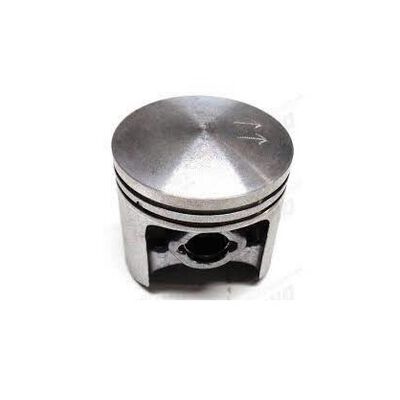
Shop high quality brush cutter parts at WholeToolBox to keep your equipment performing at its best. Find essential parts like shafts, filters, tubes, pistons, carburetors, and flanges from trusted brands such as Husqvarna, Echo, and Fein.
References:
https://www.aqmd.gov/home/programs/community/electric-lawn-and-garden-programs/electric-lawn-mower-rebate-program
https://sculptureforest.org/low-emissions-chain-saw-and-brush-cutter/
FAQs
How long do brush cutters last?
With regular care, electric brush cutters can serve you well for 5 to 10 years. Keeping them clean, storing them properly, and replacing worn parts when needed will help them last longer.
How often should I grease my brush cutter head?
To keep your brush cutter working efficiently, apply grease to the head every 10 to 20 hours of use or roughly once a month. This reduces friction and helps prevent damage to the moving parts.
Can I use a brush cutter on wet grass or plants?
It’s best to avoid using a brush cutter on wet grass or plants. Wet material can clog the blades, reduce cutting efficiency, and increase the risk of slipping or damaging the motor.
| Disclaimer: This article is for guidance only. Your landscaping results may be different depending on the tools, conditions, and how you use them. Always check with a professional before using electric brush cutters. |