How to Diagnose and Fix Lawn Mower Ignition Switch Problems Like a Pro
A lawn mower that won’t start can quickly turn a simple yard task into a frustrating experience. One common culprit behind this problem is a faulty ignition switch. Whether your mower fails to respond at all or only starts intermittently, understanding how to diagnose and fix the ignition switch can save you time, money, and unnecessary trips to a repair shop.
In this guide, we’ll walk you through the step-by-step process of identifying lawn mower ignition switch issues, testing the switch safely, and performing effective repairs like a pro. By following these tips, you’ll have your lawn mower running smoothly again in no time, ensuring your yard stays perfectly maintained without stress.
Understanding the Role of the Lawn Mower Ignition Switch
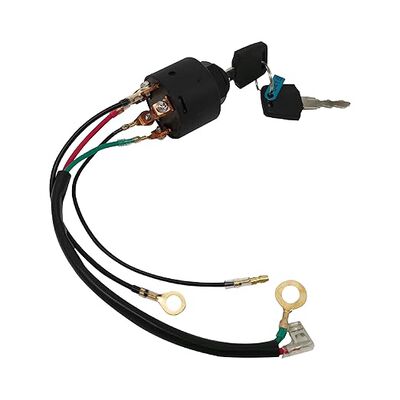
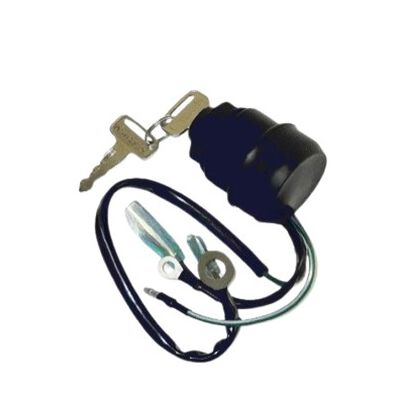
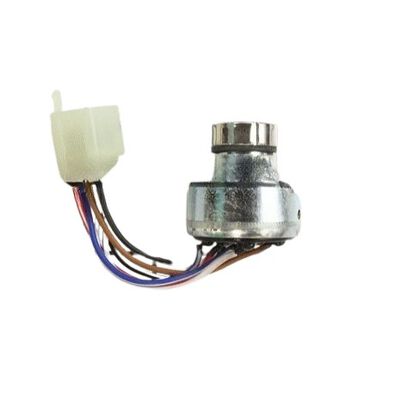
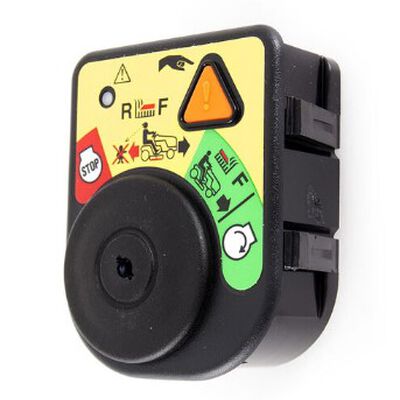
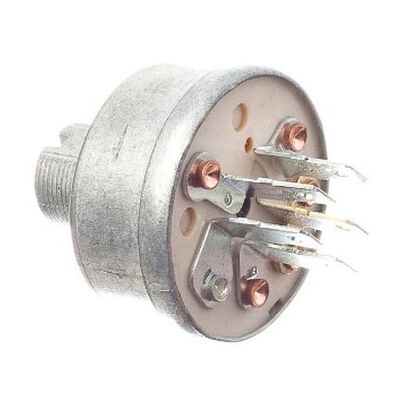
The ignition switch is a small but crucial component of your lawn mower. It acts as the main control for starting and stopping the engine. Without it functioning properly, your mower simply won’t start.
Understanding its role helps you diagnose issues quickly and maintain your mower’s reliability. Here’s what you need to know:
-
Controls the Engine: Completes the electrical circuit, allowing the spark plug to fire and start the engine. A faulty switch interrupts this essential process.
-
Safety Mechanism: Prevents accidental starting when the mower is in gear or blades are engaged.
-
Power Distribution: Sends electricity to starter motors and ignition systems for smooth operation.
-
Prevents Electrical Damage: Protects the mower’s circuits from short-circuiting or overloads.
-
Signals Other Components: On modern mowers, it communicates with sensors and fuel systems.
-
Corrosion Indicator: Signs of corrosion or dirt on the switch terminals often indicate impending failure.
-
Hidden Wear Points: Internal contacts wear out over time, even if external parts appear fine.
-
Heat Sensitivity: Excess engine heat can deform or damage the switch, causing intermittent issues.
-
Compatibility Factor: Some mowers won’t start if a non-OEM switch is installed due to sensor mismatches.
-
Impact on Battery Life: A faulty switch can drain the battery even when the mower is off.
Understanding these subtle aspects ensures a more accurate diagnosis and prevents unnecessary replacements, saving both time and money.
Looking to fix lawn mower ignition switch problems? At WholeToolBox, we offer high-quality replacement parts like ignition switches, wiring harnesses, and fuses & relays from leading brands like Toro, Husqvarna, and Cub Cadet,, WholeToolBox has everything you need to fix, upgrade, or maintain your mower quickly and efficiently.
Common Lawn Mower Ignition Switch Problems You Should Know
Lawn mower ignition switch problems can lead to frustrating or unsafe issues. A failing switch often shows clear warning signs that affect starting and overall operation.
-
No Response When Turning the Key: No click, no lights, and no cranking usually means a bad switch or broken wiring.
-
Loose Connections: Wires or terminals around the switch can corrode or loosen over time, disrupting the circuit.
-
Sticky or Rough Key Action: A gritty or stiff key may indicate dirt, debris, or worn internal parts.
-
Engine Shuts Off After Starting: If the mower stalls when you release the key, the “run” circuit inside the switch may be failing.
-
Intermittent Starting: The mower starts sometimes but not others — often due to worn internal contacts.
-
Erratic Electrical Behavior: Lights staying on or the starter engaging unexpectedly suggest shorted or stuck switch contacts.
-
Loose or Spinning Switch Mount: A switch that spins in its housing can misalign internal terminals.
-
Faulty Grounding: A corroded or disconnected ground wire can mimic switch failure.
-
Overvoltage Damage: Jump-starting or bad battery connections can overload and damage the switch.
-
Corroded Kill Wire: The kill wire (which grounds the coil to shut off the engine) can corrode or break, causing starting or shut-off issues.
Step‑by‑Step Process to Diagnose Ignition Switch Issues in Lawn Mowers
Lawn mower ignition switch troubleshooting becomes essential when your ignition switch feels off or acts erratically, as these deeper diagnostic steps can help you catch subtle or hidden faults, not just the obvious ones.
Step 1: Heat‑Stress Assessment
Run the mower for several minutes, then carefully touch the ignition switch housing. Excessive heat can deform internal plastic parts, causing poor contact or intermittent failure.
Step 2: Micro‑Corrosion Inspection
Use a magnifying glass to check for tiny spots of rust or oxidation on the switch terminals and connectors. These micro-corrosion patches may not be obvious but can raise resistance and lead to erratic behavior.
Step 3: Load‑Voltage Drop Test
With a multimeter, measure the voltage at the switch’s output terminal while cranking the engine. If the voltage drops more than a little under load, worn or failing contacts could be to blame.
Step 4: Safety Circuit Simulation
Bypass one of the safety interlock switches (like the seat or PTO) and test the ignition behavior. Sometimes symptoms that look like a bad switch are actually caused by failing safety circuitry.
Step 5: Vibration Sensitivity Check
While cranking or running, gently tap or wiggle the ignition switch and its wiring. If the engine stutters or loses power, there could be loose internal solder joints or broken wires.
Step 6: Kill‑Wire Ground Leakage Test
Disconnect the coil’s kill wire and measure for stray voltage or current. A failing switch might leak power into this circuit, which can damage the coil or lead to starting issues.
How to Fix the Most Common Lawn Mowers Ignition Switch Problems
Riding mower ignition switch troubleshooting is crucial when a faulty switch prevents your mower from starting. Addressing common switch issues ensures your mower continues running smoothly.
Lawn Mower Switch Ignition Not Working
The engine runs unevenly, and lights or electronics behave unpredictably.
Symptoms: Engine may run unevenly; lights flicker slightly; electronics act erratically.
Cause: Internal oxidation or micro-cracks in the switch contacts causing inconsistent electrical flow.
Fix: Test voltage across the switch while operating. Replace the switch if readings fluctuate outside normal range.
Engine Starts But Dies When Cold
The mower starts fine after warming up, but fails during cold mornings.
Symptoms: The Engine fails to stay running when cold.
Cause: Moisture trapped inside the ignition switch or weak internal contacts reacting to low temperatures.
Fix: Dry the ignition switch and apply electrical contact lubricant. Replace the switch if the contacts remain weak.
Switch Creating Parasitic Electrical Noise
Electronics such as lights or radios produce interference.
Symptoms: Radio, lights, or other electronics produce static; the engine may misfire.
Cause: Poor shielding or corroded contacts inside the switch creating electrical noise.
Fix: Inspect and clean contacts. Replace the ignition switch with one designed for minimal electrical interference.
Intermittent Immobilizer Recognition Failure
The key works inconsistently, and the mower may refuse to start.
Symptoms: Engine fails to start randomly; key sometimes works.
Cause: Weak signal transmission from the ignition switch module to the immobilizer.
Fix: Reprogram the key or replace the ignition switch module.
Switch Causing Slow Engine Crank
The starter motor spins slowly despite a good battery.
Symptoms: Engine struggles to turn over.
Cause: Internal resistance in the ignition switch reducing voltage to the starter.
Fix: Test voltage at the starter while turning the key. Replace the ignition switch if voltage is consistently low.
Ignition Switch Overheating Silently
The switch warms without obvious signs, potentially causing failures.
Symptoms: Switch gets warm and may eventually fail; random electrical issues occur.
Cause: Hidden short or worn contacts inside the switch.
Fix: Inspect for heat damage. Replace the switch immediately to prevent further failures.
Tip: Always disconnect the battery before working on the ignition system to avoid shocks or short circuits.
Read the lawn mower gear assembly: troubleshooting common issues with expert DIY tips to identify problems and fix your mower efficiently.
How to Replace a Lawn Mower Ignition Switch Like a Pro
Replacing a lawn mower ignition switch is essential for keeping your mower reliable. Follow these steps to do it safely and efficiently:
-
Disconnect the Battery: Always start by disconnecting the battery to prevent electrical shocks or short circuits.
-
Locate the Ignition Switch: Find it on the dashboard or steering column, depending on your mower model.
-
Remove the Old Switch: Unscrew the switch carefully and disconnect all wiring, making note of each wire’s position for correct reinstallation.
-
Prepare the New Switch: Ensure the new ignition switch matches your mower’s specifications before installation.
-
Install the New Switch: Reconnect the wires exactly as they were, then secure the switch with screws.
-
Test the Mower: Reconnect the battery, turn the key, and ensure the engine starts smoothly and electrical components function properly.
-
Check for Issues: Inspect for loose connections, damaged wires, or signs of overheating.
Lawn mower ignition switch repair is easier with simple tools like screwdrivers and pliers. Following the proper steps lets anyone replace or fix the ignition switch quickly and reliably.
Check out lawn mower muffler repair and replacement: DIY vs. professional cost breakdown for tips and cost comparisons.
Preventive Maintenance Tips to Avoid Future Ignition Switch Failures in Lawn Mowers
Maintaining your lawn mower’s ignition switch is crucial for reliable starts and avoiding costly repairs. Regular preventive care can extend the life of your mower and prevent unexpected failures.
-
Keep the Switch Clean: Wipe the ignition switch and surrounding area regularly to prevent dirt, grass, and debris buildup.
-
Inspect Wiring and Connections: Look for frayed wires, loose connectors, or signs of corrosion that could disrupt electrical flow.
-
Use Electrical Contact Cleaner: Spray contacts periodically with a non-residue cleaner to maintain smooth operation.
-
Lubricate the Key Cylinder: Apply a small amount of graphite or silicone lubricant to prevent stiffness and wear.
-
Protect from Moisture: Store your mower under cover or in a shed to prevent water damage.
-
Avoid Excessive Force: Turn the key gently to reduce stress on internal contacts.
-
Seasonal Checkups: During each seasonal tune-up, inspect the ignition system for early wear signs.
Following these tips ensures your mower remains dependable, reduces downtime, and prevents costly ignition switch replacements.
Wrapping Up: Get Your Mower Back in Action for Hassle-Free Mowing
Lawn mower ignition problems can disrupt your yard work and add unnecessary stress. Keeping your mower in good working order ensures smooth, efficient operation and a more enjoyable mowing experience. With the right steps and attention, you can keep your mower performing reliably whenever you need it.
Key Takeaways:
-
A smoothly starting mower helps make yard work easier and more efficient.
-
Paying attention to essential components ensures your mower remains dependable.
-
Simple fixes and proper handling can quickly restore reliable performance.
-
A dependable ignition system supports consistent, stress-free mowing sessions.
-
Smooth engine starts allow you to complete mowing tasks without delays.
-
Understanding how your mower operates helps you respond confidently to starting issues.
-
Reliable performance ensures your mower is always ready when the yard needs attention.
A lawn mower that starts easily and runs reliably makes routine yard work far more enjoyable. When your equipment performs consistently, you can focus on maintaining a clean and healthy lawn without interruption. With the guidance in this article, you’ll be better prepared to keep your mower ready for every mowing session.
FAQs
How to start a lawn mower with a bad ignition switch?
You can start some mowers by carefully bypassing the switch using the starter solenoid or jumper cables. Always use caution, as this method is temporary and should be followed by proper repairs.
What are the symptoms of a faulty ignition switch?
Common signs include no response when turning the key, intermittent starting, or the engine shutting off unexpectedly. You may also notice flickering lights or a key that feels loose or stiff.
When I turn the key on my lawn mower and nothing happens?
This usually indicates an issue with the ignition switch, wiring, battery, or safety interlock. Check the battery first, then inspect connections and the switch itself.
How to bypass a faulty ignition switch?
You can bypass it by connecting the starter solenoid directly or jumping the terminals, depending on your mower type. Only do this for testing purposes, as it removes safety features and isn't a long-term solution.