Top 10 Lawn Detacher Rake Issues: Expert Fixes Every Homeowner Should Know
A healthy, green lawn doesn’t just happen; it takes consistent care, the right techniques, and reliable tools. One often-overlooked but essential tool is the lawn dethatcher rake, designed to remove built-up thatch and promote strong, healthy grass growth. While it’s incredibly effective, many homeowners encounter common problems with dethatcher rakes that can make lawn care frustrating, time-consuming, and less efficient. Understanding these issues is key to keeping your lawn in top condition.
In this guide, we’ll explore the top 10 dethatcher rake problems and provide practical, expert solutions for each. From bent or broken tines to uneven dethatching rake and clogging, these tips will help your rake perform optimally and ensure your lawn remains smooth, vibrant, and perfectly maintained all season long.
Understanding How a Lawn Dethatcher Rake for Outdoor Equipment Works
A dethatcher rake for outdoor equipment removes thatch, dead grass, roots, and debris, allowing water, air, and nutrients to reach the soil. Understanding what is a dethatching rake helps homeowners use it correctly for optimal lawn health. Using this tool properly promotes stronger, healthier grass and keeps your equipment running efficiently.
-
Removes Thatch, Not Soil: Skims only the thatch layer without disturbing soil, protecting the grass roots.
-
Spring-Loaded Tines: Flexible tines dig into the turf to lift thatch and moss efficiently.
-
Encourages Microbial Activity: Exposing thatch to air promotes beneficial soil microbes that help break down organic debris naturally.
-
Dual Moss Removal: Sometimes also lifts moss, reducing thatch accumulation over time.
-
Optimal Moisture Matters: Works best on slightly moist soil; overly wet soil can tear healthy grass.
-
Minimal Root Damage: Skims up to ½ inch of thatch while leaving grass roots intact.
-
Energy-Efficient Manual Use: No power needed; manual rakes are quiet, eco-friendly, and cost-effective.
-
Preparation for Overseeding: Loosened areas improve seed-to-soil contact for successful overseeding.
-
Tine Adjustability: Some models allow tine tension adjustments for customized dethatching intensity.
-
Layered Thatch Management: Removes excess thatch while leaving a thin, protective layer beneficial for the lawn.
Regular use of a dethatcher rake ensures your lawn stays vibrant, smooth, and healthy all season long.
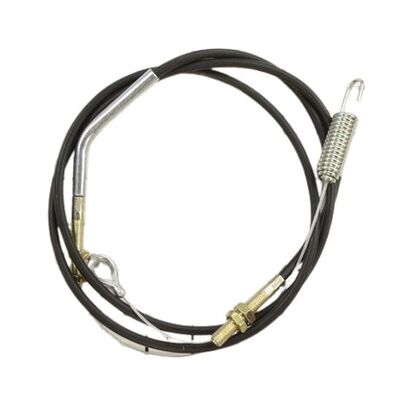
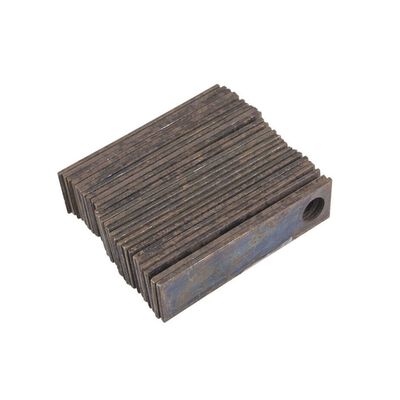
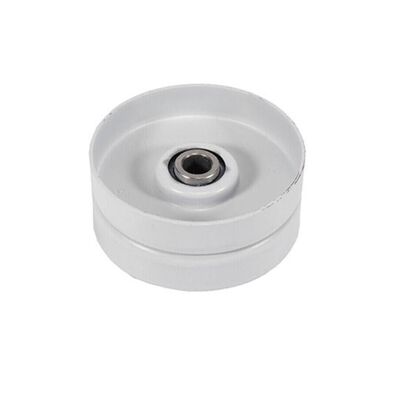
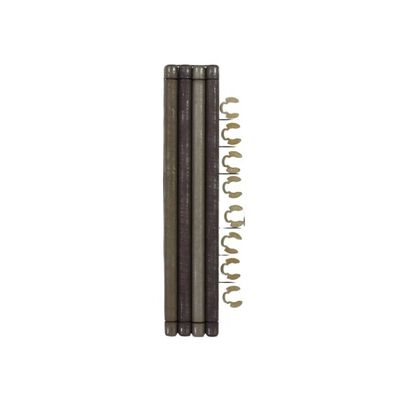
Looking to fix your lawn quickly and efficiently? WholeToolBox has you covered with outdoor equipment replacement parts like log splitter cradle kit, log splitter filter housing, dethatcher rake components, dethatcher bearing, reel spring tine, or 4-shaft dethatcher, all available from top brands like Classen, Bluebird, directly on WholeToolBox. like new!
Common Issues With a Lawn Dethatcher Rake for Outdoor Equipment
Lawn dethatching rake is an essential for keeping lawns healthy, but they can face hidden problems that most guides don’t mention. Recognizing these issues early helps homeowners prevent damage and extend the rake’s life.
-
Tine Alignment Drift: Repeated use can slightly shift or bend tines, resulting in uneven dethatching.
-
Handle Fatigue Points: Continuous lifting and pressure may create stress cracks or weak joints in handles.
-
Hidden Debris Build-Up: Small rocks, roots, or thick grass can get trapped in tine bases, subtly reducing efficiency.
-
Frame Warping From Sun Exposure: UV light can warp lightweight metal or plastic frames, reducing stability.
-
Rust in Internal Joints: Screws, springs, and bolts can corrode even if tines look fine, weakening the rake.
-
Reduced Spring Tension: In spring-loaded models, repeated use may reduce tine tension, causing tines to skip over thatch.
-
Noise Amplification: Loose or worn parts can create rattling, making the operation uncomfortable.
-
Ergonomic Stress: Poor handle design can strain wrists or forearms during extended use.
-
Blade Fatigue in Powered Rakes: Frequent dethatching of dense layers can cause tiny cracks before failure.
-
Performance Variability on Mixed Lawns: Some rakes struggle with moss, clover, or uneven turf, reducing efficiency.
Being aware of these hidden issues ensures your dethatcher rake works effectively and keeps your lawn smooth and healthy season after season.
How to Diagnose Lawn Dethatcher Rake Performance Issues
Diagnosing lawn dethatcher rake issues is key to keeping your lawn smooth and healthy. Observing symptoms and understanding causes helps prevent damage to both your equipment and grass.
Unequal Grass Pull
Tines are misaligned or bent.
Symptoms: Some grass blades are pulled out more than others, leaving patchy areas.
Solution: Inspect tines for bends or uneven spacing. Realign or replace damaged tines to ensure uniform contact.
Micro-Ruts on Lawn Surface
Handle or frame alignment is off.
Symptoms: Small grooves appear after raking, especially after repeated passes.
Solution: Check handle and wheel alignment (for powered rakes). Adjust rake height and distribute weight evenly.
Skipped Sections in Dense or Wet Turf
Debris buildup or tine misalignment.
Symptoms: Certain areas consistently remain untouched despite multiple passes.
Solution: Clean tines thoroughly and inspect for alignment. Reduce rake angle resistance to penetrate dense turf.
Frame Flexing or Warping
Frame bends or twists under pressure.
Symptoms: Inconsistent thatch removal and uneven lawn surface.
Solution: Tighten screws and bolts, and reinforce the frame if needed. Avoid applying excessive force during use.
Inconsistent Clump Size
Spring tension or tines are worn.
Symptoms: Thatch clumps vary in size across the lawn.
Solution: Examine spring tension and tine sharpness. Adjust or replace tines for consistent cutting.
Handle Vibrations or Fatigue
Loose joints or uneven tines.
Symptoms: Noticeable hand or wrist discomfort during use.
Solution: Inspect joints and tine alignment. Use padded or ergonomic handles to reduce stress.
By systematically diagnosing these issues, homeowners can ensure their dethatcher rake works at peak performance, keeping lawns healthy, even, and well-maintained.
Check out this guide on the top 10 common lawn mower engine problems and how to fix them to keep your mower running smoothly and extend its lifespan.
Expert Fixes for the Most Frequent Dethatcher Rake Malfunctions
Maintaining your dethatcher rake in peak condition requires recognizing early signs of trouble. Knowing the common malfunctions and their solutions ensures your lawn equipment lasts longer and works efficiently.
Worn Bearings or Axles (Powered Rakes)
Bearings or axles are worn from heavy use or lack of lubrication.
Cause: Lack of lubrication or heavy use.
Signs: Wheels or tines seize or grind.
Expert Fix Steps:
-
Inspect all bearings and axles for wear.
-
Apply lubricant to all moving parts.
-
Replace any worn or damaged bearings/axles.
-
Rotate tines manually to confirm smooth operation.
Handle Looseness or Detachment
Handle becomes loose or cracks from repeated stress.
Cause: Loose screws, cracks, repeated stress.
Signs: Handle wobbles or separates during use.
Expert Fix Steps:
-
Check all handle screws and bolts.
-
Tighten loose connections.
-
Replace cracked or damaged handles.
-
Test grip and stability before full use.
Drive Belt or Gear Failure (Motorized Rakes)
Belts or gears fail due to wear or overload.
Cause: Overload, wear, improper tension.
Signs: Tines stop spinning, motor struggles.
Expert Fix Steps:
-
Inspect belts and gears for wear or damage.
-
Replace any worn or broken belts/gears.
-
Adjust belt tension according to manufacturer's instructions.
-
Test operation under light load first.
Jammed Collection Box or Hopper
Hopper or collection box clogs with excess debris.
Cause: Excess thatch or debris buildup.
Signs: Collection area clogs, stopping operation.
Expert Fix Steps:
-
Remove and empty the collection box.
-
Clear any debris or compacted thatch.
-
Inspect for cracks or damage in the hopper.
-
Reattach securely and test operation.
Preventive Maintenance Tips to Keep Your Lawn Dethatcher Rake Running Smoothly
Beyond the standard maintenance routines, there are several lesser-known, often overlooked tips that can significantly extend the life of your lawn dethatcher rake and improve performance:
-
Check Tine Alignment and Spacing Periodically: Misaligned tines can cause uneven dethatching or damage the lawn. Adjust spacing according to the manufacturer’s specifications to ensure uniform performance.
-
Monitor Tine Sharpness: While many assume tines don’t need sharpening, lightly filing dull tines can improve penetration in thick thatch and reduce strain on the motor or frame.
-
Inspect Belts and Chains (If Applicable): For powered dethatchers, check drive belts or chains for fraying, stretching, or wear. Replacing them early prevents sudden breakdowns.
-
Balance the Rake Wheels: Uneven or wobbly wheels affect dethatching efficiency and can cause frame stress. Check for proper alignment and adjust or replace as needed.
-
Protect Metal Parts From Moisture After Use: Lightly coating the metal tines and frame with anti-rust spray or vegetable oil prevents oxidation, especially in humid or wet climates.
-
Check for Hidden Debris Under the Frame: Grass, small stones, or soil can accumulate under the frame and impede movement or damage components. Regularly inspect and clean underneath.
-
Rotate Usage Patterns: Avoid repeatedly running the dethatcher over the same lawn path. Changing directions slightly each session reduces wear on specific tines and prevents uneven soil compaction.
Check out this guide on the ultimate checklist for spotting problems in commercial outdoor power equipment to ensure maximum efficiency and prevent costly repairs.
Implementing these preventive measures ensures your dethatcher operates efficiently, minimizes costly repairs, and helps maintain a lush, healthy lawn for years to come.
Compatibility and Proper Setup for Dethatcher Rake Attachments in Outdoor Equipment
Ensuring your dethatcher rake attachment is compatible with your outdoor equipment is essential for safe and efficient operation. Not all rakes fit every lawn tractor, riding mower, or garden tractor, so checking the mounting system, attachment type, and power requirements is crucial. Improper compatibility can strain the engine, damage the lawn, or reduce dethatching effectiveness.
Key Takeaways:
-
Verify mower and dethatcher compatibility before purchase to prevent engine strain or damage.
-
Adjust tine depth and wheel alignment for effective dethatching without harming the lawn.
-
Inspect and lubricate moving parts to extend equipment lifespan.
-
Ensure attachment width and weight limits match your equipment for safe operation.
-
Check PTO and drive systems on powered models to avoid mechanical failure.
-
Store attachments properly to prevent rust, warping, or misalignment.
Proper setup begins with securely attaching the rake according to manufacturer instructions, adjusting tine depth for optimal lawn health, and aligning wheels for consistent soil contact. Inspect moving parts, lubricate pivots, and check belts or drive systems on powered models. Ensuring width, PTO compatibility, weight limits, and proper storage prevents mechanical issues and prolongs equipment life.
FAQs
How to Use a Dethatching Rake and Avoid Common Mistakes
Use the dethatching rake gently to lift dead grass and debris without digging too deep. Avoid dethatching when the lawn is wet, stressed, or dormant to prevent damage.
Do Lawn Mower Dethatching Blades Work?
Yes, lawn mower dethatching blades can help remove light thatch, but they are less precise than a hand rake and may not be effective on thick thatch layers.
When Should You Not Dethatch Your Lawn?
Do not dethatch your lawn when the grass is wet, dormant, or stressed from extreme heat or drought, as this can damage the turf and slow recovery.