How a Mild Winter Is Affecting Fishing Opportunities and Strategies in 2026
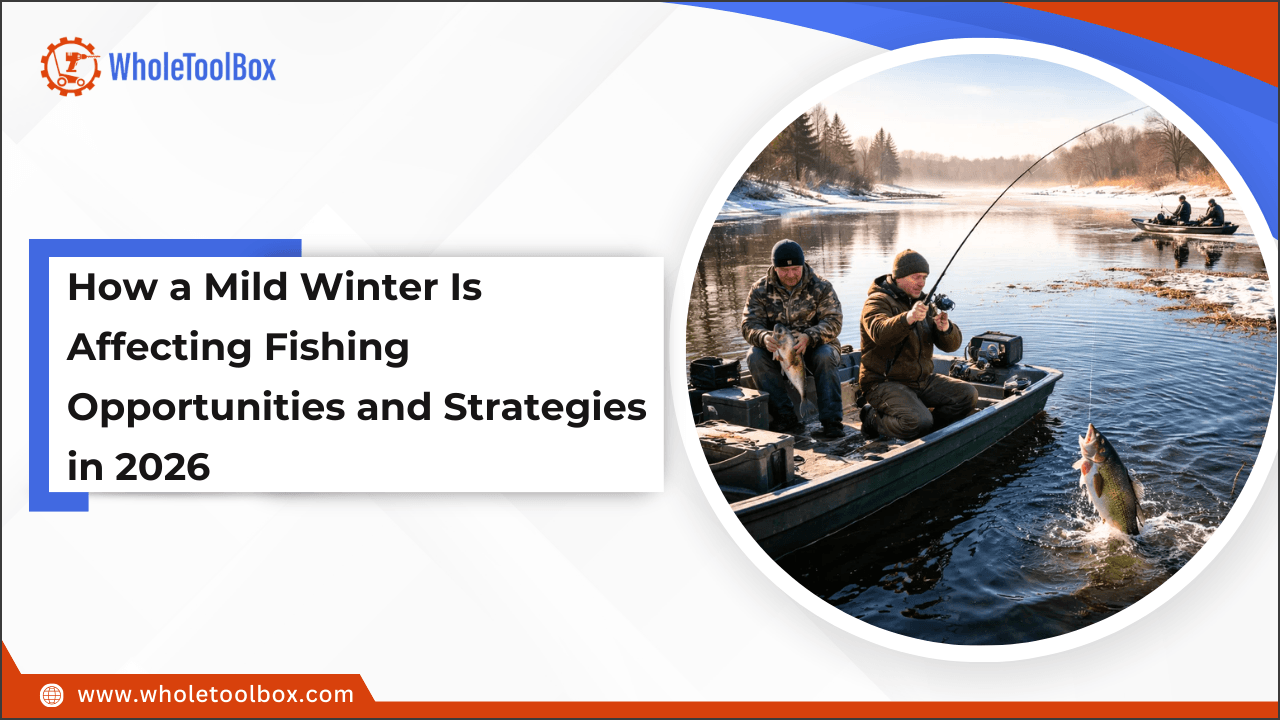
Winter 2026 has been unusually mild, creating unique fishing conditions across North America. Warmer waters are keeping fish active, changing feeding habits, movement patterns, and spawning schedules. Anglers now enjoy extended open-water access as lakes and rivers remain partially ice-free, making traditional winter strategies less effective.
Success depends on adapting gear, selecting the right lures, observing fish behavior, and using smart techniques. This blog explores how these conditions are affecting fish and offers practical tips for a productive 2026 fishing season.
Understanding the Impact of Mild Winters on Fish Behavior
Fish are ectothermic, meaning the surrounding water temperature directly influences their body temperature and activity levels. During cold winters, fish metabolism slows significantly, causing them to become less active, feed less, and congregate in deeper, warmer water.
Anglers have traditionally relied on this predictable behavior to target fish during winter months. In 2026, however, many regions have experienced water temperatures 2 to 5°C above average. This deviation has several key effects on fish behavior, such as:
-
Increased Activity: Warmer water stimulates fish metabolism, encouraging movement and feeding even in winter. Species that typically enter semi-dormancy, such as bass, pike, and walleye, are now active in shallower areas, creating new angling opportunities.
-
Altered Feeding Patterns: During moderate temperatures, prey species like minnows, shad, and small crustaceans stay active, influencing predator behavior. Anglers may need to adjust bait and lure selection to match these feeding patterns.
-
Shifting Habitats: Fish may congregate in areas that are normally less populated during winter. For example, shallow bays, river mouths, and submerged vegetation beds can become productive zones, particularly for species that thrive on warmth and cover.
How a Mild Winter Is Changing Fish Feeding Patterns, Movement, and Spawning Timing
Mild winters keep water temperatures higher, which directly affects fish activity, feeding, and movement. Fish remain more active, explore different habitats, and may spawn earlier than usual. Below are the key changes anglers are noticing:
Feeding Patterns: Fish metabolism remains higher in warmer water, making them more active and willing to feed. Some species are exploring different food sources, and predatory fish are showing increased aggression.
-
Extended Feeding Windows: Fish are more active and willing to bite even on days that would traditionally be considered off-season.
-
Varied Diets: Bass may feed on baitfish earlier than usual, while panfish consume insects or plankton longer into winter.
-
Aggressive Predatory Behavior: Predators such as pike and muskie are often more aggressive when water temperatures remain above normal winter thresholds.
Movement and Habitat: Fish are moving into shallower areas and forming temporary schools, taking advantage of warmer pockets of water and structures that retain heat.
-
Shallower Habitats: Bass, trout, and crappie are found in spots usually associated with spring or summer.
-
Irregular Vertical Patterns: Fish may not stay in deep-water refuges, instead gathering in thermoclines or shallow pockets.
-
Increased Schooling: Some species form large schools in accessible areas, offering multi-catch opportunities.
Spawning Timing: Earlier warming can trigger spawning sooner than normal. Recognizing pre-spawn behavior is important for ethical and effective fishing.
-
Early Spawning: Species like largemouth bass and crappie may start spawning weeks earlier than usual. Anglers need to watch for color changes, nests, and aggressive feeding.
-
Impact on Juvenile Fish: Early spawning can affect fry survival, especially if occasional cold snaps occur, making catch-and-release practices essential.
Why Anglers Are Seeing Longer Open-Water Seasons in 2026
One of the most noticeable impacts of mild winters is the extension of open-water fishing windows. Traditionally, anglers in northern climates contend with frozen lakes and ice-bound rivers from December through February. In 2026:
-
Reduced Ice Coverage: Many lakes and ponds are staying partially or completely ice-free, so anglers can fish without the need for ice-fishing equipment. This allows for consistent access to water that is normally frozen during the winter months.
-
Longer Shoreline Access: With less ice, shorelines remain open for longer periods. Anglers can cast, jig, or fish from banks well beyond the typical winter season, creating more opportunities to catch fish closer to shore.
-
Enhanced Catch Opportunities: Fish that usually stay in deep, hard-to-reach areas during cold months are now active in shallower, more accessible spots. This increases bite rates and overall chances of success, benefiting both recreational and professional anglers.
This extended access benefits both recreational and professional anglers, but fish may behave differently from historical patterns, making careful preparation and adaptable strategies essential.
Gear and Strategy Tips for Mild Winter Fishing
Adapting to the unusual conditions of a mild winter requires both gear adjustments and tactical changes. Here are recommendations for 2026:
Gear Adjustments: Selecting the right equipment is crucial, as fish are feeding in shallower areas and may be less predictable than in a normal winter. Adjusting tackle and lure choices can make a significant difference in sensitivity and catch rates.
-
Lighter Tackle: With fish more active and feeding near the surface, lighter rods, lines, and smaller lures can improve sensitivity and hook-up rates.
-
Versatile Lures: Soft plastics, crankbaits, and jigs remain effective, but variations in color and size may be necessary as fish explore atypical prey.
-
Electronics: Depth finders and sonar are valuable tools to locate fish in shallower or irregular patterns caused by uneven water temperatures.
Tactical Adjustments: Beyond gear, strategy plays a key role in adapting to mild winter conditions. Anglers need to pay attention to environmental cues, fish behavior, and timing to increase success rates.
-
Observe and Adapt: Monitor water temperature, flow, and sun exposure. Fish often congregate in warmer pockets or near structures that retain heat.
-
Target Pre-Spawn Activity: Recognize early signs of spawning, such as shallow nests or chasing behavior, and adjust retrieval speed and lure presentation accordingly.
-
Adjust Timing: Fishing during mid-day when sunlight warms shallow water can yield more bites, even in traditionally slow winter periods.
-
Catch-and-Release Ethics: Early spawning and mild conditions may increase stress on fish. Practice careful handling to protect populations.
Regional Considerations: Fishing conditions can vary greatly by region, and understanding local impacts of mild winters is essential for success. Awareness of regional trends allows anglers to adjust both gear and strategy appropriately.
-
Northern States: Lakes in Minnesota, Wisconsin, and Michigan have less ice, allowing traditional winter techniques to be adapted for open-water fishing.
-
Southern States: Mild winters in Texas, Florida, and the Southeast extend freshwater and coastal fishing seasons, giving more flexibility for both recreational and tournament anglers.
-
Coastal and Estuarine Areas: Mild winter waters may increase predator fish activity, such as striped bass and redfish, near inlets and shallow bays.
Summary: 2026 Mild Winter Impact on Fishing
The mild winter of 2026 has kept fish more active, altering feeding, movement, and spawning patterns across North America. Anglers are enjoying longer open-water seasons, but success depends on adapting gear, selecting the right lures, and closely observing fish behavior. Applying these strategies can make the 2026 fishing season more productive and rewarding.
Key Takeaways
-
Warmer waters increase fish activity, even during typical winter months.
-
Feeding patterns and diets are more varied, requiring flexible bait choices.
-
Fish are moving to shallower areas and forming temporary schools.
-
Early spawning means anglers must recognize pre-spawn behaviors and handle fish carefully.
-
Longer open-water seasons provide extended fishing opportunities in both northern and southern regions.
-
Success relies on adapting gear, lures, timing, and observing water conditions closely.
Shop top-quality fishing equipment parts at WholeToolBox! We offer baitcaster and spinning reels, conventional reels, handles, and main gears from trusted brands like Abu Garcia and Penn, ensuring smooth performance and long-lasting durability
References:
https://www.nsrac.org/wp-content/uploads/2025/08/16-2425-NSAC-Advice-on-2026-Fishing-Opportunities.pdf
https://asafishing.org/advocacy/the-sportfishing-advocate/a-look-ahead-2026/
FAQs
What is the best bait for winter fishing?
In winter, fish are less active, so slow-moving bait works best. Top choices include live minnows, shiners, and small soft plastics, fished near structures, drop-offs, or warmer water pockets where fish gather.
How to choose the right fishing equipment?
Pick your fishing gear based on the species you’re targeting, water conditions, and your technique. Choose a rod, reel, line, and bait that match the fish and environment.
What is the 80/20 rule in fishing?
The 80/20 rule in fishing means roughly 80% of your catches come from just 20% of the water. Focus on productive spots like drop-offs, structure edges, warm-water pockets, vegetation edges, and current breaks to maximize success.