How to Repair a Pressure Washer Hose: A Complete Step-by-Step Guide
A pressure washer hose plays a critical role in delivering consistent pressure, making it essential to keep it in good condition for safe and efficient cleaning. When the hose develops leaks, cracks, or wear, performance drops, and safety risks increase. This guide provides a clear, step-by-step process to diagnose hose issues, identify the right repair tools, and complete repairs correctly. You will also learn when a hose can be safely fixed, when replacement is the better option, and how to prevent future damage. By understanding common causes of pressure washer hose failures and following proven repair practices, you can restore optimal pressure, extend equipment life, and maintain dependable cleaning performance.
Understanding the Role of the Pressure Washer Hose
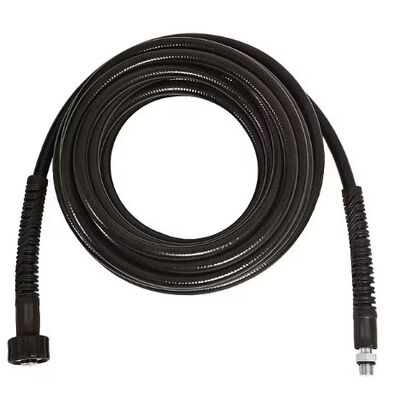
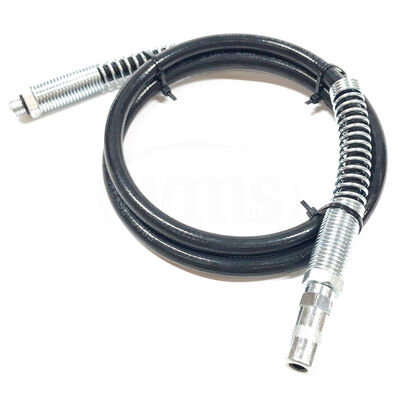
The pressure washer hose is essential for connecting the machine to the spray gun and delivering high-pressure water efficiently. Its material, length, flexibility, and PSI rating all impact performance, safety, and ease of use.
-
PSI Ranges: Residential hoses typically handle up to 3,000 PSI for light cleaning, while commercial hoses can withstand 3,000 to 6,000+ PSI for heavy-duty tasks.
-
Hose Material: Hoses are made of rubber, thermoplastic, or polyurethane. Rubber is durable and kink-resistant, while thermoplastic and polyurethane are lighter and more flexible.
-
Length & Use-Case: Short hoses deliver higher pressure for small areas, while longer hoses reach distant or hard-to-access spots. They are ideal for cleaning vehicles, walkways, patios, driveways, and other surfaces.
Primary Functions of a Pressure Washer Hose
A properly selected and maintained pressure washer hose ensures both safety and efficiency, making it an indispensable part of any cleaning system.
-
Transmits high-pressure water from the machine to the nozzle safely.
-
Maintains pressure without leaks or bursts.
-
Allows mobility and reach for various cleaning tasks.
-
Withstands environmental factors like abrasion, heat, and chemicals.
WholeToolBox offers high-quality pressure washer parts, including carburetors, fuel tanks, and valves, designed to fit trusted brands like Honda, DeWalt, and Echo.
Common Reasons Pressure Washer Hoses Get Damaged
Pressure washer hoses endure high pressure and regular use, which can lead to wear or failure. Here are the key reasons hoses fail, along with simple ways to prevent damage.
-
Exposure to Heat: Hoses can crack, weaken, or wear out if they touch hot engine parts, sharp edges, or rough surfaces.
-
Improper Repairs or Fittings: Using the wrong connectors or repairing leaks incorrectly can cause bursts, leaks, or unsafe pressure buildup.
-
Low-Quality Hoses: Hoses not rated for your washer’s PSI may fail, leak, or wear out quickly.
-
Worn O-Rings: Damaged O-rings, quick-connect fittings, or trigger gun valves can prevent a tight seal. Pressure may build up, forcing the hose off unexpectedly.
-
Aging and Material Fatigue: Over time, hose material naturally degrades due to repeated use or chemical exposure from detergents.
-
Frequent Bending or Kinking: Repeated twisting, bending, or kinking can cause internal damage to hose layers, leading to leaks or bursts.
Consistently monitoring these common issues helps prevent unexpected hose failures and ensures safe, reliable pressure washer performance.
Signs Your Pressure Washer Hose Needs Repair
A failing pressure washer hose usually shows early warning signs before it becomes unsafe to use. Check for the following:
-
Melted or burned spots from touching the engine or exhaust
-
Cracks or damage where the hose connects to the pressure washer
-
Visible holes, cuts, or punctures along the hose
-
Water leaks or sprays out when the washer is running
-
Reduced pressure or difficulty maintaining normal power
Tools and Materials Required for Hose Repair
Before beginning the pressure washer hose repair process, gather the necessary tools and replacement pressure washer parts.
Essential Tools
These tools help you make precise cuts and properly install hose fittings. Using the right tools ensures a safe and effective repair.
-
Utility knife
-
Adjustable wrench
-
Screwdriver
-
Marker or measuring tape
-
Pliers
Materials Needed
These materials are necessary to replace damaged sections and maintain a secure, leak-free connection.
-
High-pressure hose repair kit
-
Replacement hose fittings or connectors
-
High-pressure coupler
-
Thread-sealing tape
-
Lubricant or silicone spray
-
Hose clamps
Step-by-Step Process: How to Repair a Pressure Washer Hose
Repairing a pressure washer hose is a straightforward process when done correctly. Below is a detailed, structured approach for safe and effective repair.
Step 1: Turn Off and Depressurize the Machine
Disconnect the pressure washer from its power source. Release any remaining pressure by squeezing the trigger on the spray gun until the flow stops completely.
Step 2: Identify the Damaged Area
Locate the leak, crack, or puncture. If the damage is minor and limited to a specific point, a cut-and-replace repair is normally sufficient.
Step 3: Remove the Damaged Section
Use a sharp hose-cutting tool or utility knife to remove the damaged portion. Ensure the cut is straight and clean, as uneven cuts make it difficult to secure new fittings.
Step 4: Insert the Repair Fitting
Slide the new fitting into one end of the cut hose. Some fittings require tightening screws, while others use compression for secure sealing. Follow the manufacturer’s instructions included in your repair kit.
Step 5: Secure the Fitting
Use an adjustable wrench to tighten the fitting until secure. Avoid overtightening, which can damage the threads or compress the hose excessively.
Step 6: Attach the Coupler or Additional Fitting
Connect the other hose end to a coupler or replacement connector. Wrap any threaded components with Teflon tape to ensure a leak-free seal.
Step 7: Reconnect and Test the Hose
Reattach the hose to the pressure washer and turn the machine back on. Check for leaks at the repaired area and ensure the water pressure remains stable throughout operation.
Step 8: Reinforce If Necessary
If the outer material around the repair point seems vulnerable, apply protective tape or a rubber sleeve to add durability and prevent future wear.
Find out Karcher pressure washer fittings: quick troubleshooting and repair solutions to spot issues, fix parts, and maintain optimal performance
When to Repair vs. When to Replace the Hose
Not all hose damage can be repaired safely. Because pressure washer hoses must handle intense PSI, replacement is sometimes the only practical option.
|
Decision |
Conditions |
Description |
|
Repair the Hose |
Damage is limited to a small area |
Small pinholes or minor abrasions can be repaired safely. |
|
Internal reinforcement intact |
No exposed steel braid and no structural weakening. |
|
|
Fittings are the only damaged parts |
Ends or connectors can be replaced without compromising integrity. |
|
|
Hose is relatively new and flexible |
No signs of aging, stiffness, or brittleness. |
|
|
Minor leaks at fittings |
It can often be corrected by replacing or tightening connectors. |
|
|
Replace the Hose |
Widespread damage (cracks, cuts, or multiple leaks) |
Lengthwise or multiple-area damage makes repair unsafe. |
|
Heat or pressure deformities (melting, bulging, delamination) |
Indicates internal failure or high-risk pressure rupture. |
|
|
Exposed or corroded reinforcement braid/fittings |
Compromises the pressure-bearing structure. |
|
|
Permanent kinks or stiffness from age |
Aging hoses lose integrity and become unsafe. |
|
|
Repeated blow-offs or persistent leaks even after repair attempts |
Suggests deeper internal failure; replacement is the only reliable option. |
Knowing how to replace a pressure washer hose ensures safe and efficient operation. Old or worn hoses should be replaced, while high-quality ones can be repaired if still intact.
Safety Tips for Repairing Pressure Washer Hoses
Working with pressure washer hoses requires extra caution. Even a small leak can become dangerous when handling high-pressure water systems with thousands of PSI. Follow these essential safety tips to ensure a safe and effective repair:
-
Depressurize Before Repairs: Always release all pressure before starting any repair. Failing to do so can cause sudden bursts and serious injuries.
-
Wear Protective Gear: Use gloves and safety glasses. High-pressure water jets can cut skin instantly, so protection is essential.
-
Use Correct Fittings: Ensure all connectors are rated for your washer’s PSI. Underrated or incompatible fittings can cause blowouts or explosions.
-
Avoid Temporary Fixes: Do not use tape, glue, or makeshift solutions. These cannot withstand high pressure and are unsafe for long-term use.
-
Test Repairs Safely Outdoors: Test repaired hoses in an open area, keeping hands and body away from the repair point.
-
Inspect Hoses Regularly: Check for cracks, leaks, bulges, or stress marks before and after every use to prevent accidents.
Discover how to safely pressure wash garden furniture and patios while learning tips to clean effectively without causing damage.
How to Prevent Future Hose Damage
Working with high-pressure equipment requires caution. Even a small leak can become hazardous when handling thousands of PSI. Keep these safety guidelines in mind:
Use the Right Hose for Your Machine
Always choose a hose rated for your pressure washer’s PSI and temperature. Using an underrated hose increases the risk of leaks, bursts, and damage.
Install Fittings Correctly
Ensure connectors are properly inserted, tightened, and aligned. Avoid excessive bending or twisting at connection points to prevent leaks or disconnections.
Avoid Temporary Repairs
Do not use tape, glue, or makeshift patches on damaged hoses. Replace worn or damaged hoses immediately to ensure safety.
Regular Inspection and Maintenance
Check hoses before and after each use for cracks, leaks, bulges, or worn fittings. Early detection helps prevent dangerous failures.
Conclusion: Restore Pressure Washer Performance with Proper Hose Repair
A properly maintained pressure washer hose ensures safe operation, consistent water pressure, and efficient cleaning performance. By identifying damage early, such as leaks, cracks, or worn fittings, and applying the correct repair methods, you can prevent accidents, reduce downtime, and extend the hose’s lifespan. Regular inspections and using hoses rated for your machine’s PSI, including the proper pressure washer to attach to hose connections, help maintain optimal performance. Following manufacturer instructions and safety protocols ensures repairs are safe and reliable.
Key Takeaways
-
The hose safely transmits high-pressure water from the washer to the spray nozzle.
-
Early signs of failure include leaks, burns, punctures, or reduced pressure.
-
Correct tools, fittings, and safety gear are essential during repairs.
-
Minor damage can often be repaired; extensive damage or structural weakening requires replacement.
-
Regular inspection, proper installation, and avoiding temporary fixes prevent future issues.
Maintaining your pressure washer hose is vital for effective cleaning and user safety. By addressing minor problems promptly and practicing preventive care, you can ensure dependable performance, protect your equipment, and enjoy long-lasting, high-pressure cleaning results.
FAQs
How to fix a pressure washer hose?
Turn off the washer, release pressure, and cut out damaged sections. Use a high-pressure repair kit and rated fittings to fix leaks safely.
How to repair a pressure washer hose?
Turn off the pressure washer and release all pressure before starting. Cut out the damaged section, insert a high-pressure repair fitting, secure it tightly, and test for leaks to ensure safe operation.
How to connect a hose to a pressure washer?
Match the hose connector to the washer outlet or spray gun and secure it tightly. Use Teflon tape on threaded connections for a leak-proof seal.
Are pressure washer hoses universal?
No, hoses vary by PSI rating, length, material, and connector type. Always use hoses compatible with your washer for safe operation.
Can you repair a pressure washer hose?
Minor holes or worn fittings can be repaired with the correct kit and tools. Replace hoses with cracks, bulges, or exposed reinforcement for safety.