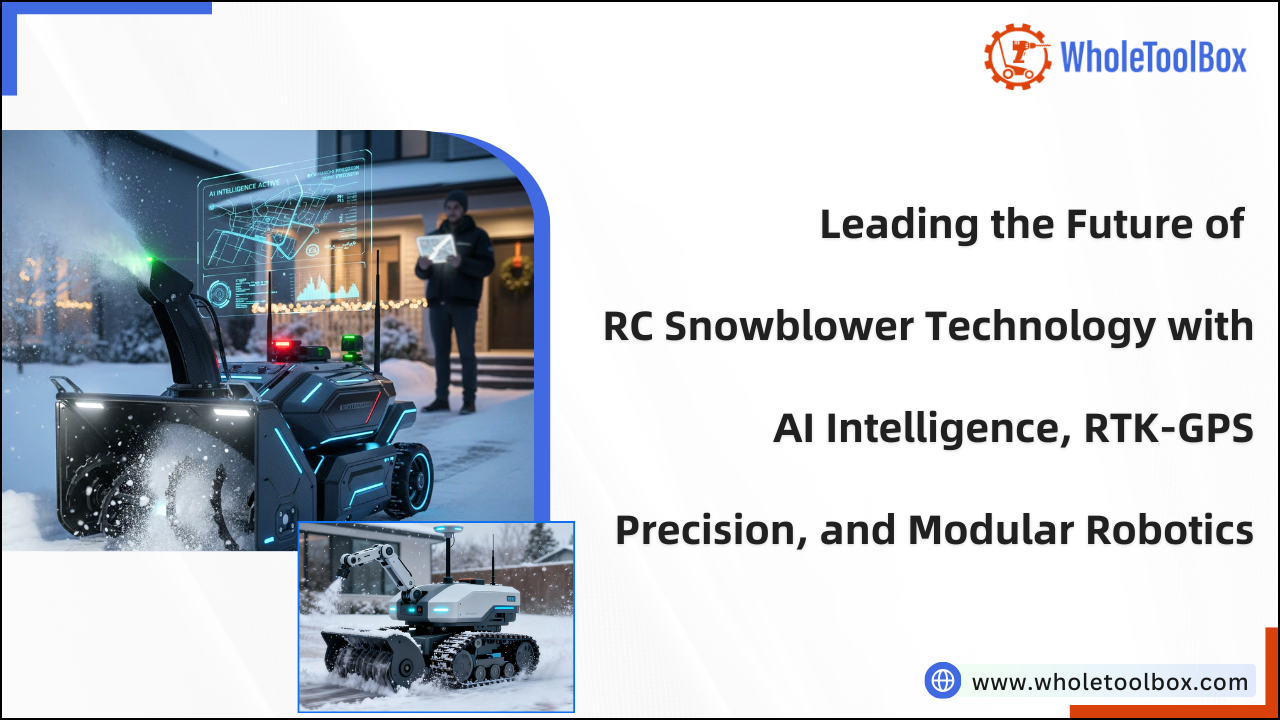
Leading the Future of RC Snowblower Technology with AI Intelligence, RTK-GPS Precision, and Modular Robotics
RC snowblower technology is entering a new era defined by intelligent automation, advanced navigation, and adaptable engineering. What began as basic remote-controlled machines has evolved into precision-driven systems powered by AI, RTK-GPS, and modular robotics. These advancements are transforming snow-management operations by delivering greater accuracy, consistency, and safety in challenging winter conditions.
AI-enabled decision-making, centimeter-level GPS positioning, and modular mechanical structures now allow RC snowblowers to perform complex tasks with minimal intervention. Together, these innovations enhance path efficiency, improve obstacle avoidance, and support reliable performance across diverse environments. As these technologies continue to mature, they are setting a new benchmark for smarter, more efficient, and scalable snow-clearing solutions for residential, commercial, and municipal applications.
Understanding RC Snowblowers and Their Core Components
RC snowblowers provide highly efficient snow-removal performance through robust mechanical engineering and advanced electronic control systems. Their primary subsystems— including the drive mechanism, snow-clearing assembly, power unit, control electronics, and integrated sensor suite—operate cohesively to ensure precise, reliable, and safe functionality. Let’s look at each of these in detail:
Drive System: The drive system provides the traction and mobility needed to move across snow-covered terrain. Most RC snowblowers use:
-
Tracked or wheel-based platforms for stability on ice and deep snow
-
High-torque electric motors for precise speed and power control
-
Differential steering mechanisms for smooth, responsive turning
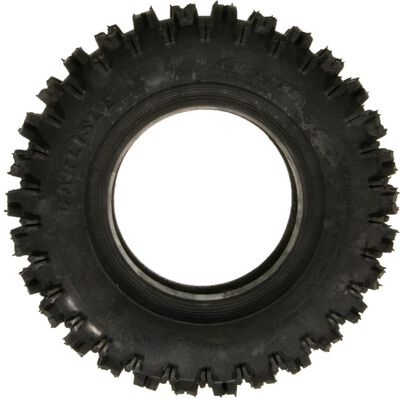
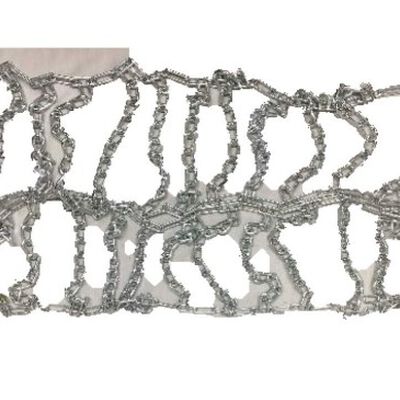
Additional drivetrain elements such as belts, pulleys, shear pins, scraper bars, rotor blades, auger components, and extended-wear paddles enhance durability and ensure consistent performance in harsh winter conditions.
Snow-Clearing Mechanism: The clearing mechanism handles the cutting, gathering, and discharge of snow. Key elements include:
-
An auger assembly that breaks down and collects compacted snow
-
An impeller system that forces snow through the chute
-
Adjustable chute for controlled snow-throwing direction
These systems work in unison to deliver strong, consistent snow removal even in heavy accumulation.
Power System: Modern RC snowblowers rely on efficient electric power systems designed for cold-weather performance. Typical components include:
-
High-capacity lithium batteries for long operating cycles
-
Smart power management that adjusts output automatically
-
Insulated, cold-resistant housings to maintain performance in low temperatures
A well-designed power system ensures dependable operation throughout demanding clearing tasks.
Control Electronics: Control electronics enable precise machine operation and communication between components. These typically include:
-
Wireless or radio-frequency control modules
-
Motor controllers and ESCs for accurate torque and speed regulation
-
Basic onboard processors that coordinate essential functions
This electronic core serves as the base layer for integrating advanced AI decision-making and navigation technologies.
Sensor Suite: RC snowblowers rely on sensors to maintain stability, awareness, and operational safety. Common sensors include:
-
Gyroscopes and accelerometers for tracking orientation and movement
-
Proximity sensors for detecting nearby obstacles
-
Temperature and battery sensors for system protection and performance monitoring
These sensors supply the real-time data necessary for responsive, controlled movement and safe operation.
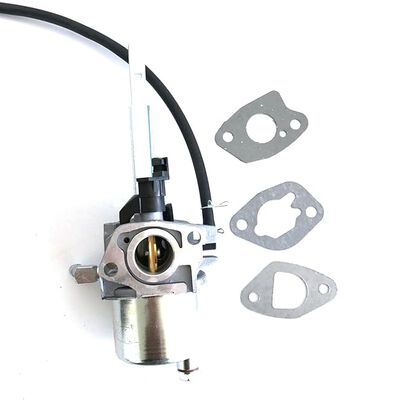
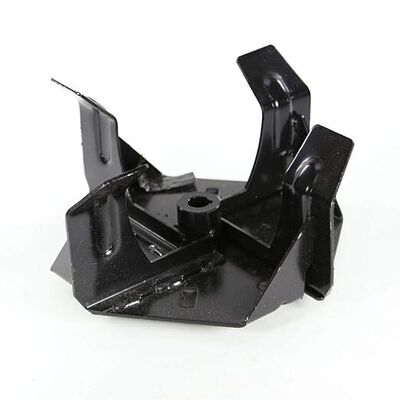
Check out the top 10 snow blower accessories to make winter cleanup easier, featuring durable chutes, augers, impellers, and essential control cables for efficient snow removal.
How AI Is Transforming RC Snowblower Performance
Modern snowblower technology has evolved significantly from its early push-style beginnings. As demand for better performance grew, machines evolved into gas-powered and later electric models. With rising labour challenges and the need for greater efficiency, manufacturers have shifted toward automation, leading to the development of RC snowblowers that deliver remote operation without the physical effort required by traditional equipment.
However, early RC systems still relied heavily on user control. The real transformation began with the introduction of:
-
Enhanced battery efficiency
-
Robotic chassis designs
-
Precision navigation systems
These features paved the way for today’s semi-autonomous and fully autonomous snowblowers capable of performing tasks with minimal human input.
Seamless Automation in RC Snowblowers with AI, RTK-GPS, and Modular Robotics
The next generation of RC snowblowers relies on the seamless integration of AI intelligence, RTK-GPS navigation, and modular robotics. Working together, these systems enable fully autonomous operation with minimal human involvement.
AI-Driven Intelligence: Artificial intelligence processes continuous input from onboard sensors, cameras, and environmental data. This allows the snowblower to:
-
Analyse snow depth and surface conditions
-
Detect and classify obstacles instantly
-
Optimise clearing patterns in real time
-
Adjust power, torque, and traction automatically
The AI system essentially serves as the machine’s brain, making complex decisions instantly and adapting to unpredictable weather conditions.
Precision Navigation with RTK-GPS: RTK-GPS brings engineering-level accuracy to RC snowblowers, enabling them to navigate with near-perfect precision. This advanced positioning system ensures clean, straight paths and flawless boundary control even in low-visibility winter conditions.
|
Feature |
Standard GPS |
RTK-GPS |
|
Accuracy |
1 to 3 m |
1 to 2 cm |
|
Suitable for Autonomous Use |
No |
Yes |
|
Reliability in Fog/Snow |
Moderate |
High |
|
Edge Accuracy |
Poor |
Excellent |
|
Mapping Complexity |
Basic |
Advanced precision mapping |
RTK-GPS acts as the machine’s “spatial awareness system,” ensuring every movement is executed with engineering-grade precision.
Modular Robotics: A modular design ensures the snowblower remains adaptable and easy to maintain. Key robotic modules may include:
-
Swappable auger or drive modules
-
Detachable sensor and control units
-
Interchangeable battery packs
-
Upgradable AI or processing components
This modularity enhances operational uptime, allows configuration for specific snow conditions, and extends the machine’s lifespan by simplifying repairs and upgrades.
With the combined power of AI, RTK GPS, and modular robotics, RC snowblowers can autonomously manage every aspect of snow clearing. They can map and analyse the clearing area, generate optimised routes, navigate around obstacles, and provide real-time status, diagnostics, and alerts, ensuring efficient and reliable winter operation.
This level of integration enables true set-and-forget operation, where the user only needs to initiate a schedule or allow the system to trigger automatically based on weather conditions.
Explore the future of snow removal: exploring advanced snow blower technology, where smart automation, eco-friendly power, and innovative design redefine winter maintenance.
Real-World Applications and Current Challenges
As RC snowblower technology matures, adoption is increasing across several sectors. The adaptability of AI, RTK-GPS, and modular robotics makes these systems suitable for both small-scale and heavy-duty environments.
Key Applications: These systems deliver efficient, reliable snow removal across residential, commercial, and challenging environments.
-
Residential: Homeowners enjoy hands-free snow removal for long driveways, pathways, and sidewalks, with remote monitoring providing convenience even during storms.
-
Commercial: Shopping centres, office complexes, and industrial parks benefit from consistent large-scale snow clearing with minimal labor.
-
Municipal: Cities deploy autonomous snow-clearing systems for bus stops, pavements, cycling lanes, and public plazas, reducing reliance on seasonal labor.
-
Institutions: Hospitals, universities, and government facilities require safe, reliable, and timely snow management, which automated systems can deliver uniformly.
-
Remote and Hazardous Areas: Steep gradients, icy terrains, and restricted zones pose risks for manual operators; robotic snowblowers provide safe remote operation without exposure to extreme conditions.
Current Challenges in Adoption: Despite their advantages, RC snowblowers face several challenges that the industry continues to address:
-
High Initial Costs: Advanced robotics, AI sensors, and GPS modules increase production costs, though long-term savings often offset this investment.
-
Sensor Limits: Although RTK-GPS maintains accuracy in most conditions, optical and lidar sensors may experience reduced visibility during heavy snowfall.
-
Battery Performance: Low temperatures reduce battery efficiency. Manufacturers are developing insulated battery housings and advanced lithium chemistries to maintain output.
-
User Training: Users may require initial training to configure navigation routes, understand AI features, and manage system diagnostics.
-
Regulatory Compliance: Autonomous machinery must meet evolving safety standards that vary by region. Certification, operational limits, and public-space usage guidelines continue to develop.
-
Practical Testing Insights: Experiments and DIY RC snowblowers highlight real-world issues such as weight distribution, traction, and operational strategies, providing valuable data to improve broader adoption.
Final Thoughts: Smarter, Safer, and More Efficient Snow Management
The evolution of RC snowblowers marks a major shift from traditional manual equipment to intelligent, fully autonomous systems. With the combined strengths of AI, RTK-GPS, and modular robotics, modern snowblowers now deliver precision, consistency, and adaptability that were previously impossible.
Key Takeaways
-
AI enables autonomous path planning and obstacle avoidance
-
RTK-GPS delivers centimeter-level precision for perfect route mapping
-
Modular robotics maximizes efficiency through customizable attachments
-
Electric power reduces environmental impact and total ownership cost
-
Hybrid remote and autonomous control adapts to every terrain and scenario
As these technologies continue to advance, their real-world applications will expand across residential, commercial, and municipal environments. While challenges such as cost, sensor performance, and user training remain, ongoing innovation is rapidly closing these gaps.
Upgrade your snowblower with premium parts from WholeToolBox, including high-performance auger and impeller systems, auger assemblies, batteries, cables, electric starters, and long-lasting headlights and bulbs, perfect for keeping Poulan, Husqvarna, MTD, and other leading snowblower brands.
References:
https://www.consumerreports.org/home-garden/snow-blowers/best-and-worst-snow-blowers-of-the-year-a6557947100/
https://www.cambridgema.gov/Services/Recycling#!rc-cpage=253196
FAQs
How far can an RC snowblower throw snow?
An RC snowblower can typically throw snow 20 to 40 feet, depending on its auger and impeller design. High-performance models may reach up to 50 feet under optimal conditions.
Should I spray my snowblower with WD-40?
WD-40 can help prevent rust on metal parts, but avoid spraying the engine, electrical components, or belts. Use it mainly on exposed metal surfaces for protection.
What is the best oil to put in a snowblower?
Use high-quality, synthetic or SAE 5W-30 engine oil for most modern snowblowers. Always check the manufacturer’s recommendations for the best performance in cold conditions.