The Ultimate Deck Mower Troubleshooting Guide for Smooth Lawn Care
A well-maintained deck mower is essential for a pristine lawn, but even the best machines can face issues over time. From clogged decks to worn blades and malfunctioning belts, understanding common problems can save time and money. Regular maintenance helps extend your mower's life and ensures optimal performance.
Whether you're a seasoned pro or a first-time user, knowing how to troubleshoot your deck mower, including issues with the deck spindle, is vital. This guide covers common problems, signs your mower needs attention, and simple steps for inspections, repairs, and preventative care. Master these techniques to keep your mower in peak condition and enjoy a smooth, healthy lawn all season long.
| Table of Contents: Common Deck Mower Problems Every Operator Should Know Signs Your Deck Mower Needs Immediate Attention Inspecting the Engine, Belts, and Blades for Issues in Deck Mowers Step-by-Step Process for Clearing Blockages and Debris in Deck Mowers Fixing Engine, Belt, and Blade Malfunctions Effectively Preventive Maintenance Tips to Keep Your Deck Mower Running Smoothly Mastering Efficient Mowing for a Perfect Lawn |
Common Deck Mower Problems Every Operator Should Know
Even the best deck mowers can face performance issues over time. Knowing these common problems helps you fix them quickly and keep your mower running smoothly.
Here are some of the most common deck mower problems every operator should know:
-
Uneven Cutting: Often caused by dull blades, an unlevel deck, or uneven tire pressure. Regular blade sharpening and deck leveling can fix this issue.
-
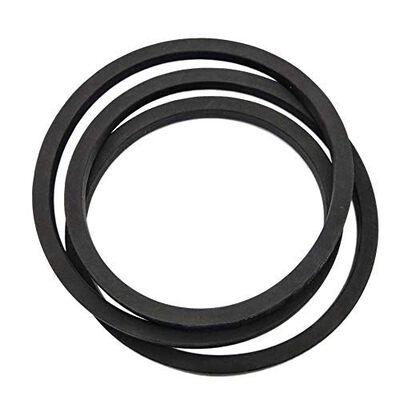
Belt Slippage: Worn-out or loose belts can reduce power and efficiency. Inspect and replace them as needed to maintain optimal performance.
-
Clogging or Grass Buildup: Grass and debris accumulating under the deck can hinder airflow and cutting quality. Clean the deck after every use.
-
Poor Discharge or Clumping: When grass clumps or doesn’t discharge properly, it’s often due to wet grass, dull blades, or a clogged chute. Mow in dry conditions and clear the chute regularly.
-
Rust and Corrosion: Moisture and dirt buildup can cause rust, weakening the mower deck. Store the mower in a dry place and clean it frequently.
-
Blade Scalping: Occurs when the deck is set too low or the ground is uneven. Adjust the cutting height to prevent damage to your lawn.
Regular maintenance, including checking mower deck spindles, keeps your mower running smoothly and extends its life.
Looking to fix your deck mower? At WholeToolBox, we offer a wide range of deck mower parts, from mower spindles to replacement blades and mower belts. Shop trusted brands like DeWalt, Makita, and Husqvarna to ensure your mower performs at its best all season long!
Signs Your Deck Mower Needs Immediate Attention
Even small irregularities in your deck mower’s performance can signal serious issues if ignored. Catching these early keeps your mower safe and efficient.
Here are some important warning signs:
-
Difficulty Steering: Harder maneuvering may indicate worn steering parts or wheel alignment issues.
-
Uneven Engine Speed: Fluctuating RPMs can signal carburetor or fuel delivery problems.
-
Excessive Fuel Consumption: Higher fuel use may point to engine inefficiency or clogged air filters.
-
Battery or Electrical Issues: Dim lights or slow starts suggest a weak battery or faulty wiring.
-
Deck Height Dropping During Use: A sinking deck often indicates worn lift mechanisms or springs.
-
Hydraulic or Oil Leaks: Visible leaks can cause serious engine or hydraulic system damage.
Check out this article on common lawn mower spindle problems every gardener should know to ensure your mower runs smoothly and efficiently all season long.
Inspecting the Engine, Belts, and Blades for Issues in Deck Mowers
A thorough inspection is the first step in diagnosing and fixing deck mower problems. Here’s a detailed look at the critical components:
Engine Inspection
-
Check the Oil: Low or dirty oil can cause engine overheating or damage. Check oil levels regularly and change as recommended.
-
Inspect the Air Filter: A Dirty or clogged air filter reduces engine efficiency and power. Clean or replace the filter routinely.
-
Examine the Spark Plug: Worn spark plugs cause misfires, rough running, or poor performance. Inspect and replace as needed.
-
Fuel System Check: Old or contaminated fuel leads to hard starting or stalling. Drain old fuel and use fresh, clean fuel.
-
Check for Leaks or Smoke: Leaks or unusual smoke indicate internal engine problems. Identify the source, repair leaks, or consult a professional.
Belt Inspection
-
Visual Check: Look for cracks, fraying, or glazed belts that may slip or break. Replace damaged belts immediately.
-
Tension Test: Loose belts cause uneven blade rotation and reduced cutting efficiency. Adjust belt tension according to the manufacturer's instructions.
-
Alignment: Ensure belts are correctly aligned on pulleys to prevent slipping or premature wear.
-
Pulley Inspection: Check pulleys for wear or wobbling. Damaged pulleys can shorten belt life and reduce performance.
Blade Inspection
-
Sharpening: Dull blades tear grass instead of cutting it cleanly. Sharpen blades regularly for a smooth, even cut.
-
Balance: Bent or damaged blades cause vibrations and uneven mowing. Replace bent or damaged blades promptly.
-
Damage Check: Rusty blades reduce cutting efficiency and can harm the lawn. Clean and de-rust blades or replace if severely corroded.
-
Blade Mount Check: Ensure blades are securely mounted and bolts are tight. Loose blades can be dangerous and cause uneven cutting.
-
Edge Wear Inspection: Look for chipped or worn edges. Replace blades with significant wear to maintain a clean cut.
Inspecting the mower deck spindle assembly ensures proper alignment, lubrication, and bearing condition to prevent wobbling and ensure a smooth, even cut.
Check out this guide on how to replace lawn mower belts to keep your mower in top condition and avoid costly repairs.
Step-by-Step Process for Clearing Blockages and Debris in Deck Mowers
Blockages and debris can reduce mower performance and cause damage. Regular cleaning keeps your mower efficient and your lawn neat.
Step 1: Safety First
Always turn off the engine and remove the spark plug before starting any cleaning or maintenance. This prevents accidental blade movement and ensures your safety.
Step 2: Clear Grass Clippings and Leaves
Use a brush or gloved hands to remove grass clippings, leaves, and other debris from the mower deck, blades, and discharge chute. Avoid using bare hands near sharp blades.
Step 3: Inspect and Remove Clogs
Check the underside of the deck for compacted grass or stuck debris. Use a plastic or wooden tool to carefully dislodge any clogs. Never use metal tools that could damage the deck or blades.
Step 4: Clean the Deck Surface
Rinse the mower deck with a garden hose to remove remaining dirt and grass residues. For stubborn buildup, use a mild detergent and scrub gently with a brush.
Step 5: Check the Discharge Chute and Mulching Components
Ensure that the discharge chute, mulching plates, or side outlets are clear and free of obstructions. Blocked chutes can cause uneven cutting and strain the engine.
Step 6: Inspect Blades and Belts
While cleaning, check the blades and belts for damage or wear. Remove any trapped debris around the blade mounts or pulley areas. If you notice significant wear or damage to the spindle, consider mower deck spindle replacement to ensure smooth mower operation.
Step 7: Reassemble and Test
Once all debris is cleared, dry the deck, reconnect the spark plug, and start the mower. Run it briefly to ensure smooth operation and proper blade rotation.
Performing these steps after each mowing keeps your mower efficient and reduces the risk of damage. It also ensures your lawn stays healthy, neat, and professionally maintained.
Fixing Engine, Belt, and Blade Malfunctions Effectively
Keeping your deck mower in top shape means addressing issues beyond the usual wear and tear. Here’s how to handle some less obvious but critical malfunctions:
Engine Malfunctions
-
Overheating Engine: Caused by clogged cooling fins or insufficient lubrication. Clean cooling fins and ensure proper oil levels.
-
Fuel Line Blockage: Prevents fuel flow, causing stalling or no-start issues. Inspect lines for cracks, kinks, or debris and replace if needed.
-
Carburetor Problems: A Dirty or gummed-up carburetor leads to rough idling or poor acceleration. Clean or rebuild the carburetor.
-
Unstable RPM: Engine speed fluctuates due to throttle or governor issues. Adjust or repair the governor mechanism.
-
Starter Issues: Difficulty starting can stem from a weak or faulty starter. Inspect connections, battery (if electric start), and replace the starter if necessary.
Belt Malfunctions
-
Slipping Belts Under Load: Belts may stretch or glaze over time, causing poor performance. Replace belts and check pulley tension.
-
Sudden Belt Breakage: Caused by material fatigue or debris caught in the deck. Inspect belts regularly and remove obstructions.
-
Frayed Belt Edges: Small frays can grow and lead to belt failure. Trim minor frays carefully or replace if severe.
-
Belt Friction Burn: Smell or smoke during operation indicates excessive friction. Replace worn belts and check tension.
-
Cracked Idler Wheels: Idlers keep belt tension consistent; cracks can cause poor operation. Replace damaged idler wheels.
Blade Malfunctions
-
Blade Hitting Hard Objects: Causes dents or bends. Inspect blades after each mowing and replace if bent.
-
Uneven Deck Wear: Can create scalping or missed patches. Adjust deck height and check for warped deck surfaces.
-
Loose Blade Adapters: Can cause wobbling or misalignment. Tighten or replace blade adapters.
-
Blade Shaft Wear: Worn shafts reduce cutting efficiency. Inspect and replace if necessary.
-
Corrosion Around Mounting Holes: Weakens attachment points. Clean and apply anti-rust treatment or replace blades if damaged
Preventive Maintenance Tips to Keep Your Deck Mower Running Smoothly
Proactive maintenance prevents small issues from turning into costly repairs. Regular checks keep your mower efficient and your lawn healthy.
-
Inspect Deck Leveling and Alignment: Ensure the deck is even to avoid scalping or missed patches. Adjust as needed.
-
Monitor Engine Mounts: Tighten or replace loose mounts to reduce vibration and component stress.
-
Check Electrical Connections: Inspect wiring for corrosion or looseness to prevent starting or power issues.
-
Examine Fuel Lines and Filter: Replace old lines or clogged filters to maintain consistent fuel flow.
-
Lubricate Spindles and Gearboxes: Apply grease to bearings and moving parts to prevent wear and overheating.
-
Test Safety Switches: Ensure brakes and operator presence switches work correctly for safe operation.
-
Inspect Wheel Bearings and Axles: Replace worn components to prevent uneven cutting or wheel failure.
-
Protect Against Rust: Clean and spray metal parts to prevent corrosion, especially under the deck.
Mastering Efficient Mowing for a Perfect Lawn
Achieving a pristine lawn isn’t just about maintenance; how you mow plays a crucial role. Smart mowing techniques can prevent uneven cutting, reduce stress on your mower, and promote healthy, dense grass growth. A combination of proper mower operation and regular care ensures a smooth, efficient lawn care routine.
Essential Mowing Tips:
-
Plan a consistent mowing schedule to avoid overgrowth
-
Adjust deck height according to grass type and season
-
Alternate mowing patterns to encourage even growth
By following these practices, you maximize both the life of your mower and the quality of your lawn, making each mowing session easier and more effective.
FAQs
How to Grease Mower Deck Spindles?
To grease mower deck spindles, lift the mower deck and locate the spindle grease fitting. Use a grease gun to apply grease until it starts to ooze out, ensuring smooth movement and preventing wear.
How to Remove a Spindle from a Lawn Mower Deck?
To remove a spindle, first, disconnect the mower's spark plug for safety. Unscrew the spindle bolts and carefully remove the spindle from the deck, checking for any signs of wear.
What Would Cause a Mower Deck Not to Engage?
A mower deck may not engage if the drive belt is broken, loose, or worn. Check the belt tension and condition, and ensure the deck engagement lever is functioning correctly.
How to Tell if Mower Deck Spindles Are Bad?
Bad mower deck spindles often show signs of wobbling, excessive vibration, or grinding noises. If you notice these issues, inspect the spindles for damage or wear and consider replacing them.
How to Diagnose Lawn Mower Problems?
To diagnose lawn mower problems, start by checking the engine, fuel system, and belts for issues. Regular inspections of the blades, spindles, and battery will help identify common malfunctions.