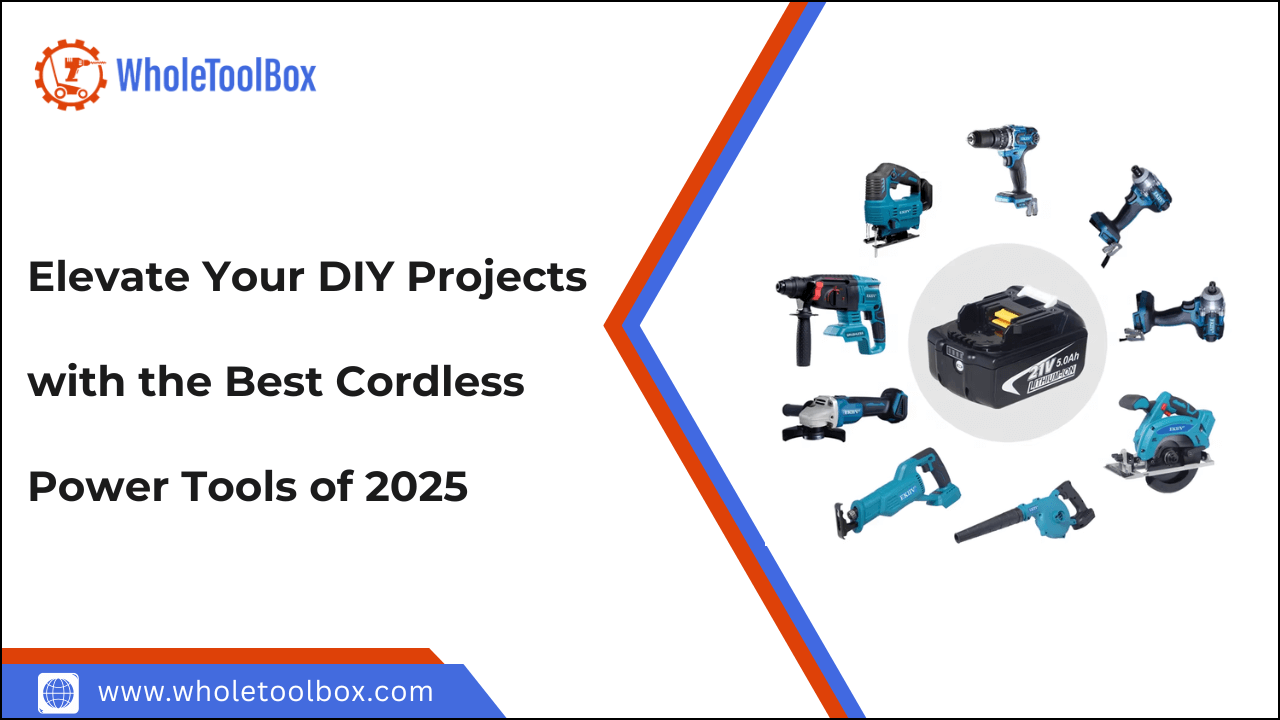
Elevate Your DIY Projects with the Best Cordless Power Tools of 2025
In 2025, cordless power tools have reached a new level of innovation, combining power, precision, and portability like never before. Whether you're a professional contractor or a weekend DIY enthusiast, today’s cordless tools deliver the performance of corded models without the hassle of wires. With longer battery life, faster charging, and smart connectivity, these tools make every project smoother and more efficient.
From drilling and cutting to sanding and fastening, the latest generation of cordless tools is designed to handle any challenge with ease. Featuring brushless motors, ergonomic designs, and advanced safety features, they’re built to help you work smarter and faster. Discover how the best cordless power tools of 2025 can transform your DIY experience and elevate your craftsmanship.
The Power Shift: What to Look for in a Cordless Power Tool Kit in 2025
With so many brands and bundles on the market, choosing the right cordless tools can feel overwhelming. Here’s what matters most when making your decision:
Battery Compatibility and Platform
-
Long-term Investment: Choose a brand with a universal battery system that powers multiple tools, making it easier to expand your toolkit.
-
Ecosystem Advantage: Sticking with one brand ensures compatibility across tools, eliminating the need for different battery types.
-
Cost-Effectiveness: Save money by using the same battery for multiple tools, rather than purchasing new batteries for each tool.
Voltage and Runtime
-
18V–20V for Home Use: An 18V–20V system offers the right balance of power and affordability, ideal for most DIY and home projects.
-
Heavy-Duty Power (40V and Up): For tougher tasks or frequent use, higher-voltage tools (40V+) offer more power and longer runtime.
-
12V for Light Work: A 12V system is perfect for light, portable tools suited for delicate tasks or small projects like assembly.
Brushless Motors
-
Higher Efficiency: Brushless motors are more energy-efficient, reducing friction and making the tool perform better.
-
Longer Lifespan: Without brushes to wear down, brushless motors last longer and require minimal maintenance.
-
More Torque: These motors generate more torque, improving performance, especially with heavy materials.
-
Reduced Heat Generation: Brushless designs produce less heat, extending the life of the tool.
Ergonomics and Weight
-
Comfort: Look for tools with well-balanced grips and low vibration to minimize hand fatigue during prolonged use.
-
Lightweight Design: Lighter tools reduce wrist and hand strain, improving comfort and precision during extended tasks.
-
Soft-Grip Handles: Soft or rubberized handles provide a comfortable, secure hold, enhancing control.
-
Improved Accuracy: Well-designed, ergonomic tools help maintain better control for more accurate work.
Smart Features
-
Digital Torque Control: Adjustable torque settings offer better control and precision for tasks like driving screws or drilling.
-
LED Displays: Digital screens show real-time information such as battery life, speed, and torque for efficient task management.
-
Connectivity: Smartphone connectivity allows tools to offer data analytics, troubleshooting support, and maintenance reminders.
Check out this article on power without limits: Makita redefines peak performance with cordless tools, exploring how Makita's innovative technology delivers unmatched power, efficiency, and versatility for professionals and DIYers alike.
Top Cordless Power Tool Picks of 2025
Here are some of the most reliable and popular cordless tool kits of 2025, spanning beginner-friendly options to professional-grade setups.
-
Makita 619198-8 Drill Armature
This armature converts electrical energy into mechanical energy to provide power and accuracy for drilling. Constructed from high-quality materials, it increases durability, minimizes heat build-up, and maximizes performance. -
DeWalt N391336 Drill Keyless Chuck
A keyless chuck that allows users to change drill bits without a chuck key, providing a firm hold to prevent slipping. -
Makita 183E39-9 Drill Housing Set
A replacement casing for power drills that shields internal parts from dust, shock, and abrasion, enhancing performance and longevity. -
DeWalt N557514 Power Supply, 120VAC
A stable 120V AC replacement part for cordless tool chargers, designed to meet heavy power demands. -
Milwaukee 42-66-2608 Cordless Drill Keyless Chuck
Enables easy and fast bit changes without additional tools. -
Milwaukee 23-81-0626 Transformer
A high-performance power supply for M12-M18 cordless tools, converting AC to DC power to improve functionality and operating time. -
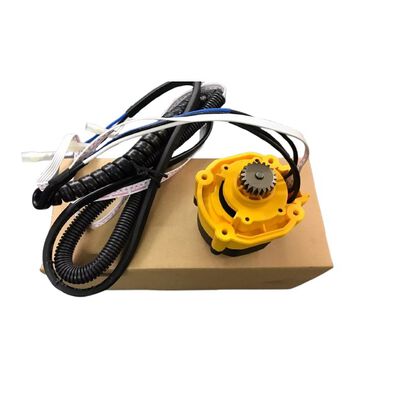
Makita 619406-7 Drill Rotor
An essential motor component that converts electrical energy to mechanical motion, delivering required torque and speed. -
Bosch 2606200259 Cordless Drill Gearbox
A replacement part ensuring smooth operation and durability for Bosch cordless drills. -
Makita 619415-6 Drill Rotor XDT15
A replacement rotor for Makita XDT15 series drills, ensuring optimal performance and longevity. -
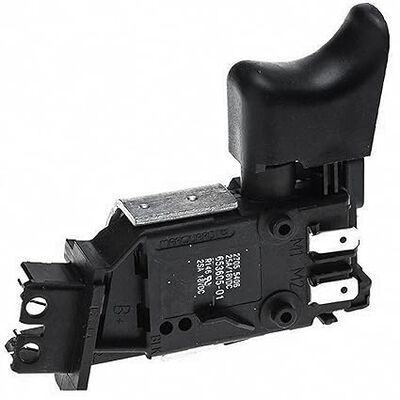
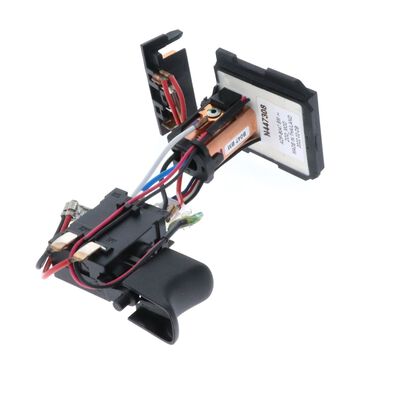
Makita 650587-8 Hammer Drill Switch
A vital switch that allows users to start, stop, and control drill speed accurately.
Each of these kits offers a balance between performance, price, and reliability, making them standout choices for the modern DIYer.
How to Build Your Cordless Toolkit Step by Step
Building a comprehensive cordless toolkit doesn’t have to happen all at once. Here’s how to do it strategically:
Step 1: Choose a Battery Platform
Pick a brand and voltage range you can stick with. A consistent battery platform allows easy swapping and reduces long-term costs.
Step 2: Start with Core Tools
Begin with essentials like a drill/driver and an impact driver combo. These cover 80% of typical DIY needs: drilling, fastening, and assembly.
Step 3: Add Cutting Tools
Next, expand to saws. A circular saw, jigsaw, or oscillating multi-tool adds versatility for carpentry, flooring, and renovation work.
Step 4: Add Specialized Tools
Once you’re more confident, add an impact wrench, rotary hammer, or angle grinder for tougher materials like concrete, metal, or stone.
Step 5: Maintain Your Tools
Keep batteries charged correctly and avoid over-discharge. Store them in a dry, moderate environment. Regular cleaning and calibration keep your tools in top shape.
Step 6: Get the Right Accessories
Extra batteries, fast chargers, and tool bags are invaluable. They make your workflow smoother and your setup more portable.
Explore this article on how modern safety features in power tools are preventing accidents, showcasing the latest advancements in tool safety to protect users on the job.
How Cordless Power Tools Elevate Your DIY Projects
Here’s how cordless tools change the way you work on common home and creative projects:
-
Furniture Assembly & Home Decor: Cordless drivers make screw fastening faster and cleaner without tangling cords or dragging extension cables.
-
Mounting & Installation: Hanging TVs, shelves, or curtains becomes safer and easier when you can work from ladders or tight corners without wires.
-
Woodworking & Renovation: Cordless saws and drills allow seamless cutting and framing anywhere on-site.
-
Outdoor Projects: Deck building, pergolas, and gardening projects are far more efficient when you don’t need outdoor power sources.
-
Automotive Work: Cordless impact wrenches give you pro-level control for tire changes or mechanical repairs in your own garage.
In every case, cordless tools reduce setup time, eliminate tripping hazards, and allow you to move freely from task to task.
Common Mistakes to Avoid
Even with all the advantages, it’s easy to make mistakes when choosing or using cordless tools. Avoid these pitfalls to get the best results:
-
Buying Mismatched Tools: Stick to one brand platform to save on batteries and chargers.
-
Ignoring Battery Capacity: Smaller batteries drain quickly. Opt for higher amp-hour (Ah) ratings for longer runtime.
-
Using Underpowered Tools: Don’t expect a 12V drill to handle masonry or thick hardwoods—match power to task.
-
Poor Battery Care: Don’t overcharge or leave batteries in extreme temperatures.
-
Overlooking Ergonomics: A lighter, balanced tool will always outperform a heavy one in usability.
-
Skipping Accessories: Invest in high-quality drill bits, blades, and attachments. Your tool is only as good as what you use with it.
-
Neglecting Safety: Always wear protective gear, gloves, goggles, and dust masks to prevent injuries.
Cost Breakdown Example for a DIY Project
Let’s say you’re building a wooden bookshelf for your living room. Here’s how the costs might break down:
|
Item |
Cost |
Description |
|
Cordless Drill/Driver |
$100 |
Mid-range, good for drilling and driving screws |
|
Cordless Circular Saw |
$150 |
Great for cutting the wood pieces |
|
Battery & Charger |
$80 |
If not included with the tools |
|
Screws, Nails, Wood, Paint |
$100 |
Materials needed for building the shelf |
|
Safety Gear (Gloves, Goggles) |
$30 |
Essential for protecting yourself while working |
|
Toolbox for Storage |
$50 |
For organizing and storing your tools |
|
Total Estimated Cost |
$510 |
Total for the DIY bookshelf project |
Why 2025 Is the Perfect Time to Go Cordless
There’s never been a better time to embrace cordless technology. Here’s why:
-
Performance Parity: Modern cordless tools now rival corded ones in torque, speed, and runtime.
-
Smarter Technology: With app control, auto-shutdown, and digital torque management, tools are more efficient than ever.
-
Affordability: Competition among brands has made high-quality cordless systems more accessible to home users.
-
Eco-Conscious Design: Rechargeable systems and longer product lifespans reduce waste and environmental impact.
-
Expanding DIY Culture: Whether it’s furniture building, home renovation, or creative crafting, the DIY trend is thriving—powered by cordless innovation.
Cordless tools aren’t just about convenience; they represent a shift toward smarter, cleaner, and more efficient craftsmanship.
Sure! Here's the revised version with a different question structure:
Ready to take your DIY projects to the next level in 2025? At WholeToolBox, we offer a wide range of power tool parts from circular saw parts to drill motor parts and impact wrench parts. from leading brands like DeWalt, Makita, and Ryobi. Keep your tools in peak condition and power through every project with ease!
References:
https://www.cpsc.gov/
https://www.nsc.org/
https://www.ansi.org/
FAQs
How can I organize my workspace when using cordless power tools?
A clean, organized workspace is key to efficiency. Use toolboxes or shelving to keep your tools within reach, and ensure that you have enough space to work comfortably and safely.
Why do cordless power tools have different voltage options?
The voltage of a cordless tool determines its power. Higher voltage tools (e.g., 20V or 40V) provide more torque and are better for heavy-duty tasks, while lower voltage tools (e.g., 12V) are suitable for lighter, everyday projects.
How do I know which brand of cordless power tools is right for me?
Consider your budget, the quality of the tools, and the type of projects you’re doing. Popular brands like DeWalt, Makita, and Bosch offer a good balance of reliability, performance, and value, while Ryobi and Black+Decker are great choices for casual DIYers.