Why Powermate Tiller Parts Keep Failing: Common Causes and Prevention Tips
Are your Powermate tiller parts failing repeatedly or wearing out faster than expected? These issues often point to underlying mechanical stress, fuel-related problems, or poor maintenance practices that reduce overall machine efficiency and increase long-term repair costs.
Common causes include contaminated fuel systems, clogged air filters, worn drive belts, overloaded tines, and neglected lubrication. In many cases, inconsistent maintenance and harsh operating conditions accelerate wear across critical Powermate tiller components such as the engine, gearbox, clutch system, rear tine control cables, and tines.
In this blog, you’ll learn the most common failure points in Powermate tillers, why they happen, and how to prevent repeated breakdowns through proper maintenance and repair decisions.
Understanding the Most Common Powermate Tiller Part Failures
A Powermate tiller is a garden machine used to break and loosen soil for planting. It runs on a small gasoline engine that generates power and transfers it through a clutch, belt, and gearbox system, which finally drives the rotating tines to dig into the ground and prepare it for cultivation.
Key parts include the engine, carburetor, spark plug, air filter, fuel system, gearbox, drive belt, shear pins, and tines. Most failures occur due to fuel and air system issues like clogged carburetors or dirty filters, while mechanical wear in belts, shear pins, and tines happens from heavy soil work and lack of maintenance, leading to reduced performance or breakdowns.
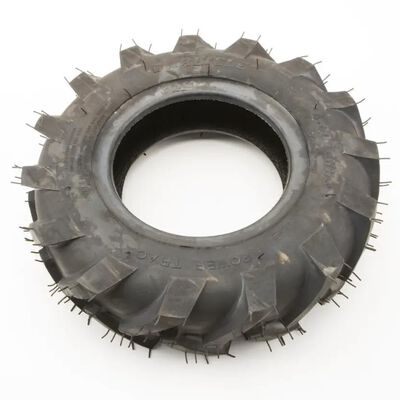
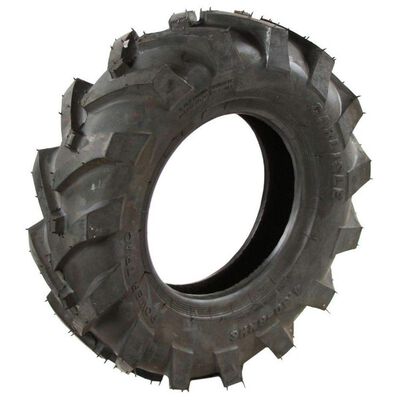
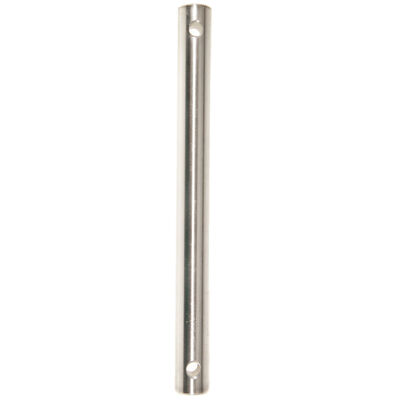
Shop Powermate replacement parts at WholeToolBox to keep your equipment performing at its best. We offer drag bars, fuel tanks, drive belts, handle assemblies & more built for long-lasting performance.
Top Causes Behind Premature Powermate Tiller Parts Failure
The top causes behind premature Powermate tiller parts failures are explained below to help identify issues early and prevent costly breakdowns.
-
Poor Maintenance: Skipping routine maintenance, such as oil changes, air filter cleaning, and spark plug replacement, increases wear and can lead to early component failure.
-
Fuel System Problems: Old or contaminated fuel can clog the carburetor, restrict fuel flow, and cause hard starting, stalling, or poor engine performance.
-
Improper Storage: Storing the tiller with fuel in the tank or in damp conditions can lead to corrosion, fuel-system deposits, and deterioration of rubber components.
-
Overloading the Tiller: Working in rocky soil, striking hidden obstacles, or forcing the machine beyond its capacity can damage tines, belts, shear pins, and transmission parts.
-
Low-Quality Replacement Parts: Using incorrect or non-OEM parts may reduce performance and increase the risk of premature wear or component failure.
-
Harsh Operating Conditions: Excessive dust, moisture, extreme temperatures, and prolonged exposure to sunlight can accelerate wear on engines, belts, cables, and other critical parts.
When to Repair vs. Replace Powermate Tiller Parts
The table below provides a clear guide to help you decide when to repair vs. replace Powermate tiller parts based on damage level and performance condition.
|
Part |
When to Repair |
When to Replace |
|
Engine |
Minor oil leaks, faulty gaskets, or ignition-related issues can be fixed. |
The engine is seized, has a cracked block, or has major internal damage. |
|
Carburetor |
Cleaning clogged jets or using a rebuild kit restores performance. |
The carburetor body is cracked, corroded, or excessively worn. |
|
Drive Belt |
Only requires tension adjustment; minimal wear is present. |
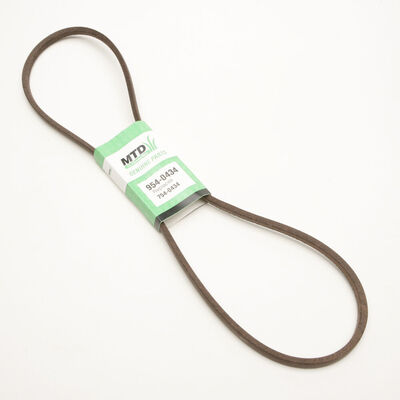
The belt is cracked, frayed, glazed, or stretched beyond adjustment limits. |
|
Tines & Shear Pins |
Broken shear pins or loose hardware can be easily replaced. |
Tines are bent, cracked, or heavily worn and no longer till effectively. |
|
Gearbox / Transmission |
Minor internal issues can be corrected via professional rebuilding. |
Internal gears are damaged, or the gearbox housing is cracked. |
|
Clutch Assembly |
Cleaning, lubrication, or cable adjustments restore proper function. |
The clutch drum, spring, or cable is broken or severely worn. |
Check out the Powermate tiller troubleshooting guide: common issues & fixes for quick repair solutions
Prevention Tips to Extend the Life of Powermate Tiller Parts
Powermate Tiller Parts prevention tips are provided below to reduce wear and extend equipment life.
-
Maintain the Fuel System: Always use clean, fresh gasoline and avoid storing old fuel in the tank for extended periods. If the tiller will not be used for several weeks, drain the fuel or add a fuel stabilizer to prevent deposits from forming in the carburetor.
-
Change Engine Oil Regularly: Engine oil reduces friction and protects internal components from wear. Check the oil level before use and replace the oil at the intervals recommended by the manufacturer to ensure smooth engine performance.
-
Keep the Air Filter Clean: A clean air filter allows proper airflow to the engine. Inspect the filter regularly, clean foam filters when needed, and replace damaged or excessively dirty paper filters.
-
Inspect the Spark Plug: Check it at the start of each season and periodically during use. Replace worn or fouled plugs and maintain the correct gap to ensure reliable starting and efficient operation.
-
Monitor Belts and Moving Parts: Inspect drive belts for cracks, fraying, or excessive wear. Lubricate cables, pivot points, and control mechanisms regularly to reduce friction and improve performance.
By following these simple maintenance practices, you can improve performance, reduce repair costs, and keep your Powermate tiller in dependable working condition for years.
Summary: Keep Your Powermate Tiller Running Strong with Proactive Maintenance
Powermate tiller parts typically fail due to a mix of fuel system issues, mechanical wear, and inconsistent maintenance practices. Most breakdowns start small but escalate quickly when filters, belts, tines, and engine components are not inspected or serviced regularly.
Key Takeaways
-
Most Powermate tiller failures begin with fuel contamination or poor storage habits
-
Drive belts, tines, and carburetors are the most frequently worn components
-
Regular oil changes and air filter cleaning reduce long-term engine stress
-
Overloading the tiller is a major cause of premature mechanical damage
-
Using correct replacement parts helps maintain performance and durability
-
Seasonal inspection prevents unexpected breakdowns during peak use
FAQs
Why do Powermate tiller belts wear out so quickly?
Tiller belts wear quickly when they are exposed to excessive tension, misalignment, or heavy soil resistance. Frequent overloading and a lack of proper belt inspection also accelerate cracking and stretching.
Can dirty fuel damage a Powermate tiller carburetor?
Yes. Old or contaminated fuel leads to varnish buildup inside the carburetor jets, restricting fuel flow and causing hard starting, stalling, or uneven engine performance.
Why won't my Powermate tiller start after storage?
This usually happens when fuel is left in the tank during storage. It can clog the carburetor, foul the spark plug, and degrade fuel lines, preventing proper ignition.
Why does my Powermate tiller lose power during operation?
Power loss is commonly caused by a clogged air filter, a dirty carburetor, a worn spark plug, or engine strain from working in overly compact or rocky soil conditions.
|
Disclaimer: This blog is for general informational purposes only. Always refer to the official Powermate manual or a qualified technician for repairs. |