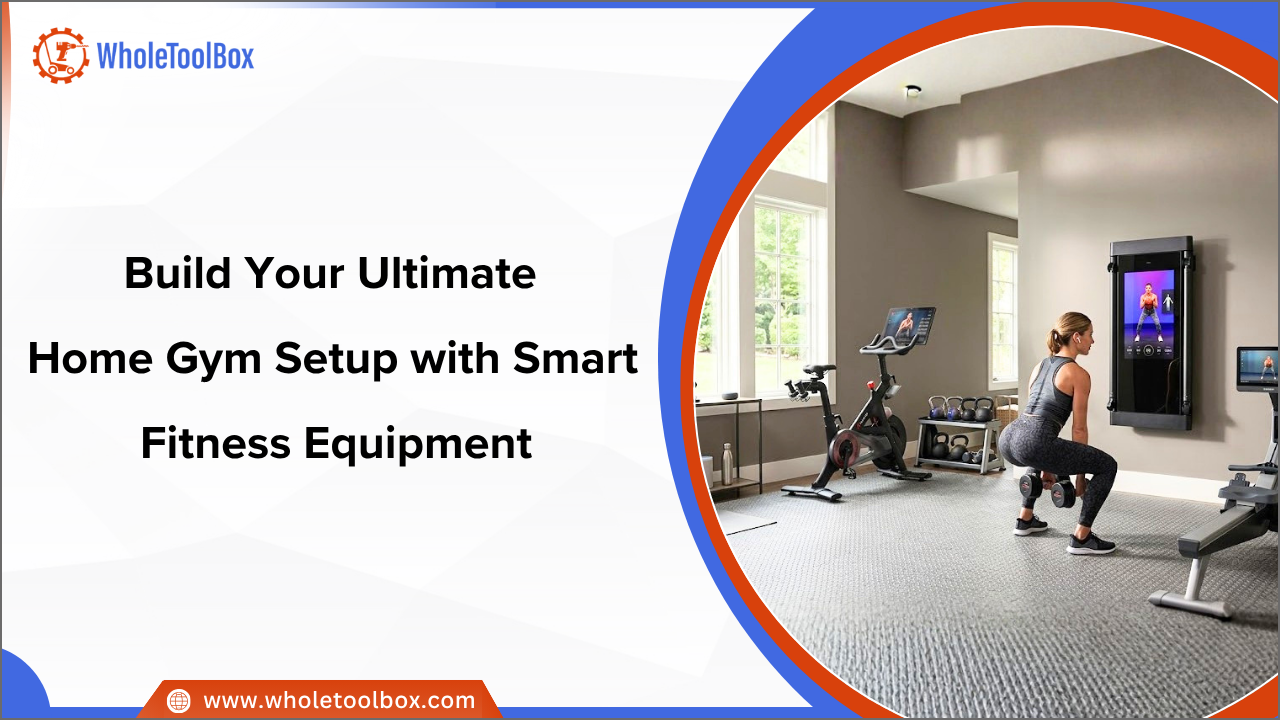
Build Your Ultimate Home Gym Setup with Smart Fitness Equipment
Have you ever purchased home gym equipment only to find it collecting dust after a few weeks? Traditional home workouts often lacked guidance, accountability, and personalization, making it difficult for users to stay motivated and achieve consistent results.
Today, smart fitness equipment is changing the way people train at home. Connected treadmills, AI-powered strength systems, interactive workout mirrors, and fitness apps now provide personalized coaching, real-time performance feedback, and structured workout plans. These technologies help users recreate the gym experience while enjoying the convenience of exercising at home.
In this blog, you'll discover the best smart home gym equipment for different fitness goals, the key features to evaluate before purchasing, how to build an effective connected fitness space, and whether investing in a home gym delivers long-term value.
Best Home Gym Equipment for Different Fitness Goals
Building a home gym works best when your equipment matches your specific fitness goal. Each type of machine supports a different kind of training, from fat loss to strength building.
1. Cardio & Weight Loss: Treadmills:
Treadmill running machines are one of the most effective tools for improving cardiovascular fitness and burning calories. Modern smart treadmills often include interactive features such as incline automation, virtual running routes, and heart-rate-based training programs.
-
Benefits: Improves heart health, burns high calories, and supports consistent indoor workouts in any weather with app-based progress tracking.
2. Low-Impact Endurance: Stationary Bikes
Stationary cycling offers an effective cardio workout with minimal stress on the joints, making it suitable for long-term consistency. Many modern bikes include resistance control systems, live classes, and performance tracking features.
-
Benefits: Builds stamina, supports fat loss, and offers low-impact exercise that is easy on the knees and suitable for beginners or long-term use.
3. Full-Body Fitness: Rowing Machines
Rowing machines provide one of the most complete workouts by combining strength and cardio in a single motion. They engage multiple muscle groups at once, including the legs, core, back, arms, and shoulders.
-
Benefits: Engages multiple muscle groups, improves cardiovascular fitness, burns calories quickly, and enhances posture and coordination.
4. Guided Workouts: Fitness Mirrors
Smart fitness mirror workout systems bring instructor-led training into your home through an interactive screen built into a mirror. They support a wide range of workout styles, including yoga, HIIT, pilates, strength training, and meditation.
-
Benefits: Offers guided training, supports yoga/HIIT/pilates, saves space, and helps maintain motivation with structured classes.
5. Strength Training: Smart Resistance Systems
Smart strength training systems are designed for controlled resistance workouts that help build muscle safely and efficiently. These systems often include digital weight adjustments, AI coaching, and form feedback.
-
Benefits: Enables personalized resistance, improves muscle building, provides form feedback, and tracks progress for consistent gains.
Check out the 10 must-have fitness equipment for home workouts and build an effective setup
Key Features to Consider Before Buying Fitness Equipment
Before investing in smart fitness equipment, evaluate the following factors to ensure a long-term, effective, and personalized training experience.
-
Resistance Type and Training Mechanics: Different resistance systems create different training experiences depending on how intensity is generated and controlled.
-
Magnetic Resistance: Common in bikes and rowing machines, it offers quiet operation, smooth movement, low maintenance, and long-term durability.
-
Digital Resistance: Uses electronic controls to adjust intensity, enabling automated progression precisely, accurate resistance changes, and more personalized workouts.
-
AI-Assisted Resistance: Advanced systems automatically adapt resistance based on performance data, improving training efficiency, optimizing intensity, reducing guesswork, and enhancing personalization.
-
Automated Workouts and Personalization: Smart fitness equipment can recommend workouts, automatically adjust intensity, track recovery, and create personalized training plans. These features simplify exercise and help users achieve consistent results.
-
Space and Installation Requirements: Before purchasing fitness equipment, evaluate your available space, ceiling height, storage options, and power needs. Compact or foldable models are ideal for smaller home gyms.
-
Workout Content and Program Variety: Choose equipment that offers a wide range of workouts, including strength, cardio, mobility, and recovery training. Regularly updated content helps maintain motivation and support long-term fitness goals.
-
App and Device Compatibility: Look for equipment that connects with fitness apps, smartwatches, heart rate monitors, and wearable devices. Seamless integration improves tracking accuracy and enhances the overall fitness experience.
-
Progress Tracking and Analytics: Built-in tracking tools monitor key metrics such as calories burned, workout frequency, heart rate, and performance improvements. These insights help users measure progress and stay motivated.
Creating an Effective Connected Home Gym Setup
Below are the key components that make a connected home gym more efficient, personalized, and results-driven.
-
Wearable & Fitness Tracker Integration: Wearable devices track heart rate, sleep, recovery, daily activity, and stress, and sync with smart gym equipment to centralize fitness data.
-
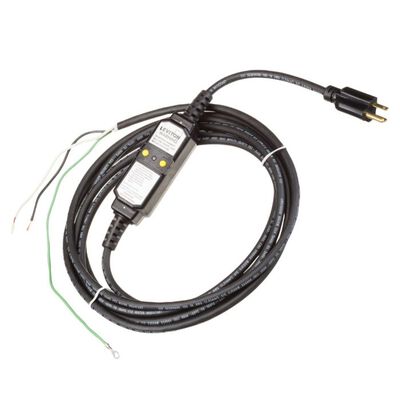
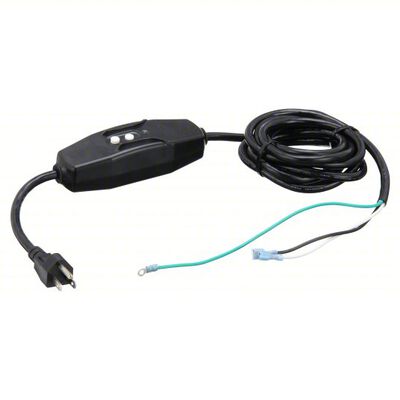
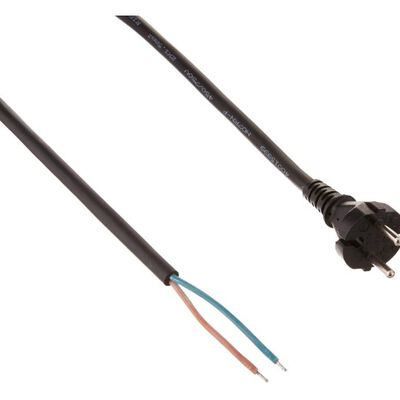
Power Cords & Cable Management: Quality power cords help ensure uninterrupted operation of connected fitness equipment, while cable management solutions keep workout spaces organized, safe, and free from tripping hazards.
-
Adaptive Coaching: Adaptive coaching systems analyze performance, goals, and progress to automatically adjust workouts and provide structured, data-driven training plans.
-
Live Classes: Platforms offer live instructor-led sessions and on-demand workout libraries with varied formats, durations, and difficulty levels.
Workout Planning & Routine Structuring
The table below outlines a sample weekly home gym routine that combines strength, cardio, mobility, and endurance training.
|
Day |
Workout Focus |
Duration |
|
Monday |
Strength Training |
45-60 Minutes |
|
Tuesday |
Cardio Training |
30-45 Minutes |
|
Wednesday |
Mobility & Recovery |
20-30 Minutes |
|
Thursday |
Strength Training |
45-60 Minutes |
|
Friday |
HIIT Workout |
25-35 Minutes |
|
Saturday |
Endurance Session |
45-60 Minutes |
|
Sunday |
Active Recovery |
20-30 Minutes |
Which Is More Cost-Effective: Smart Home Gym or Gym Membership?
Smart home gyms involve a higher upfront cost but can reduce ongoing expenses and provide greater convenience over time. Refer to the table below for a comparison between a smart home gym and a traditional gym membership.
|
Cost Factor |
Smart Home Gym |
Traditional Gym Membership |
|
Initial Cost |
Higher upfront equipment investment |
Lower initial signup or enrollment fee |
|
Monthly Fees |
May include optional app or equipment subscriptions |
Recurring monthly membership fees |
|
Travel Expenses |
Minimal or none |
Fuel, public transport, or parking costs may apply |
|
Time Commitment |
Convenient access from home |
Time may be spent commuting to and from the gym |
|
Maintenance |
Equipment cleaning and occasional servicing may be required |
Equipment maintenance is handled by the facility |
|
Workout Flexibility |
Accessible at any time |
Access depends on gym operating hours and membership terms |
|
Personalization |
Often includes digital coaching, performance tracking, and customizable programs |
May offer access to trainers, classes, and specialized equipment |
|
Equipment Variety |
Limited to purchased equipment |
Wide range of machines, weights, and amenities available |
|
Long-Term Value |
Can become more economical over time with consistent use |
May be more cost-effective for those who prefer lower upfront costs or use multiple facilities |
Find out how beginners can build a powerful strength training routine for a stronger 2026 with simple progressive plans
Summary: Building a Smart and Effective Home Gym Setup
A smart home gym combines connected fitness equipment, personalized coaching, and performance tracking to create a more engaging workout experience. By selecting equipment that aligns with your fitness goals and available space, you can build a convenient and effective training environment at home.
Key Takeaways:
-
Choose fitness equipment based on your primary goal, such as cardio, weight loss, endurance, or strength training.
-
Smart treadmills, bikes, rowing machines, mirrors, and resistance systems offer unique training benefits.
-
Features like AI coaching, automated resistance, and workout personalization improve training efficiency.
-
App connectivity and wearable integration help track performance and monitor long-term progress.
-
A well-structured workout routine supports consistency, recovery, and sustainable fitness results.
-
Smart home gyms require a higher upfront cost but differ from traditional gym memberships in convenience and long-term expenses.
Shop high-quality exercise & fitness replacement parts at WholeToolBox, including bike, elliptical, treadmill parts, cables, and power cords from trusted brands like Weslo, Freemotion, Star Trac & more.
References:
https://cedia.org/en-us/homeowners/knowledge/smart-home-gym/
FAQs
Is a smart home gym worth the investment?
For individuals who exercise consistently, smart home gyms can provide convenience, personalized coaching, and long-term cost savings compared to traditional gym memberships.
Do smart fitness machines require subscriptions?
Many connected fitness platforms offer optional or required subscription plans that provide access to workout classes, coaching features, and performance analytics.
Can beginners use AI-powered fitness equipment?
Yes. Most smart fitness systems include beginner-friendly programs and automatically adjust workout difficulty based on individual fitness levels.
How much space is needed for a home gym?
Space requirements vary depending on equipment selection. Compact setups with workout mirrors and adjustable resistance systems can fit into smaller rooms, while larger cardio machines require more space.
|
Disclaimer: This content is for informational purposes only and is not medical or professional advice. Consult a qualified professional before starting any fitness program. |