How to Diagnose and Fix Common Husky Compressor Failures
A Husky compressor is a reliable tool for home workshops, garages, and professional job sites. However, like any mechanical device, it can encounter problems such as air leaks, overheating, or pressure issues. Understanding how your compressor works, identifying common issues, and knowing the proper repair techniques can save both time and money. This blog will walk you through the most common Husky air compressor problems, how to troubleshoot them, and preventive maintenance tips to keep your unit running smoothly for years to come.
| Table of Contents: Understanding How Husky Compressors Work Common Husky Compressor Problems and Their Causes Step-by-Step Diagnosis of Compressor Failures How to Fix Common Husky Compressor Issues |
Understanding How Husky Compressors Work
Husky air compressors are designed to convert electrical energy into potential energy stored in pressurized air. Most units operate using a piston-driven mechanism, while some larger or specialty models use rotary screw technology. Here’s a brief overview of the main components:
-
Motor: The motor powers the compressor pump. It provides the energy needed to move the pistons or screws, compressing air into the tank. Without the motor, the compressor cannot function.
-
Pump/Piston Assembly: This is the heart of the compressor. Pistons or screws compress incoming air and force it into the tank. Proper functioning ensures the compressor builds pressure efficiently.
-
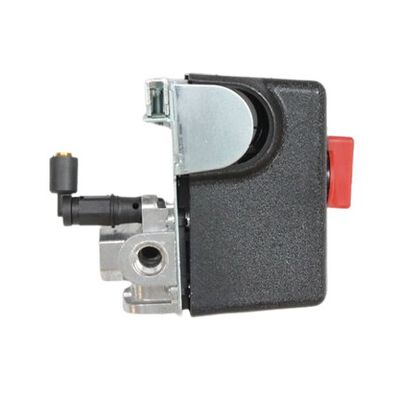
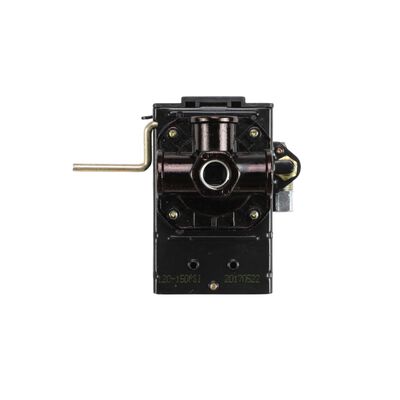
Pressure Switch: This safety component monitors tank pressure and automatically turns the motor on or off. It prevents over-pressurization and ensures the compressor only runs when needed.
-
Tank: The tank stores compressed air, providing a reserve for continuous use. It allows tools to operate without the motor running constantly, improving efficiency and reducing wear.
-
Valves and Hoses: Valves control airflow direction and pressure, while hoses deliver the compressed air to tools or attachments. Proper valves and leak-free hoses are essential for maintaining system efficiency.
Looking for reliable parts to keep your Husky air compressor running at its best? Shop high-quality Husky air compressor parts at WholeToolBox, including belts, filters, pressure switches, and regulator kits, designed for optimal performance and long-lasting reliability.
Common Husky Compressor Problems and Their Causes
Even high-quality compressors like Husky can experience issues over time. Recognizing the signs and underlying causes is the first step toward an effective fix. Here are some of the most common problems:
-
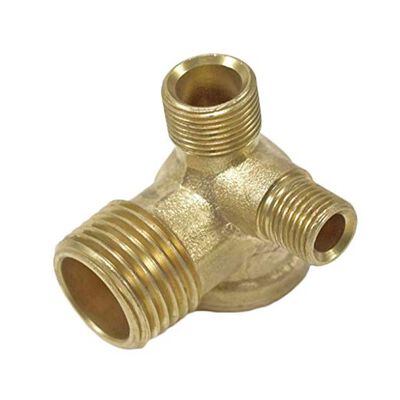
Compressor Not Building Pressure: This often occurs due to air leaks, worn piston rings, clogged intake filters, or faulty check valves. A small leak can prevent the tank from reaching maximum pressure, while mechanical wear reduces compression efficiency.
-
Overheating: Overheating can be caused by extended continuous operation, insufficient ventilation, dirty cooling fins, or low oil levels in oil-lubricated models. Faulty or worn air compressor parts like cooling fans, filters, or motor components can also contribute to heat buildup and reduced performance.
-
Air Leaks: Hissing noises or visible oil/air escape are signs of leaks, often at hose connections, fittings, gaskets, or valves. Leaks reduce system efficiency and force the compressor to work harder, leading to premature wear.
-
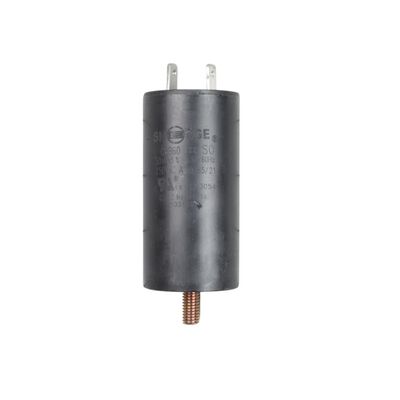
Frequent Shut-Offs: A compressor that repeatedly shuts off could indicate a tripped thermal overload, pressure switch issues, or electrical problems. It’s a safety mechanism designed to protect the motor from damage, so repeated triggers must be addressed promptly.
-
Strange Noises or Vibrations: Unusual rattling, knocking, or whining can result from loose components, worn bearings, or misaligned pistons. Ignoring these signs can escalate mechanical damage and lead to costly repairs.
Step-by-Step Diagnosis of Compressor Failures
Proper diagnosis ensures you’re not just masking the symptom but addressing the root cause. Follow these Husky air compressor troubleshooting steps to identify and fix common compressor issues:
Step 1: Inspect for Air Leaks
Turn off the compressor and release all tank pressure before inspecting. Use a mixture of water and dish soap to spray around hoses, fittings, and valves. Watch carefully for bubbles, as they indicate air leaks. Any leaking component should be properly sealed or replaced to ensure optimal performance.
Step 2: Check the Pressure Switch
Verify that the air pressure compressor switch is set to the correct cut-in and cut-out pressures. Use a multimeter to test continuity, as a faulty switch can prevent the motor from running or cause unnecessary shut-offs. Adjust or replace the switch if it is malfunctioning.
Step 3: Examine the Pump and Valves
Remove the pump cover to inspect the piston rings and valves. Check for signs of wear, cracks, or debris that might restrict airflow. Clean the components thoroughly and replace any worn parts to maintain proper compression efficiency.
Step 4: Monitor Motor and Electrical Components
Inspect the motor and electrical system for signs of overheating, burnt wires, or loose connections. Confirm that the power supply meets the compressor’s voltage requirements. Listen for abnormal sounds such as grinding or squealing, which may indicate bearing or motor issues needing attention.
Step 5: Test the Tank and Safety Valve
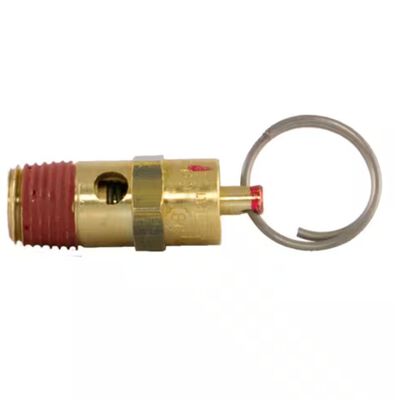
Check that the tank’s safety valve operates correctly, opening at the specified pressure to prevent over-pressurization. Drain the tank regularly to remove moisture buildup, which can cause rust or corrosion and reduce the tank’s longevity.
How to Fix Common Husky Compressor Issues
Addressing Husky air compressor issues promptly can prevent further damage and extend the life of your equipment. Here are common issues and the recommended fixes for each:
|
Issue |
Fixes |
|
Compressor Not Building Pressure |
|
|
Overheating |
|
|
Air Leaks |
|
|
Frequent Shut-Offs |
|
|
Noises and Vibrations |
|
Check out 9 common Husky Tools air compressor parts that wear out first and inspect or replace them regularly to prevent breakdowns and extend compressor life
Conclusion: Preventive Maintenance for Long-Term Compressor Performance
Regular maintenance and timely troubleshooting are essential to keep your Husky compressor running efficiently. By understanding common issues and knowing how to fix them, you can prevent costly repairs and extend the life of your unit. Following proper safety procedures during inspections ensures both performance and operator safety. Consistent care will keep your compressor reliable for years to come.
Key Takeaways
-
Inspect hoses, valves, and fittings regularly to prevent air leaks.
-
Monitor the pressure switch and electrical components for proper operation.
-
Clean and maintain the pump, piston rings, and air intake filters.
-
Ensure proper ventilation and oil levels to avoid overheating.
-
Address strange noises or vibrations promptly to prevent mechanical damage.
-
Follow manufacturer-recommended service intervals for optimal compressor longevity.
FAQs
Why is my Husky compressor not building pressure?
It could be due to air leaks, worn piston rings, or a faulty check valve. Inspect hoses, valves, and the pump to identify the source.
What causes a Husky air compressor to overheat?
Overheating may result from extended operation, poor ventilation, low oil levels, or an electrical issue affecting the motor.
How do you fix an air leak in a Husky compressor?
Identify the leak using a soap and water solution. Replace cracked hoses, worn gaskets, or faulty fittings, and apply Teflon tape to threaded connections.
Why does my Husky compressor keep shutting off?
Frequent shut-offs are often caused by a tripped thermal overload, a faulty pressure switch, or using the unit beyond its capacity.
How often should a Husky compressor be serviced?
Service the unit according to the manufacturer’s guidelines, usually every 3–6 months for routine checks and annual professional maintenance for oil-lubricated models.
| Disclaimer: This blog is for informational purposes only. Always follow Husky’s official guidelines and safety instructions when repairing or maintaining your compressor. |