Smart Gardening for Homeowners: How Technology Is Transforming Lawn and Garden Care
Tired of spending hours watering, mowing, and tending your garden? Smart gardening technology is changing the way homeowners care for their lawns. With automated irrigation, robotic mowers, and AI-driven plant monitoring, gardens practically take care of themselves.
These tools save time, reduce water waste, and improve plant health, all while making gardening accessible and eco-friendly. In this blog, we explore what smart gardening is, the latest technologies, how to select the right tools, and the main advantages it brings to homeowners.
What Is Smart Gardening and Its Importance for Homeowners
Smart gardening refers to the integration of sensors, smart devices, and automated systems in residential landscapes to optimize plant care. Unlike traditional gardening, which relies on manual monitoring, smart gardens use technology to make data-driven decisions. Below are the key features of smart gardening:
-
Automated Watering: Soil moisture sensors and smart irrigation controllers monitor water levels and adjust watering schedules automatically. This prevents overwatering, conserves water, and ensures plants get the right hydration at the right time.
-
Precision Fertilization: Fertilizer delivery can be automated based on plant type and soil conditions. Smart systems provide nutrients in precise amounts, promoting faster growth, healthier plants, and reduced chemical waste.
-
Robotic Lawn Care: Autonomous lawn mowers navigate lawns to provide consistent cutting with minimal effort. They save time, reduce manual labor, and keep lawns looking neat and uniform all season.
-
Remote Monitoring: Apps and voice assistants allow gardeners to control systems from smartphones, tablets, or smart speakers.
Example: RainMachine Touch HD is a smart irrigation controller that lets homeowners manage watering schedules from a smartphone or tablet. It also integrates with voice assistants like Alexa and Siri, making remote garden management easy and convenient.
Key Advantages of Smart Gardening: Below are the main advantages of smart gardening, highlighting how technology simplifies plant care & boosts efficiency.
-
Water Conservation: Poorly managed irrigation can waste tens of thousands of gallons of water annually per household. Smart controllers and soil sensors can reduce water use by 20 to 50%.
-
Healthier Plants: Smart systems ensure plants receive the right amount of water and nutrients, which can increase yields by 30% and speed up growth threefold in controlled setups like vertical or hydroponic gardens.
-
Labor Savings: Robotic mowers and automated irrigation systems reduce the time and effort needed for routine lawn and garden maintenance.
-
Accessibility: With voice commands, mobile apps, and remote monitoring, smart gardening makes plant care accessible to elderly or mobility-limited homeowners.
-
Environmental Benefits: By minimizing water waste, reducing fertilizer runoff, and cutting emissions from gas-powered equipment, smart gardening supports sustainable and eco-friendly practices.
The Environmental Protection Agency (EPA) notes that 50 to 70% of residential water usage during dry months goes to irrigation, and much of it is wasted. Smart gardening technologies directly address this issue, making them an essential tool for modern homeowners seeking efficiency, convenience, and eco-friendly solutions.
Advanced Technologies Transforming Lawn and Garden Care
Smart gardening relies on a range of technologies that make plant care more efficient, precise, and data-driven. These tools help homeowners monitor environmental conditions, automate routine tasks, and optimize plant health. Below are some of the most impactful technologies used in modern lawn and garden care.
Soil, Light, pH, and Nutrient Sensors: Environmental sensors collect real-time data about soil and plant conditions. Soil moisture sensors measure the water level around plant roots and help determine when irrigation is needed. pH and nutrient sensors monitor soil chemistry to maintain balanced growing conditions. Light sensors track sunlight intensity and exposure, which is especially useful in greenhouses or indoor gardens.
-
Pros: These sensors provide accurate information about garden conditions, allowing homeowners to make better decisions about watering, fertilization, and plant placement. They help improve plant health while reducing unnecessary water and nutrient use.
-
Cons: Sensors require occasional calibration to maintain accuracy. They may also degrade over time due to constant exposure to soil and weather conditions, and initial installation costs can be higher than traditional gardening tools.
Smart Irrigation Controllers and Systems: Smart irrigation controllers replace traditional timer-based sprinkler systems. These Wi-Fi-enabled devices automatically adjust watering schedules using weather data, soil moisture readings, and plant requirements. Homeowners can monitor and control irrigation zones through mobile applications.
-
Pros: Smart irrigation systems improve water efficiency by preventing unnecessary watering during rainy conditions. They also provide remote control and scheduling, making lawn care more convenient and efficient.
-
Cons: These systems rely on stable internet connectivity and may require some technical setup during installation. Cloud-based services may also raise privacy concerns for some users.
Robotic Lawn Mowers: Robotic lawn mowers are automated machines that cut grass with minimal human involvement. They operate using rechargeable batteries and navigate lawns through boundary wires or GPS-based guidance. The mower trims grass continuously and returns to a charging station when the battery runs low.
-
Pros: Robotic mowers reduce the time and effort required for lawn maintenance. They operate quietly and maintain a consistently trimmed lawn through regular automated mowing.
-
Cons: The upfront investment can be relatively high. Installation may require boundary setup, and batteries typically need replacement after extended use.
AI and Vision-Based Plant Health Monitoring: AI-powered monitoring systems use cameras and image recognition to analyze plant health. Images of plants are processed by artificial intelligence models that identify early signs of pests, diseases, nutrient deficiencies, or plant stress. Mobile apps then provide recommendations for treatment and care.
-
Pros: Early detection helps prevent serious plant damage and reduces crop loss. These systems can also minimize the need for chemical treatments by identifying problems before they spread.
-
Cons: Since the technology is still developing, some systems may produce incorrect alerts. Accurate results also depend on clear images and proper lighting conditions.
Automated Fertilization (Fertigation): Fertigation systems combine irrigation and fertilizer delivery into a single automated process. Water-soluble nutrients are mixed into irrigation lines and delivered directly to plant roots at scheduled intervals.
-
Pros: This method ensures plants receive nutrients consistently and efficiently. It improves plant growth while reducing fertilizer waste and manual labor.
-
Cons: Fertigation systems add complexity to irrigation setups and require regular monitoring of nutrient supplies. They may also increase system installation and maintenance costs.
Vertical Gardening Technology: Vertical gardening systems allow plants to grow in stacked structures rather than traditional ground beds. Many systems use aeroponic techniques where plants grow without soil and receive nutrients through circulating water. Indoor systems often use LED grow lights to maintain optimal growing conditions.
-
Pros: Vertical gardens save space and are ideal for small homes or urban environments. They use water efficiently and can produce higher yields while enabling year-round plant cultivation.
-
Cons: These systems typically require a higher initial investment and regular monitoring of pumps, lighting, and nutrient levels.
Companion Apps and Smart Energy Sources: Most smart gardening devices are connected to mobile apps that allow homeowners to monitor garden conditions, receive alerts, and control systems remotely. Many devices also integrate with voice assistants. Some systems use solar panels or rechargeable batteries to support energy-efficient operation.
-
Pros: Mobile apps provide convenient monitoring and control from anywhere. Solar-powered devices can reduce energy consumption and support environmentally friendly gardening.
-
Cons: These systems depend on reliable connectivity and regular software updates. Compatibility issues may also occur when using devices from different manufacturers.
Choosing the Right Smart Gardening Tools for Your Home Garden
Selecting the right smart gardening tools can make a big difference in the efficiency, health, and productivity of your garden. Use the following checklist to make sure you choose the right tools and set up your garden efficiently:
|
Selection Step |
Details |
|
Map your garden zones |
Identify different areas that need watering, lighting, or mowing. |
|
List desired automations |
Decide which tasks you want automated, such as irrigation, fertilizing, or lighting. |
|
Set a realistic budget |
Determine how much you are willing to spend on devices and installation. |
|
Verify Wi-Fi or power availability |
Ensure strong Wi-Fi coverage or access to power for all devices. |
|
Compare features, certifications, and rebates |
Check device features, safety certifications, and available discounts or rebates. |
|
Confirm support and warranty |
Make sure the product has reliable customer support and a warranty period. |
Find out how to reseed your lawn in fall: step-by-step tips for a healthier yard, boost grass growth, repair bare spots, and prepare your lawn for a lush spring
Key Benefits of Smart Garden Technology for Homeowners
Smart garden technology helps homeowners automate and optimize plant care, saving time, resources, and effort while promoting healthier gardens. Below are the key benefits of smart garden technology for homeowners:
-
Water Efficiency: Smart watering systems can reduce water use by 20 to 50%, reducing waste and lowering utility bills. Vertical and hydroponic setups can achieve even greater savings, using up to 98% less water than traditional soil gardening.
-
Improved Plant Health: Precision watering, nutrient delivery, and AI-based disease detection lead to healthier, more productive gardens. Home vertical gardens can achieve 30% higher yields and grow crops up to three times faster.
-
Time and Labor Savings: Robotic mowers, automated sprinklers, and app-controlled systems free homeowners from repetitive garden chores. A robotic mower can save 1 to 3 hours of work per week.
-
Cost Efficiency and ROI: Although smart gardening tools have upfront costs, many systems pay for themselves through water savings, reduced chemical use, and increased crop yield. Rebates and incentives further improve returns.
-
Accessibility: Automation, app control, and voice commands enable elderly or mobility-limited gardeners to participate fully in gardening, ensuring no one is excluded from the benefits of a thriving garden.
-
Environmental Impact: Smart systems reduce water waste, minimize chemical runoff, and lower carbon emissions compared with traditional practices, making gardening sustainable and eco-conscious.
Summary: The Future of Smart Gardening for Modern Homes
Smart gardening uses technology like sensors, automation, and AI to make plant care easier. It helps save water, reduce waste, and keep plants healthy. Automated watering and fertilizing make maintaining gardens simple and less time-consuming. Overall, smart gardening saves effort, resources, and supports eco-friendly practices.
Key Takeaways:
-
Smart irrigation and moisture sensors can reduce water use by 20 to 50%.
-
Automated fertilization and precision nutrient delivery promote faster, healthier plant growth.
-
Robotic lawn mowers and automated systems save homeowners hours of labor each week.
-
Remote monitoring and voice-controlled apps increase accessibility for all users.
-
Vertical and hydroponic gardening setups enable higher yields in small spaces.
-
Smart gardening supports sustainability by reducing water waste, chemical runoff, and emissions.
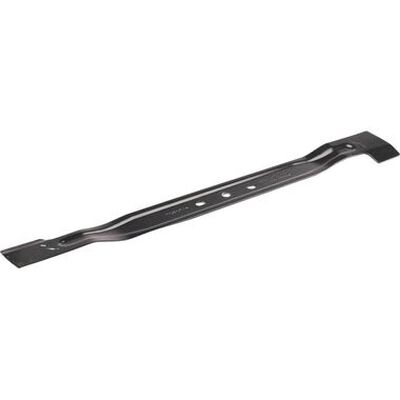
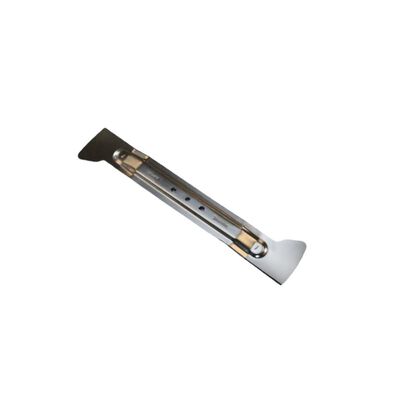
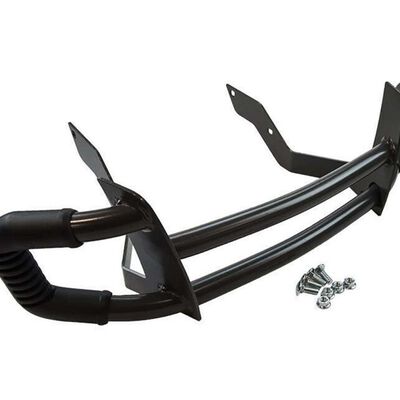
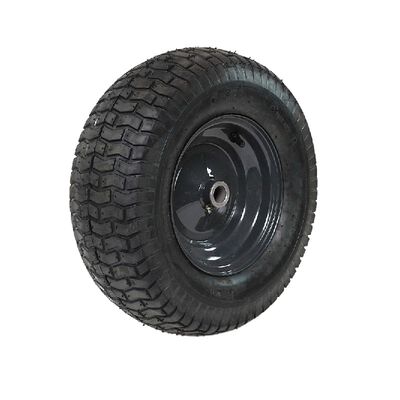
Shop high-quality lawn equipment parts at WholeToolBox. Find durable brake cables, choke controls, clutch parts, and control levers from trusted brands like Makita, Honda, Poulan, and more, built to keep your lawn equipment running reliably.
References:
https://www.ap.org/news-highlights/spotlights/2025/how-to-use-tech-in-the-garden-and-still-keep-your-serenity/
https://cleanla.lacounty.gov/smartgardening/
FAQs
What is the 3-hour gardening rule?
The 3-hour gardening rule advises limiting gardening tasks to about three hours a day to prevent fatigue, stay safe, and care for plants efficiently.
Are robotic lawn mowers safe for kids and pets?
Most models include safety sensors that stop blades when obstacles are detected, but supervision is advised for the best safety.
What is the best lawn care routine?
A balanced lawn care routine includes regular mowing, smart irrigation based on soil moisture, precision fertilization, seasonal aeration, and pest monitoring. Automated tools like robotic mowers and smart sprinklers can make this routine easier, saving time while keeping grass healthy and green.
| Disclaimer: This article is intended for informational purposes only. Garden results may differ depending on tools, conditions, and usage. Always seek expert advice before implementing smart gardening solutions. |