7 Common Weslo Treadmill Issues and How to Fix Them
Weslo treadmills are known for being reliable, compact, and user-friendly, making them suitable for home workouts. However, like any piece of fitness equipment, they are susceptible to wear and tear over time. Understanding common issues and how to troubleshoot them can help extend your treadmill's lifespan and ensure a safe, smooth workout experience. This article delves into the most frequent problems faced by Weslo treadmill owners, solutions for these issues, and tips for preventive maintenance.
Why Weslo Treadmills May Develop Performance Issues Over Time
Treadmills, including Weslo models, are mechanical and electronic devices that endure frequent stress during use. The following factors can contribute to performance issues:
-
Frequent Usage: Heavy daily use accelerates wear on belts, motors, and electronic components.
-
Improper Maintenance: Lack of cleaning, lubrication, or inspection can lead to increased friction, overheating, and component failure.
-
Environmental Factors: Exposure to dust, humidity, or uneven flooring can affect treadmill performance.
-
Age of the Treadmill: Components such as the running belt, motor, and incline system have a finite lifespan and may fail after years of use.
Being proactive about maintenance and early detection of problems is key to preventing more severe malfunctions that could require expensive repairs.
Looking for reliable exercise and fitness equipment parts to keep your machines performing at their best? Shop high-quality fitness equipment parts at competitive prices, where you can find durable bench parts, bike parts, elliptical parts, treadmill parts, and strength system parts for dependable performance.
7 Common Weslo Treadmill Issues and How to Fix Them
Here are the most frequently reported issues with Weslo treadmills, along with practical solutions:
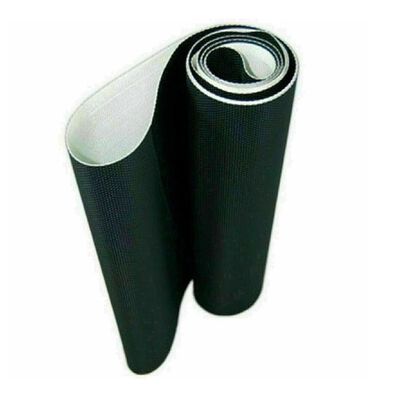
Treadmill Belt Slipping During Use
The treadmill belt moves unevenly or slides backward while walking or running. You may feel the belt loosening under your feet, which makes workouts unsafe and disrupts your pace.
-
Causes: A treadmill belt may slip due to a loose or misaligned belt. Over time, the belt itself can wear out, reducing its grip and stability. Insufficient lubrication between the belt and deck can also cause slipping, as friction is required to maintain smooth operation.
-
Solutions: Tighten the rear bolts to the center and tension the belt properly. Apply a silicone-based lubricant to reduce friction. Replace worn belts or decks with authentic Weslo treadmill replacement parts for optimal performance.
Treadmill Not Turning On
Pressing the power button has no effect. The console screen remains blank, and the treadmill does not respond at all, preventing any use.
-
Causes: This issue can arise from a faulty power cord or plug, a blown circuit breaker, or a malfunctioning console or control board.
-
Solutions: Check the outlet and circuit breaker, inspect the power cord, and ensure the safety key is inserted. For persistent issues, consider professional Weslo treadmill repair using genuine parts.
Treadmill Belt Stops Suddenly
The belt unexpectedly stops moving during your workout, even while you are running or walking. This can interrupt your exercise and create a safety hazard.
-
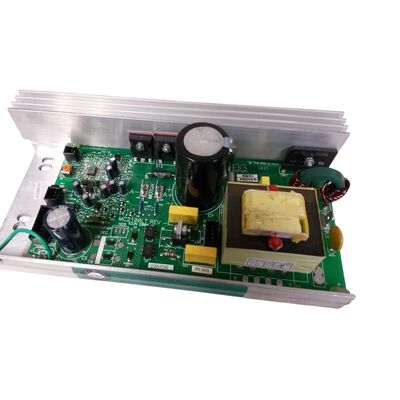
Causes: Sudden stoppages are often caused by an overheating motor, debris around rollers, or a faulty motor controller.
-
Solutions: Clear debris, ensure proper motor ventilation, lubricate regularly, and replace the motor/controller if needed. This is a common reason why some treadmills have stopped working during sessions.
Console Display Not Working
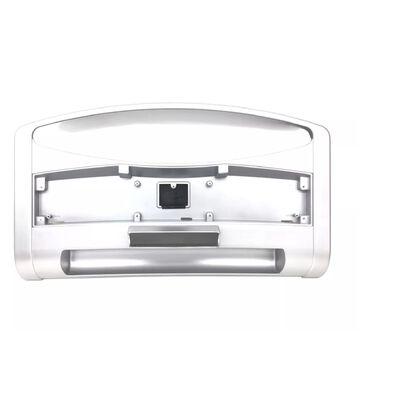
The console fails to display speed, distance, time, or incline. This makes it difficult to monitor your workout progress or adjust settings accurately.
-
Causes: This problem can result from loose wiring, a malfunctioning console, or faulty sensors.
-
Solutions: Reconnect and secure wiring, test sensors, and replace defective consoles with authentic Weslo treadmill parts replacement if necessary.
Unusual Noise During Operation
You hear squeaking, grinding, or rattling sounds when the treadmill is running. These noises indicate that mechanical components are misaligned or worn.
-
Causes: Unusual noises can occur if the belt is dry or misaligned. Loose bolts or screws may create rattling sounds, and worn bearings or rollers can generate grinding noises.
-
Solutions: Lubricate the belt, tighten bolts, and replace worn rollers or bearings with genuine Weslo treadmill parts.
Incline Function Not Responding
Adjusting the incline does not raise or lower the deck. The treadmill stays at the same angle, reducing workout intensity and preventing incline training.
-
Causes: The incline may fail due to a faulty motor, damaged gears, or a console malfunction.
-
Solutions: Inspect the motor and gears, and replace malfunctioning components with authentic Weslo treadmill parts.
Running Belt Misalignment
The belt drifts to one side during operation, rubbing against the treadmill frame. This can cause uneven wear on the belt and make running uncomfortable or unsafe.
-
Causes: Misalignment can result from improper belt tension, uneven treadmill placement, or a worn belt or deck.
-
Solutions: Adjust rear bolts, level the treadmill, and replace worn belts or decks with genuine Weslo treadmill replacement parts.
Find out how beginners can build a powerful strength training routine for a stronger 2026, a step-by-step guide to lifting, recovery, and progression for lasting results
Preventive Maintenance Tips to Keep Your Weslo Treadmill Running Smoothly
Regular maintenance is essential to keep your Weslo treadmill performing efficiently and to extend its lifespan. By following the simple care practices below, you can prevent common mechanical issues and ensure a safe, smooth workout experience.
-
Clean Regularly: Wipe down the console, handrails, and running belt after each workout to remove dust, sweat, and debris. This protects electronics, prevents buildup, and keeps the treadmill looking and running like new.
-
Lubricate Belt: Apply a recommended treadmill lubricant every 2–3 months, or more often for heavy use. Proper lubrication reduces friction, prevents excessive wear, and ensures smooth belt movement.
-
Check Alignment & Tension: Make sure the running belt stays centered on the deck. A loose or misaligned belt can cause uneven wear and affect performance. Adjust according to the manufacturer’s guidelines as needed.
-
Tighten Hardware: Vibrations from regular use can loosen bolts and screws. Periodically check and tighten all frame, handlebars, and motor housing hardware to maintain stability and safety.
-
Use Surge Protection: Protect your treadmill from power surges and voltage fluctuations by plugging it into a quality surge protector. This safeguards the console and motor from potential electrical damage.
By following these simple steps, you can prevent costly repairs, maintain optimal performance, and keep your treadmill running smoothly for years.
When to Repair or Replace Weslo Treadmill Parts
Knowing when to repair or replace treadmill components is essential for maintaining performance and safety. Refer to the table below for guidance on common Weslo treadmill parts and recommended actions.
|
Part |
When to Repair |
When to Replace |
|
Running Belt |
Adjust alignment or tighten if slipping |
Replace if frayed, worn, or damaged to prevent motor or deck damage |
|
Motor |
Lubricate and improve ventilation for minor issues |
Replace if it fails to run consistently, overheats, or shows severe wear |
|
Console |
Reconnect wiring or reset sensors to restore function |
Replace if the display, buttons, or controls are unresponsive |
|
Incline Motor / Gears |
Test motor operation and realign gears for minor malfunctions |
Replace if the incline does not respond or the gears are stripped/damaged |
|
Rollers / Bearings |
Lubricate to reduce noise or minor friction |
Replace if worn, causing grinding, or uneven belt movement |
|
Bolts & Hardware |
Tighten loose screws or bolts to maintain stability |
Replace if stripped, broken, or unable to hold components securely |
|
Safety Key |
Reinsert or clean contacts to restore functionality |
Replace if broken or worn, as a faulty key prevents powering on |
Summary: Fixing Common Weslo Treadmill Issues for Smooth and Reliable Workouts
Regular maintenance and timely repairs are essential to keep your Weslo treadmill running efficiently and safely. Understanding common issues, from belt slipping to incline malfunctions, helps prevent unexpected breakdowns. Using genuine Weslo replacement parts ensures long-lasting performance and reliable workouts. By following the Weslo treadmill troubleshooting tips and preventive practices outlined above, you can enjoy consistent, safe, and effective home exercise sessions.
Key Takeaways:
-
Always check belt tension and alignment to prevent slipping or misalignment.
-
Regular lubrication of the running belt and rollers reduces friction and wear.
-
Inspect electrical components and the safety key to avoid startup failures.
-
Address unusual noises promptly by tightening bolts and replacing worn parts.
-
Test incline motors and gears regularly to maintain workout versatility.
-
Schedule routine cleaning and preventive maintenance to extend treadmill lifespan.
FAQs
Why is my Weslo treadmill belt slipping during workouts?
A slipping belt usually indicates loose tension, lack of lubrication, or worn rollers. Adjust the tension and lubricate the deck to fix the issue.
What should I do if my Weslo treadmill won’t start?
Check the safety key, power cord, outlet, and fuse. If electrical components are damaged, consider Weslo treadmill repair or part replacement.
How do you fix a Weslo treadmill belt that keeps stopping?
Ensure the motor isn’t overheating, clean the deck, lubricate the belt, and inspect the motor control board if the problem persists.
Why is my Weslo treadmill making unusual noises while running?
Noises often result from a dry belt, loose bolts, or worn rollers. Lubricate and tighten components, and replace worn parts as needed.
How can I maintain my Weslo treadmill to prevent common issues?
Regular cleaning, lubrication, belt alignment, and inspection of electrical and mechanical components will help prevent most problems. Use genuine Weslo treadmill replacement parts for long-lasting results.
| Disclaimer: This article is for informational purposes only. Always follow Weslo’s safety guidelines and use genuine replacement parts. |