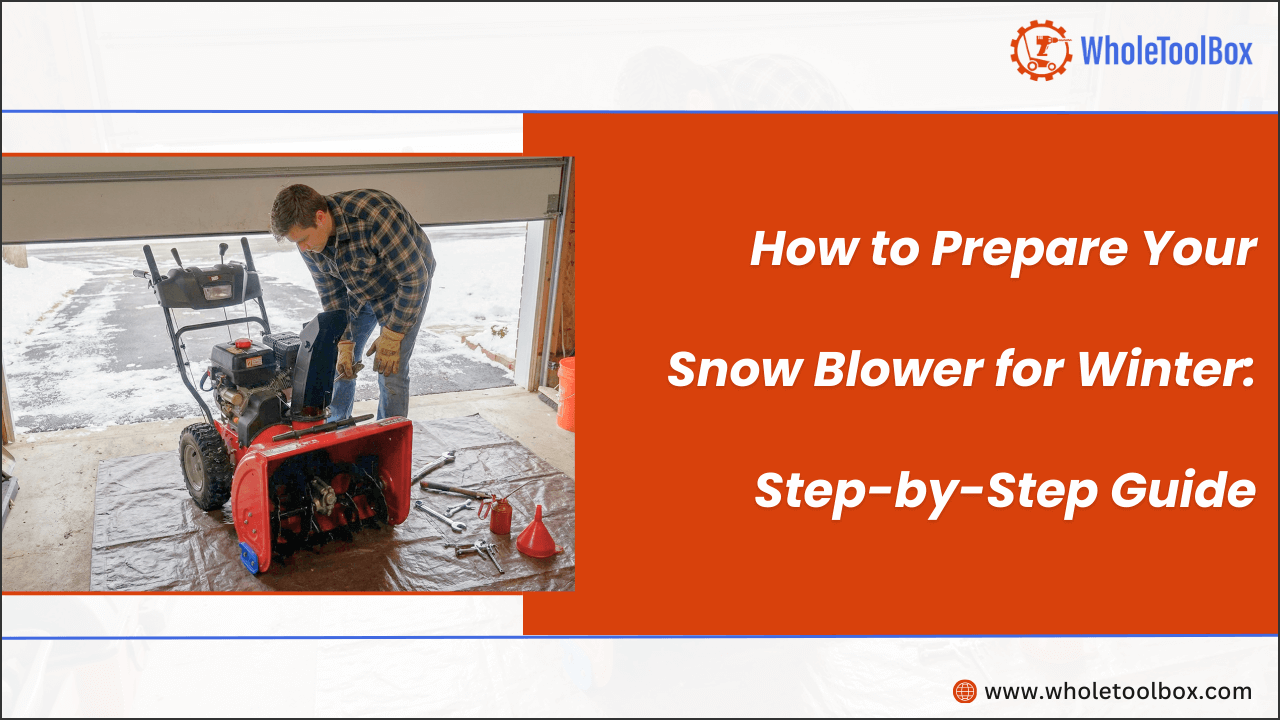
How to Prepare Your Snow Blower for Winter: Step-by-Step Guide
Winter weather can arrive unexpectedly, and a poorly prepared snow blower often fails when it is needed most. Proper pre-winter preparation ensures your machine starts reliably, clears snow efficiently, and operates safely in harsh cold conditions. From inspecting critical components to servicing the engine, taking the time to prepare your snow blower before the first snowfall helps prevent breakdowns, costly repairs, and unnecessary downtime during peak winter months.
This step-by-step guide walks you through essential snow blower preparation tasks, including inspection, engine servicing, lubrication, and final safety checks. Whether you use a snow blower for residential driveways or demanding winter workloads, following these best practices will help you maintain consistent performance, extend equipment lifespan, and achieve stress-free snow removal throughout the season.
Why Pre-Winter Snow Blower Preparation Is Essential for Reliable Performance
Snow blowers are exposed to extreme winter conditions that can quickly reveal overlooked maintenance issues. Preparing a snow blower for winter ensures consistent performance, improved safety, and fewer disruptions during heavy snowfall. Proper pre-winter preparation also sets the foundation for effective snow blower maintenance after winter, making it easier to store and restart your machine in the following season.
Key Reasons to Prepare Your Snow Blower Before Winter
Below are the key reasons to prepare your snow blower before the winter season, ensuring reliable performance, safety, and long-term durability.
-
Reliable cold-weather starting: Fresh fuel, clean spark components, and properly rated oil significantly reduce hard starts and engine strain in freezing temperatures.
-
Improved operating efficiency: Clean, well-calibrated systems enhance snow-throwing distance, discharge consistency, and overall productivity.
-
Lower risk of in-season breakdowns: Inspecting belts, shear pins, and wear components early prevents costly and inconvenient mid-storm failures.
-
Extended equipment lifespan: Routine maintenance protects critical systems such as the engine, auger, impeller, and drivetrain from premature wear.
-
Enhanced operational safety: Fully functional controls, guards, and emergency shut-off mechanisms reduce the likelihood of accidents during operation.
Pre-winter preparation is not just preventative maintenance; it is a critical step in ensuring safe, reliable, and uninterrupted snow removal during the worst winter weather.
WholeToolBox provides snow blower parts and accessories, including snow cab kits, wiring harnesses, and chute deflectors, engineered to fit trusted brands such as MTD, Toro, and Murray.
Step-by-Step Snow Blower Inspection Checklist Before the First Snowfall
Before performing any servicing, start with a thorough inspection. This helps identify worn or damaged parts early, ensuring your snow blower operates safely and efficiently throughout the winter.
Auger and Impeller
The auger scoops up snow while the impeller throws it out of the chute. Together, they are the core of the snow blower’s clearing mechanism.
What to check: Look for bent, cracked, or chipped auger blades, ensure the impeller spins freely without obstruction, and verify all shear pins are intact and properly installed.
Belts and Control Cables
Belts transfer engine power to the auger and drive system, while control cables connect your handles and levers to the drive, throttle, and chute controls.
What to check: Inspect belts for wear or cracking and confirm proper tension. Test all control cables for smooth, responsive movement, lubricating or adjusting any that feel stiff.
Tires and Tracks
Wheeled models rely on properly inflated tires for traction, and tracked models use rubber or composite tracks for grip. Poor traction affects maneuverability and increases operator effort, while misaligned or worn tracks reduce snow-clearing efficiency.
What to check: For tires, verify pressure and inspect for cracks or dry rot. For tracks, check alignment, tension, and overall wear, adjusting or replacing as needed.
Fasteners, Skid Shoes, and Scraper Bar
Bolts, nuts, and screws hold the snow blower together, while skid shoes lift the auger housing, and the scraper bar clears snow from surfaces.
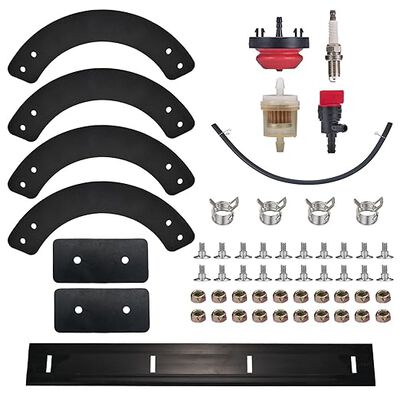
What to check: Tighten loose fasteners and replace corroded ones. Inspect skid shoes and scraper bars for wear and adjust or replace if necessary.
Spark Plug
The spark plug ignites the engine’s fuel-air mixture. A worn or dirty spark plug can cause hard starts, misfires, or poor engine performance in cold weather.
What to check: Remove and inspect the spark plug for carbon buildup, cracks, or worn electrodes. Clean or replace as recommended, and ensure proper gap before reinstalling.
Chute and Deflector
The chute directs snow, and the deflector controls its height and angle. A blocked or stiff chute reduces efficiency and creates safety hazards.
What to check: Rotate the chute and tilt the deflector to ensure smooth operation. Remove debris, ice, or snow buildup, and lubricate pivot points if movement is stiff.
General Cleanliness & Lubrication
Accumulated debris and lack of lubrication can lead to corrosion, wear, and reduced performance.
What to check: Clean under the auger housing, around belts, and on moving parts. Lubricate auger bearings, chute pivots, and other manufacturer-specified locations. Inspect for rust or corrosion and treat as needed.
How to Service Your Snow Blower Engine for Cold Weather Starts
Cold weather puts extra stress on snow blower engines, making proper servicing essential for reliable starts and smooth operation throughout the winter season. Neglecting these steps can lead to difficult starts, increased wear, and costly repairs.
-
Use Winter-Grade Engine Oil: Cold thickens standard oil, making engines harder to start. Replacing it with low-viscosity winter oil ensures better lubrication, reduces friction, and protects engine components during cold starts.
-
Refresh Fuel and Add Stabilizer: Stale or moisture-contaminated fuel can clog the carburetor and affect engine performance. Drain old fuel, refill with fresh gasoline, and add a fuel stabilizer to prevent fuel degradation and maintain smooth operation.
-
Check the Spark Plug: The spark plug is critical for consistent ignition. Inspect for carbon buildup, corrosion, or worn electrodes, and ensure the gap meets manufacturer specifications. A clean, correctly gapped spark plug improves starting reliability in low temperatures.
-
Maintain Electric Start/Battery: For electric-start or battery-powered models, check that connections are clean, corrosion-free, and secure. Fully charge the battery, as cold weather reduces output, preventing frustrating start failures.
-
Clean or Replace the Air Filter: A clean air filter ensures proper airflow and maintains the correct air-fuel mixture. This improves combustion efficiency, engine power, and fuel economy, helping the engine run smoothly even in freezing conditions.
By following these steps, your snow blower engine will start easily, run efficiently, and remain dependable throughout the snow season.
Explore high-tech snow blowers: from single-stage to three-stage systems, for faster and easier winter cleanup.
Proper Lubrication and Adjustment to Ensure Smooth Snow Blower Operation
Lubrication and precise adjustments are essential for reliable snow blower performance, especially in freezing conditions. Cold temperatures increase friction and can magnify even minor mechanical issues, leading to wear, binding, or operational failure.
-
Auger and Bearing Lubrication: Apply manufacturer-recommended grease to all bearings and moving parts. Proper lubrication prevents seizure, reduces wear under heavy snow loads, and ensures the auger operates smoothly.
-
Chute Rotation and Deflector Mechanisms: Lubricate the chute rotation and deflector components to maintain smooth directional control. This reduces ice buildup and prevents stiff or jerky movement during operation.
-
Control Cable Lubrication: Well-lubricated control cables keep the throttle, drive, and auger engagement responsive. This prevents stiffness, delayed engagement, or premature cable wear in cold temperatures.
-
Skid Shoe Height Adjustment: Correctly adjusted skid shoes maintain the proper distance between the auger housing and the ground. This protects both the machine and the surface while optimizing snow-clearing efficiency.
-
Scraper Bar Alignment: Ensure the scraper bar sits flush against hard surfaces. Proper alignment removes snow effectively without causing unnecessary wear to the bar or the pavement.
-
Drive Cable Tension: Check and adjust drive cable tension. Proper tension prevents slippage, ensures smooth engagement, and avoids unintended movement during operation.
Regular lubrication and precise adjustments not only extend the life of critical components but also enhance overall efficiency, reliability, and operator control, making snow clearing easier and safer throughout the winter.
-
unctionality: Test all safety features, including operator presence controls. The auger should disengage immediately when the control is released, preventing accidental injury.
-
Fuel and Oil Leak Detection: Check for any signs of fuel or oil leaks. Even minor leaks can worsen in cold weather, potentially causing engine issues or safety hazards, so address them promptly.
-
Proper Storage and Covering: After testing, store the snow blower in a dry, sheltered location. If outdoor storage is necessary, use a breathable cover to protect against moisture while allowing condensation to escape, preventing rust and corrosion.
Completing these final checks ensures your snow blower operates safely, reliably, and efficiently, providing stress-free snow removal throughout the winter season.
Check out snow blower maintenance: how to fix common issues and learn simple tips to keep your snow blower running all winter smoothly.
Conclusion: Keep Your Snow Blower Winter-Ready for Safe, Stress-Free Snow Removal
Proper pre-winter preparation ensures your snow blower operates reliably, efficiently, and safely throughout the cold season. Taking the time to inspect, service, and adjust key components prevents unexpected breakdowns, reduces repair costs, and keeps your snow removal routine stress-free.
Key Takeaways:
-
Conduct a thorough inspection of augers, impellers, belts, tires, tracks, and controls to identify wear or damage early.
-
Service the engine with winter-grade oil, fresh fuel, spark plug checks, and air filter maintenance for reliable cold-weather starts.
-
Lubricate moving parts, adjust skid shoes and scraper bars, and ensure drive and control cables are correctly tensioned for smooth operation.
-
Perform final safety checks, including test runs, chute and deflector verification, and safety control testing to ensure full operational readiness.
-
Store the snow blower properly, protecting it from moisture and corrosion between uses.
Consistently following these steps keeps your snow blower ready for any winter conditions, protects your investment, and guarantees efficient, safe, and reliable snow removal all season long.
FAQs
What are the common problems with snow blowers?
Common issues include difficulty starting, clogged carburetors from stale fuel, worn belts, damaged shear pins, and chute blockages caused by snow buildup. Regular maintenance and proper storage significantly reduce these problems.
Does WD-40 prevent snow from sticking?
WD-40 can temporarily reduce snow sticking when applied to the chute and auger housing. However, specialized non-stick sprays designed for snow equipment typically last longer and are better suited for repeated use.
Can snow blowers freeze up if it’s too cold?
Yes, snow blowers can freeze if moisture accumulates and temperatures drop rapidly. Ice can form in the chute, carburetor, or controls. Proper lubrication, fuel stabilizers, and allowing the machine to dry after use help prevent freezing.
Can you leave gas in a snow blower over the winter?
Gas can be left in the tank during winter if it is fresh and treated with a fuel stabilizer. Untreated fuel can degrade, leading to starting issues and carburetor problems. For long-term storage, draining the fuel system is often recommended.